Tartus Citadel (Tortosa)
قلعة طرطوس (أنطرطوس)
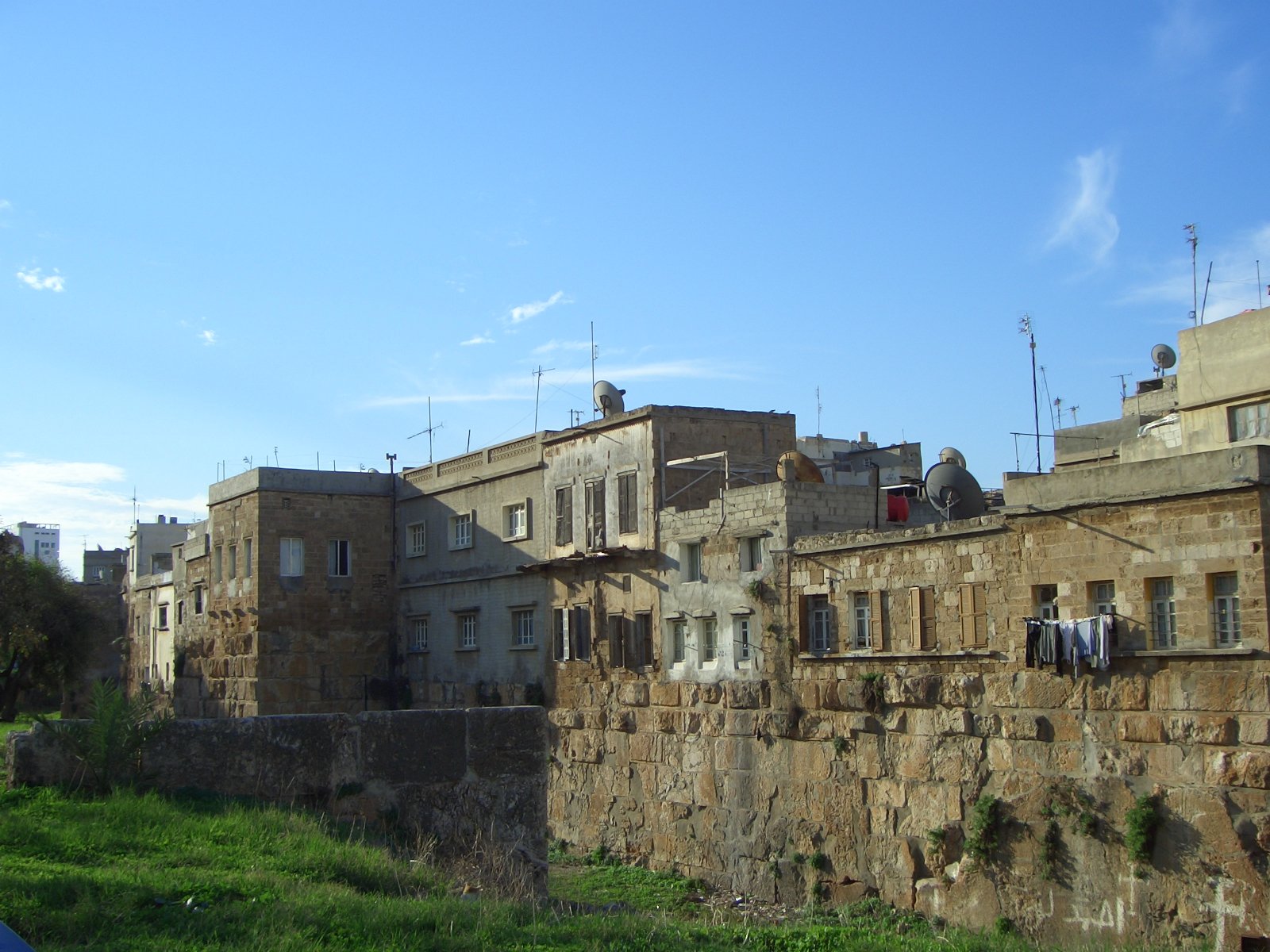
Crusader castle on the Tartus seafront, one of the Templars' last strongholds in the East, still inhabited within its walls.
On the Mediterranean shore of Tartus stand the remains of the castle built by the Crusaders in the 12th century, when the city was Antaradus or Tortosa. It became a base of the Knights Templar and part of a coastal defence system with Arwad island and the Safita tower inland.
Tortosa was one of the last places the Crusaders left in the Levant, in 1291 after the fall of Acre; the Templars then held Arwad for a few more years. Double walls with moats, a massive keep, great halls including a rib-vaulted Knights' Hall and a chapel partly survive.
In 1099 the Crusaders besieged Tartus; it was retaken by Banu Ammar, and Raymond IV of Toulouse reconquered the city and castle in February 1102 after a two-week siege. About 1165 the castle passed to the Knights Templar, whose master Everard des Barres rebuilt it with a chapel. Saladin besieged it in July 1188 but could not take the keep, and Baybars failed in 1267 and 1271. It had two thick semicircular walls separated by a ditch and a keep about 35 metres long among eleven towers.
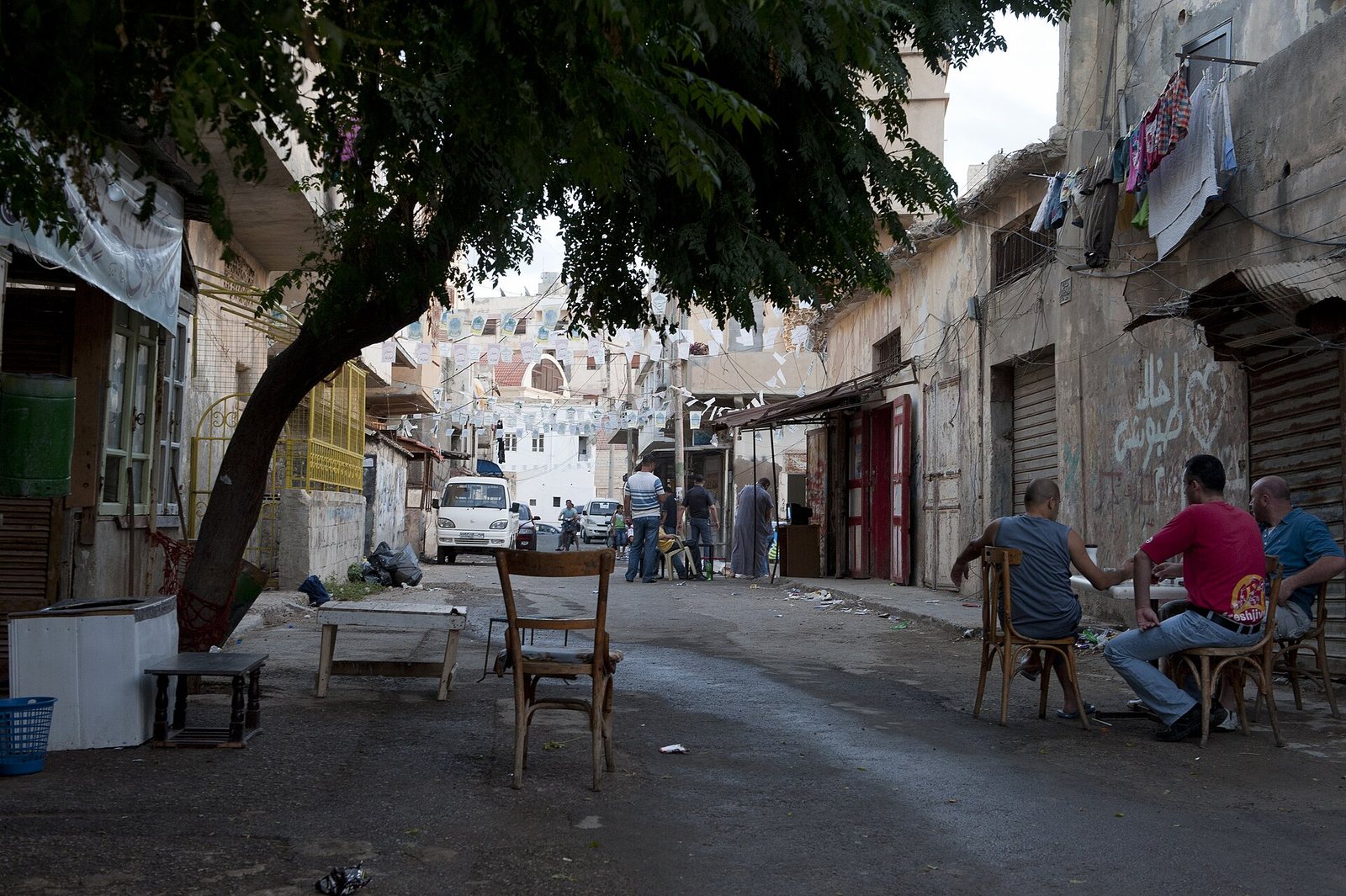
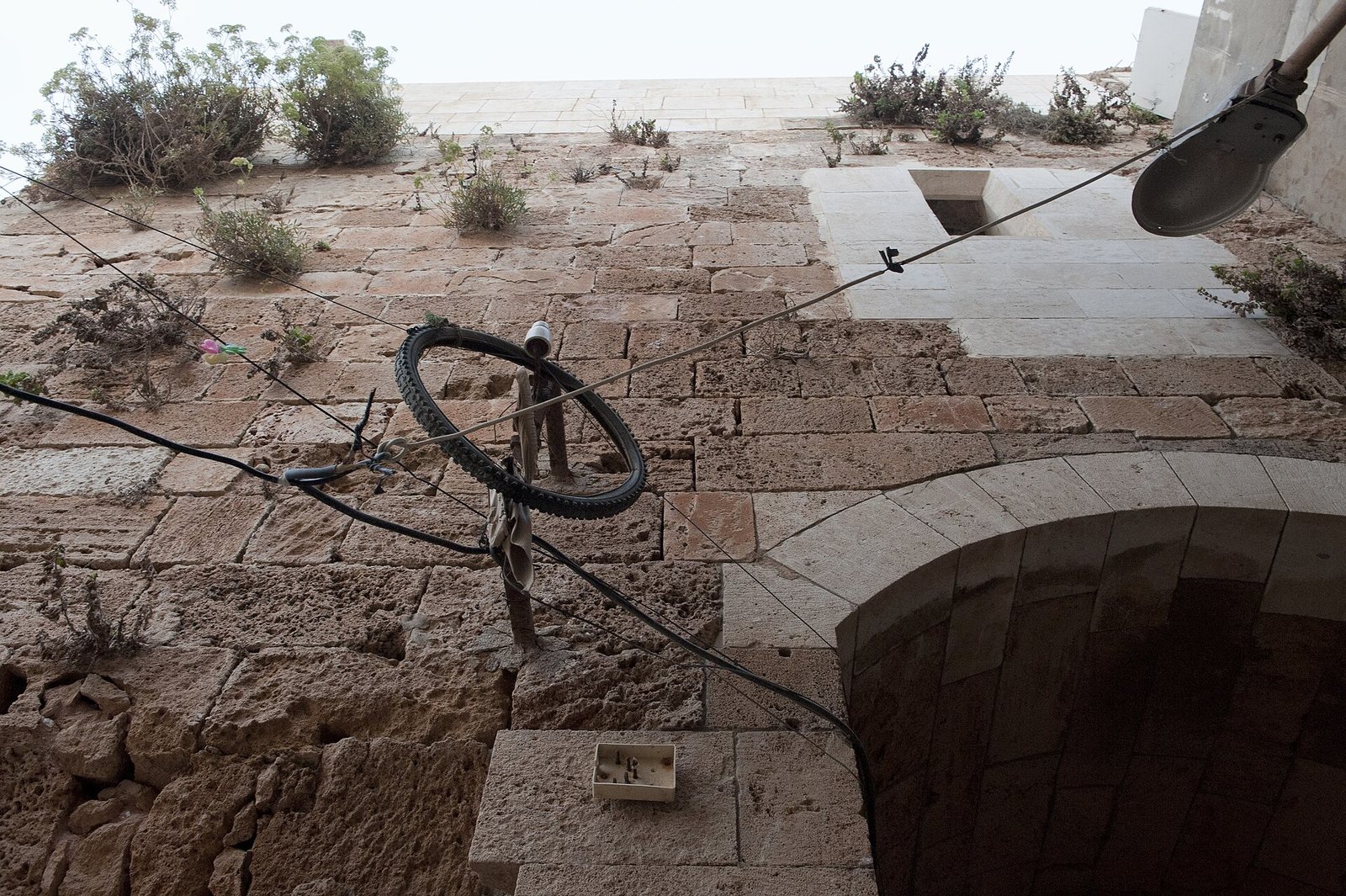
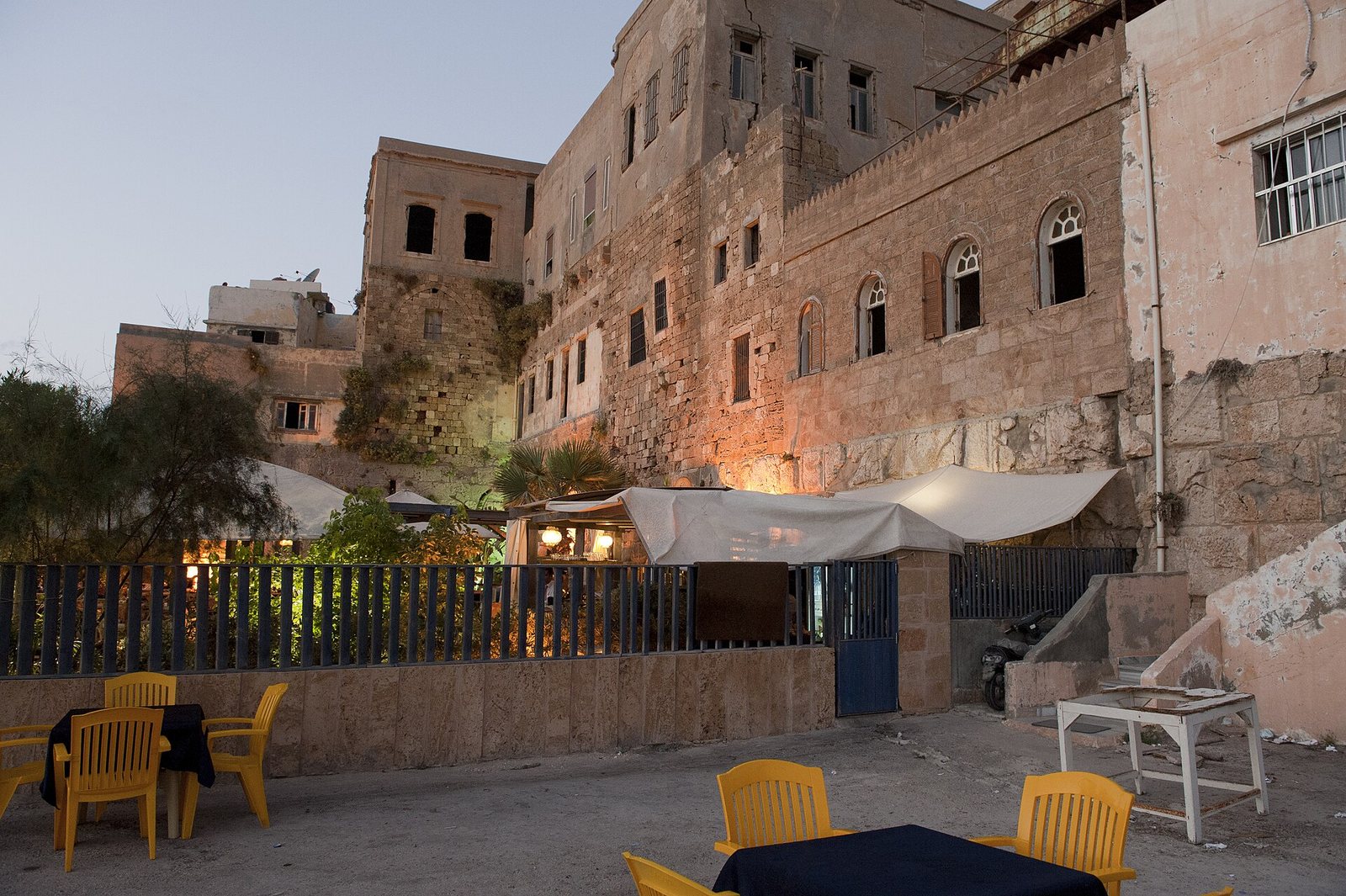
Uniquely, it is a living quarter: families built homes inside the walls and over the old halls, so Gothic arches and huge walls appear between houses, with sea views through old openings. It is on Syria's tentative list with the old city and cathedral.
Note: photos may not reflect the site's current condition.
For the visitor
Location: 34.8935, 35.8765 · Open on the map
Photos
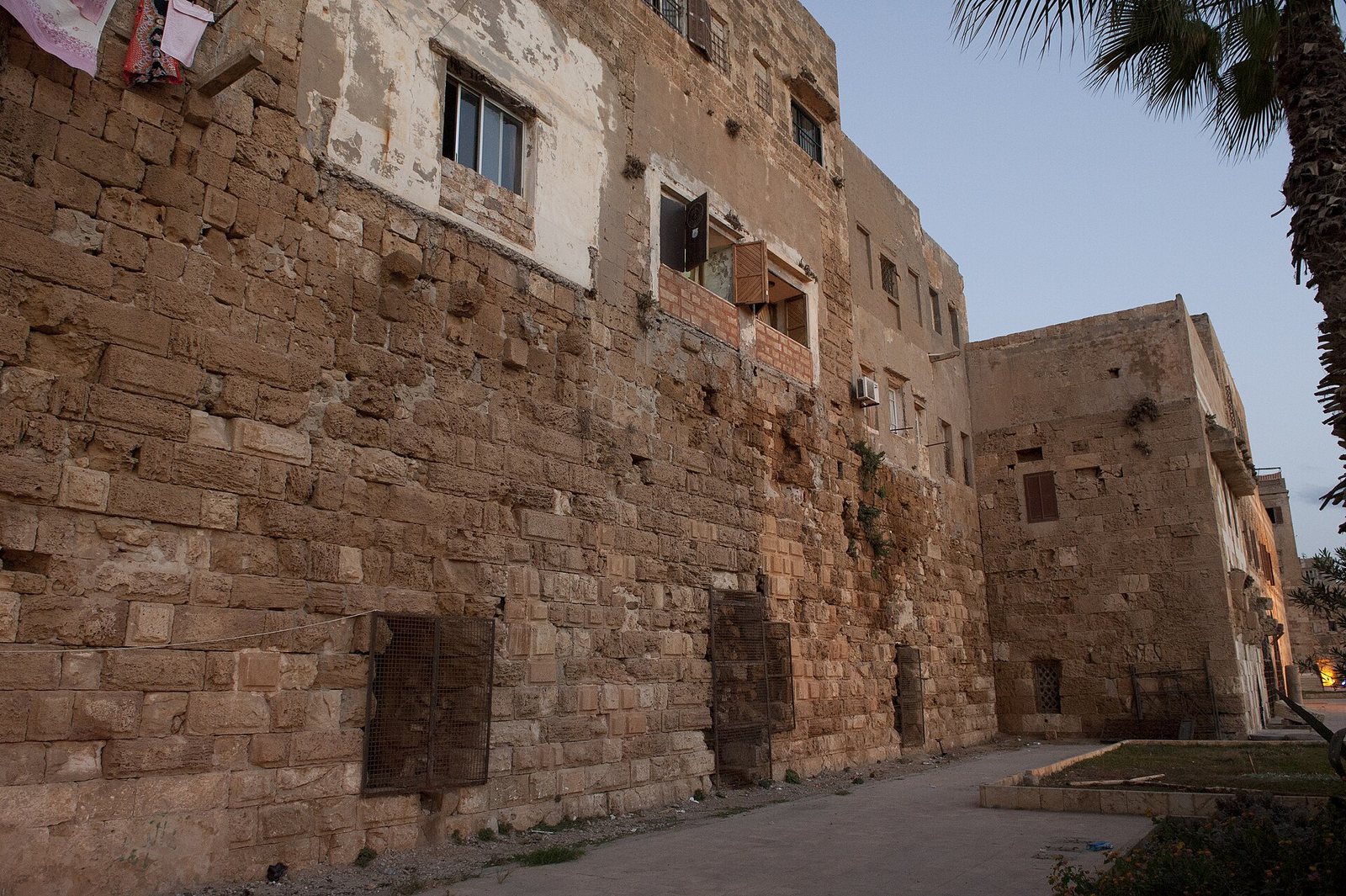
Photos: Oida 666 — via Wikimedia Commons (CC BY-SA) · Dosseman — via Wikimedia Commons (CC BY-SA)
Syria Trails — An interactive geographic and heritage atlas of Syria: a map that walks down from the country to the district, landmarks with their story and era, curated trails and a passport for your visits.