Souq al-Madina, Aleppo
سوق المدينة (حلب)
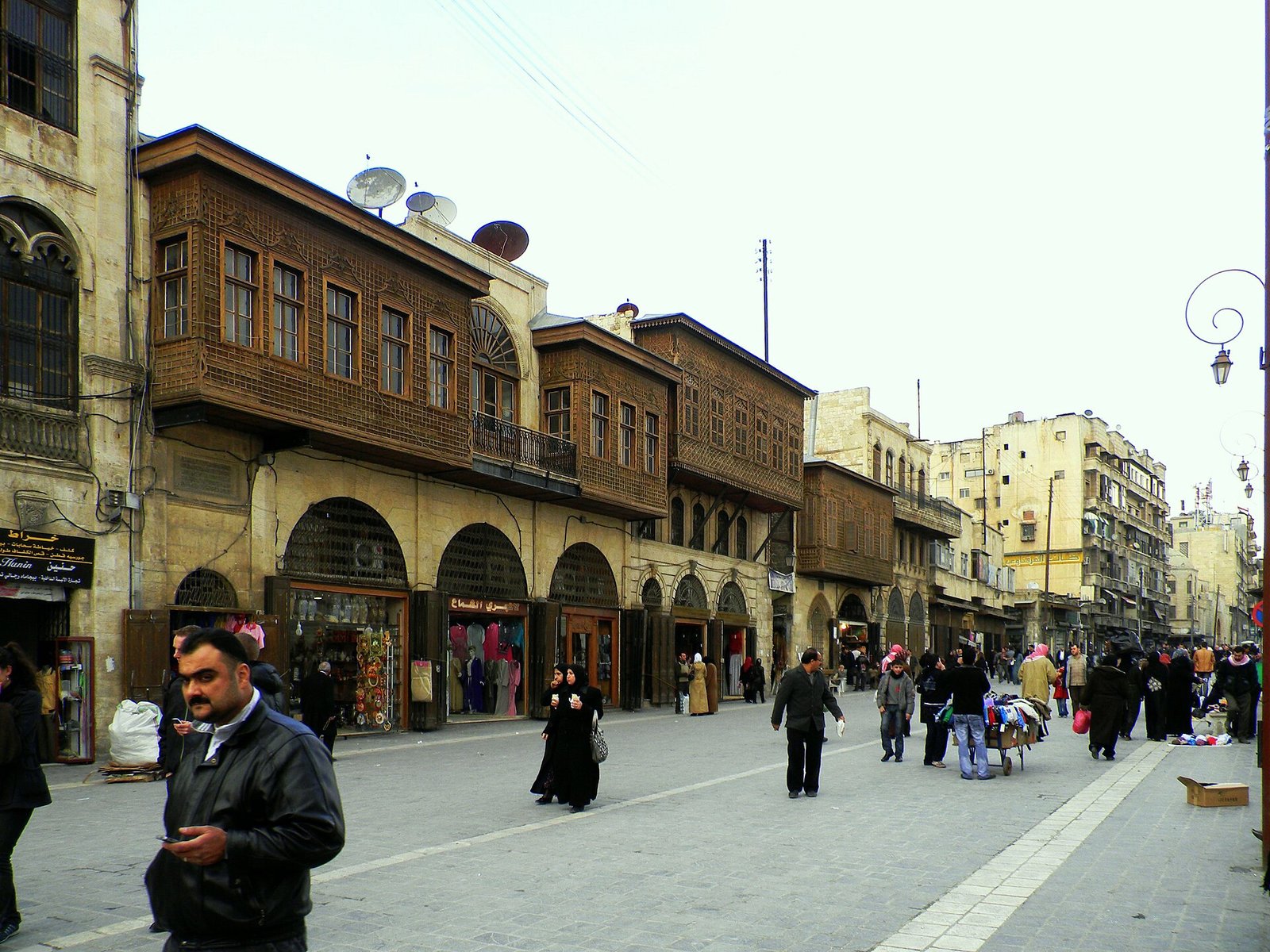
The covered market network at the heart of old Aleppo between Bab Antakya and the Citadel, with Ayyubid, Mamluk and Ottoman khans.
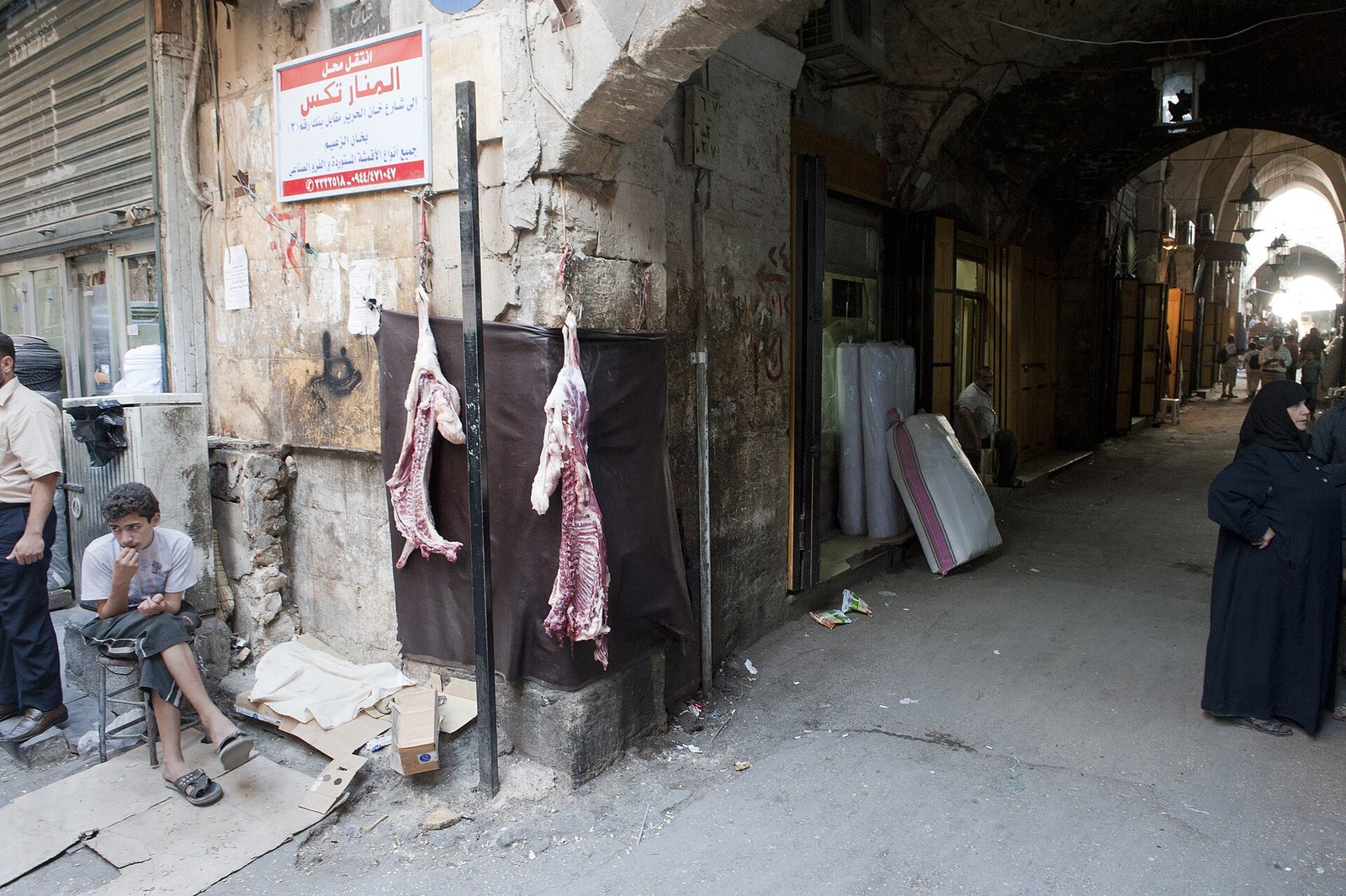
Souq al-Madina is not one market but a whole world of interlinked covered souqs, stretching from around Bab Antakya to the foot of the Citadel and encircling the Great Mosque. It grew over centuries and peaked under the Mamluks and Ottomans, when Aleppo was a hub of East–West trade.
Lanes are organised by trade — spices, textiles, the famous Aleppo soap, gold, copper and leather — under vaulted stone roofs pierced by skylights. Great khans such as Khan al-Gumruk, Khan al-Sabun and Khan al-Wazir housed foreign merchants, consuls and goods.
Most of the souqs date to the 14th century and are named after trades and crafts, such as the wool and copper souqs. Khans were scattered among them to house merchants and their goods, among the oldest being Khan al-Qadi (around 1450), Khan al-Burghul (1472), which hosted the British consulate until the early 20th century, Khan al-Saboun (early 16th century), Khan al-Nahhaseen (1539), Khan al-Shouneh (1546), Khan al-Jumruk (1574), the largest khan of old Aleppo, and Khan al-Wazir (1682). The khans are known for beautiful façades and fortified wooden doors.
One of the longest traditional covered markets in the world, it burned extensively in 2012. Part of the Ancient City of Aleppo World Heritage property.
Note: photos may not reflect the site's current condition.
For the visitor
Location: 36.2000, 37.1500 · Open on the map
Photos
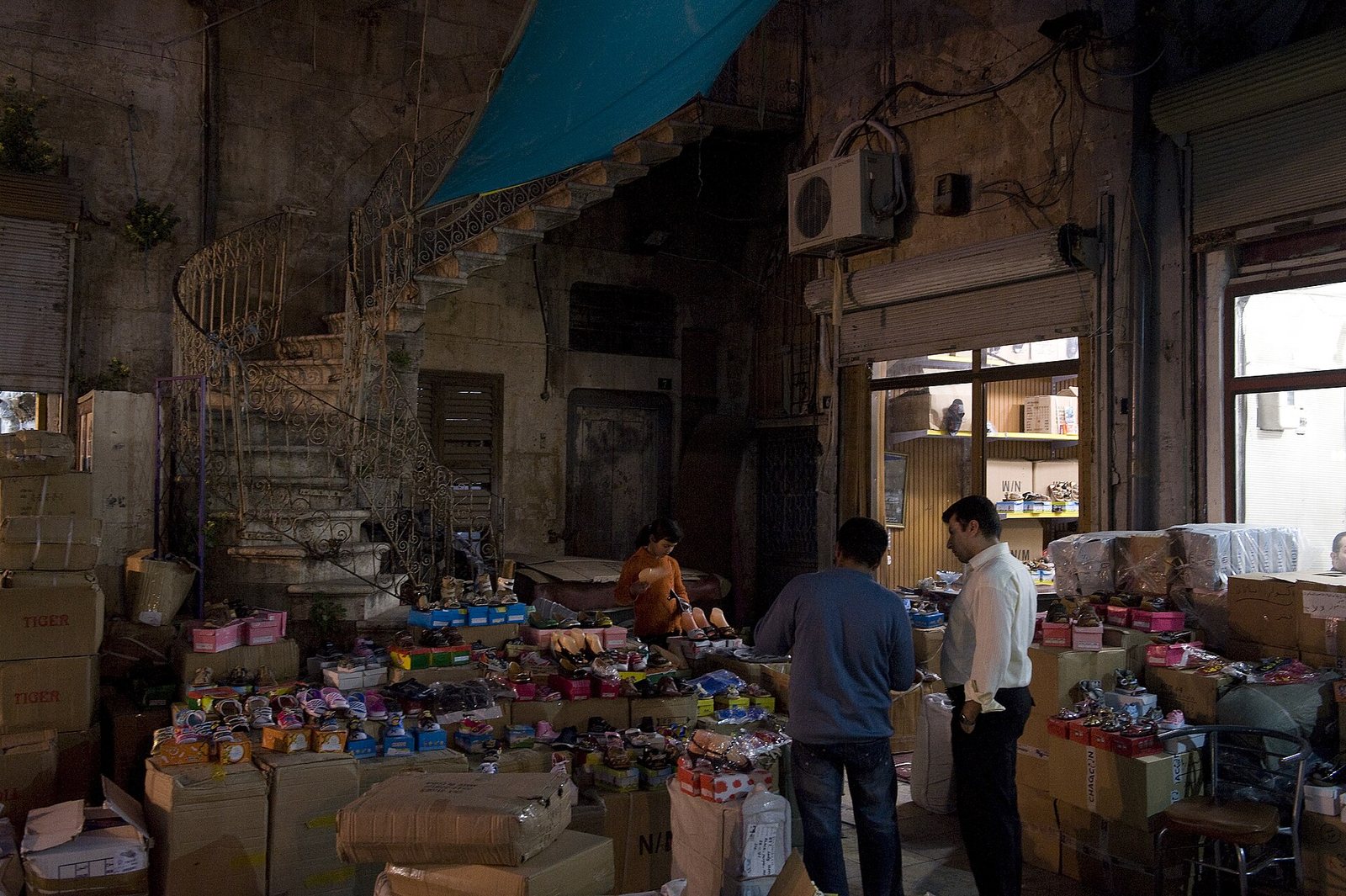
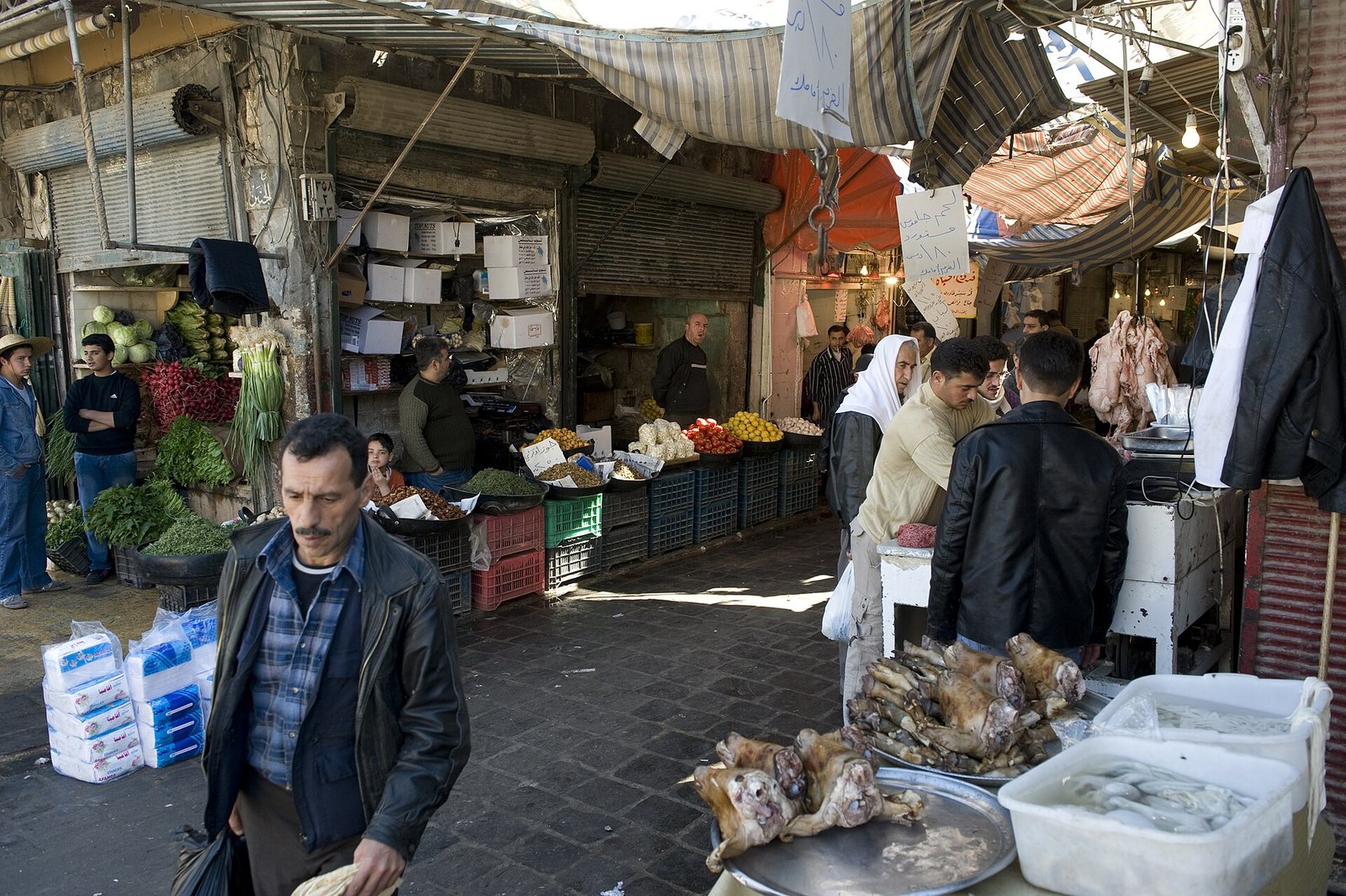
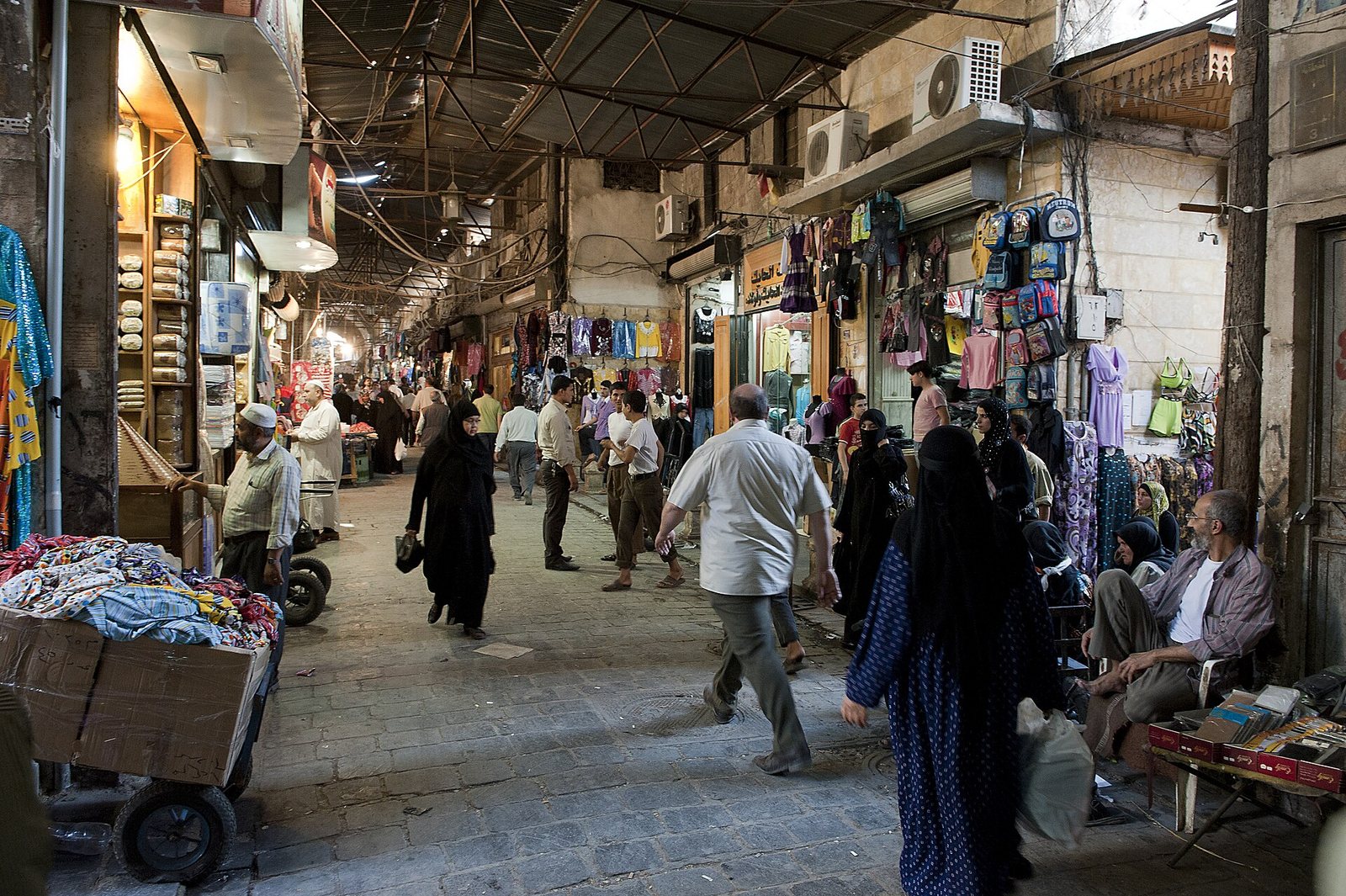
Photos: Preacher lad — via Wikimedia Commons (CC BY-SA) · Dosseman — via Wikimedia Commons (CC BY-SA)
Syria Trails — An interactive geographic and heritage atlas of Syria: a map that walks down from the country to the district, landmarks with their story and era, curated trails and a passport for your visits.