Shahba
شهبا
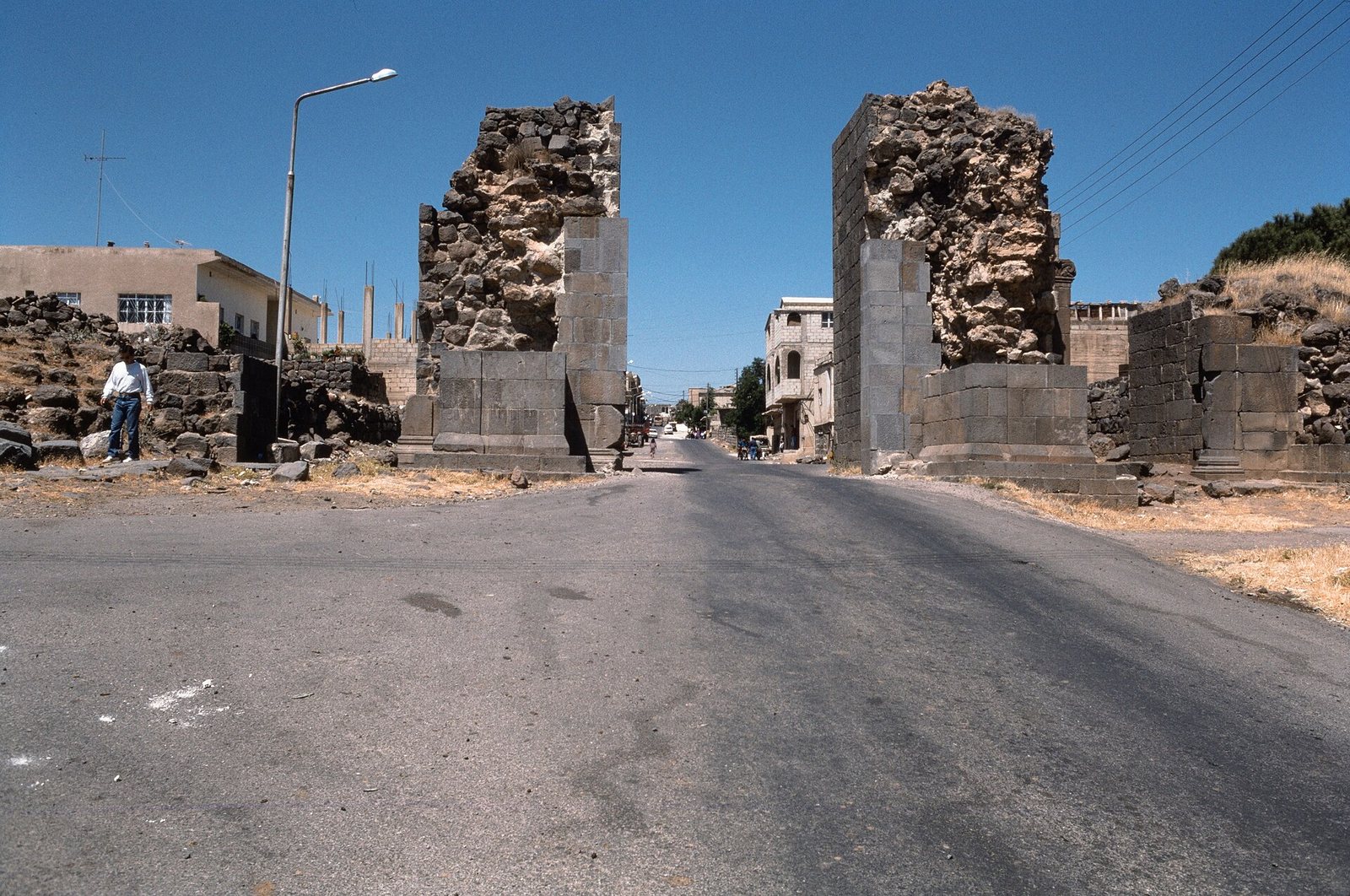
A Roman city known as Philippopolis, founded by Emperor Philip the Arab in his home village after he took power in 244 CE, with well-preserved Roman civic architecture disproportionate to its modest size.
Shahba is a Roman archaeological city in As-Suwayda Governorate, known in antiquity as Philippopolis. Its name honors the Roman emperor Philip the Arab, who was born in the small village that stood on the site before he became emperor in 244 CE.
After taking power, Philip transformed his home village into a full Roman colonia bearing his name, equipping it during a major mid-3rd-century building campaign with the facilities of a major Roman city, far beyond what its actual population needed: city walls and gates, a theatre, public baths, temples, and markets — most notably a building known as the Philippeion, likely a temple or memorial structure linked to Philip's family, though its exact original function remains unsettled.
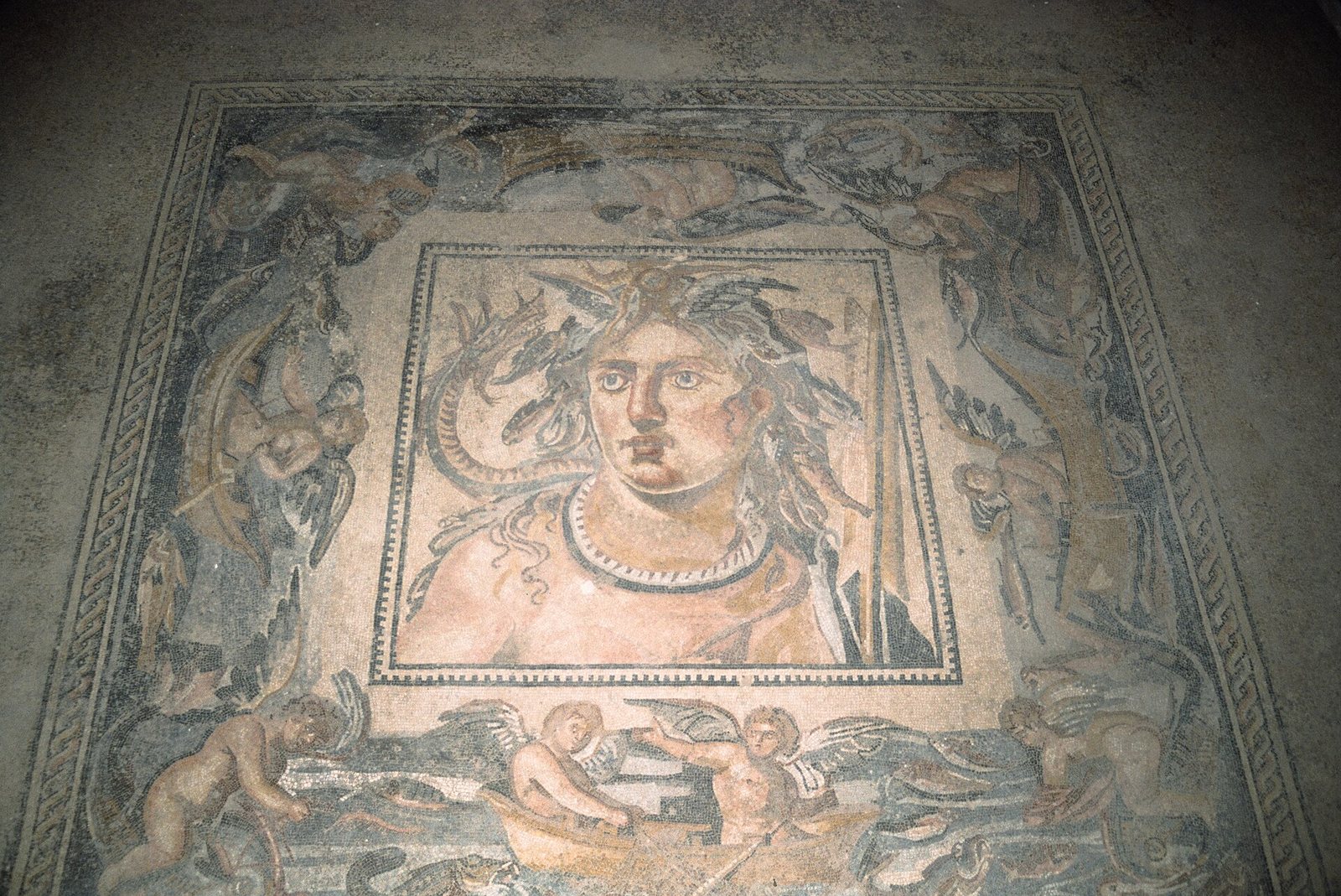
Shahba is also known for rich Roman mosaics uncovered in some of its houses, displayed in a small museum on the site. Philip the Arab was the first Roman emperor traditionally said to have come from the Roman province of Arabia, and he is known for presiding over Rome's millennial celebrations in 248 CE.
Shahba lies about 87 km south of Damascus in the Jabal al-Druze and was part of the Roman province of Arabia; in late antiquity it was the seat of a bishopric and remains a Latin titular see. The settlement it replaced was so insignificant that the city can be considered built on virgin soil, the last of the Roman cities founded in the East. Philip is said to have wanted to turn his native town into a replica of Rome itself, and its buildings were laid out on the grid plan of a typical Roman city: a hexagonal temple and an open-air place of worship of local style called a kalybe, a triumphal arch, baths, a starkly unornamented theatre faced with basalt blocks, a large structure interpreted as a basilica, and the Philippeion surrounded by a great wall with ceremonial gates.
The city's importance declined quickly after Philip's assassination in 249 CE ended the imperial patronage behind its construction, leaving it with relatively well-preserved Roman civic architecture disproportionate to its modest actual population.
Through the ages
Roman: The full Roman city was built under Emperor Philip the Arab during the mid-3rd century CE
For the visitor
Location: 32.8542, 36.6292 · Open on the map
Photos
Photos: Frank Kidner — via Wikimedia Commons (CC BY-SA)
Syria Trails — An interactive geographic and heritage atlas of Syria: a map that walks down from the country to the district, landmarks with their story and era, curated trails and a passport for your visits.