Saladin Castle
قلعة صلاح الدين
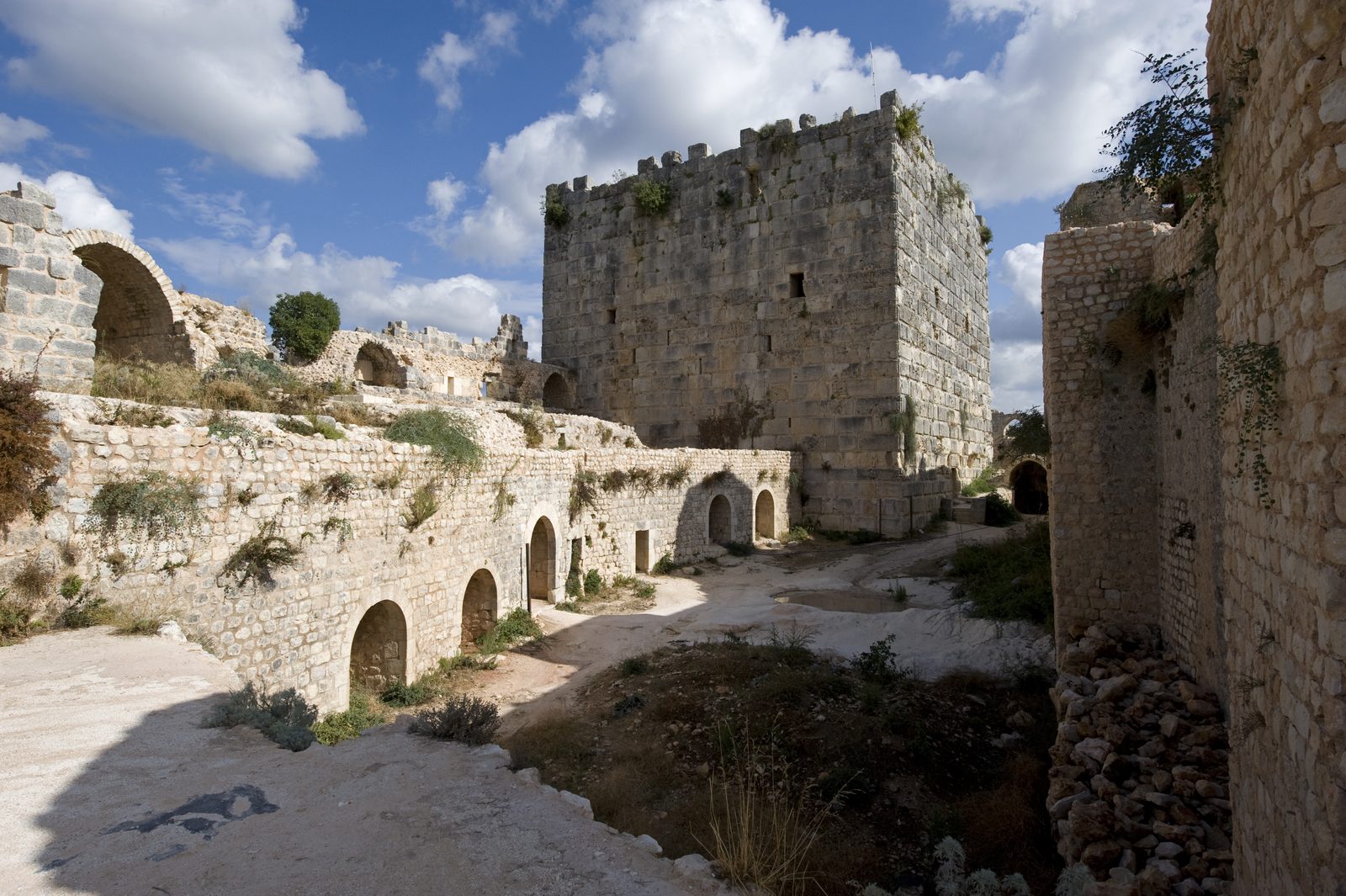
A Byzantine-then-Crusader mountain fortress in the hills above Latakia, retaken by Saladin in 1188 after a three-day siege and later renamed in his honor.
Saladin Castle is a mountaintop fortress in the coastal mountains near Latakia. The site was likely first fortified during the Byzantine period, around the 10th century, under the name Saone, though most of the structure standing today dates from a major Crusader expansion after the First Crusade.
Once the Franks controlled the area, the castle became the seat of the Lordship of Saone, part of the Principality of Antioch. The Crusaders added one of its most striking features: a massive rock-cut ditch, hand-carved to separate the castle from the adjoining mountain ridge, leaving a needle of rock about 28 meters tall standing in the middle to support a drawbridge.
The castle stands about 30 km east of Latakia and 7 km east of al-Haffah, on a ridge between two deep ravines, surrounded by forest. It had been fortified since at least the mid-10th century, its first known occupant a dependent of the Hamdanid emir Sayf al-Dawla; the Byzantine emperor John I Tzimiskes took it in 975 and held it until about 1108, when the Franks took it. The first lord of Saone was probably Robert the Leper (recorded from 1119), and it stayed in his family until 1188; he or his son William of Zardana most likely built the Crusader castle around the Byzantine fortifications. It was one of the few not entrusted to the Hospitallers or Templars. On 27 July 1188 Saladin and his son az-Zahir Ghazi arrived with an army and laid siege. It was besieged again in 1287, defenders and attackers both Mamluks.
Saladin retook the castle from the Crusaders in 1188 after a siege of only three days, and it was later renamed in his honor — officially as Qalaat Salah al-Din since 1957, having previously been known as Saone. The castle remained in Muslim hands afterward but gradually lost its military importance and was largely abandoned by the Ottoman period.
The castle was inscribed as a UNESCO World Heritage Site in 2006, jointly with Krak des Chevaliers, in recognition of the outstanding Crusader military architecture at both sites.
Through the ages
Byzantine: The site was likely first fortified during the Byzantine period, in the 10th century, under the name Saone
Crusader: The castle underwent major Crusader expansion after the First Crusade, including its famous rock-cut ditch
Ayyubid: Saladin retook it in 1188 CE, and it was later renamed in his honor
For the visitor
Location: 35.5958, 36.0572 · Open on the map
Photos
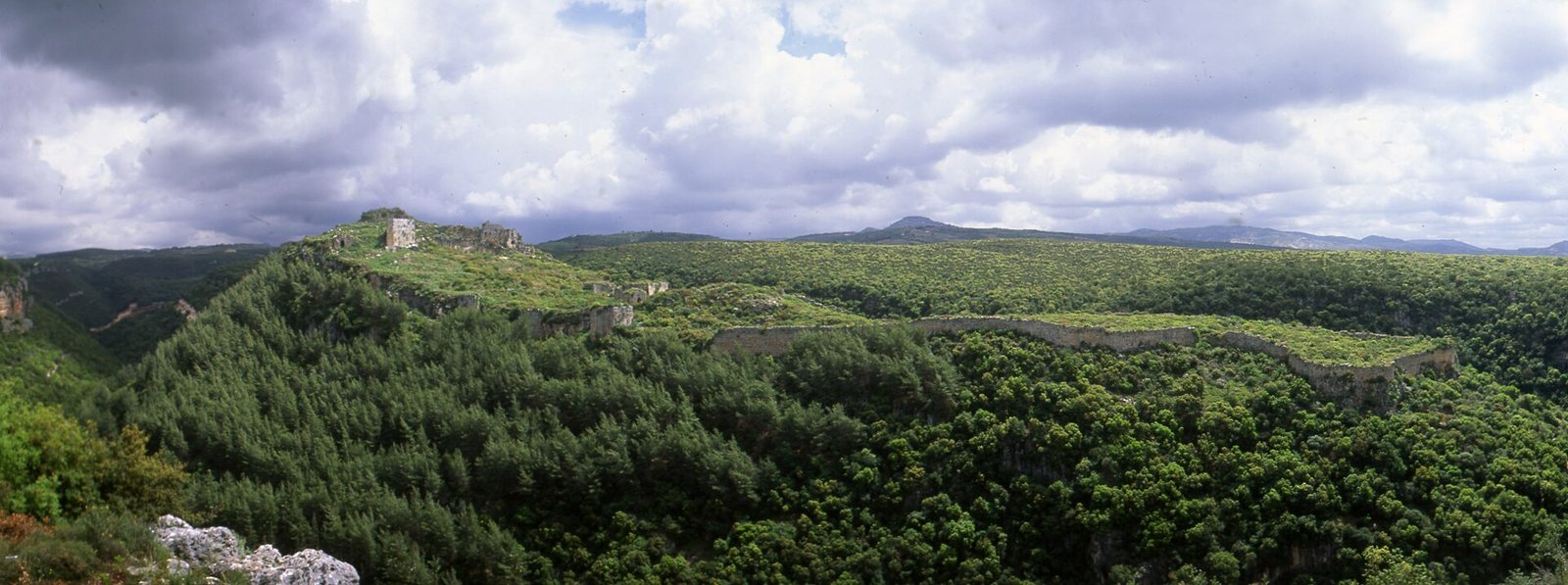
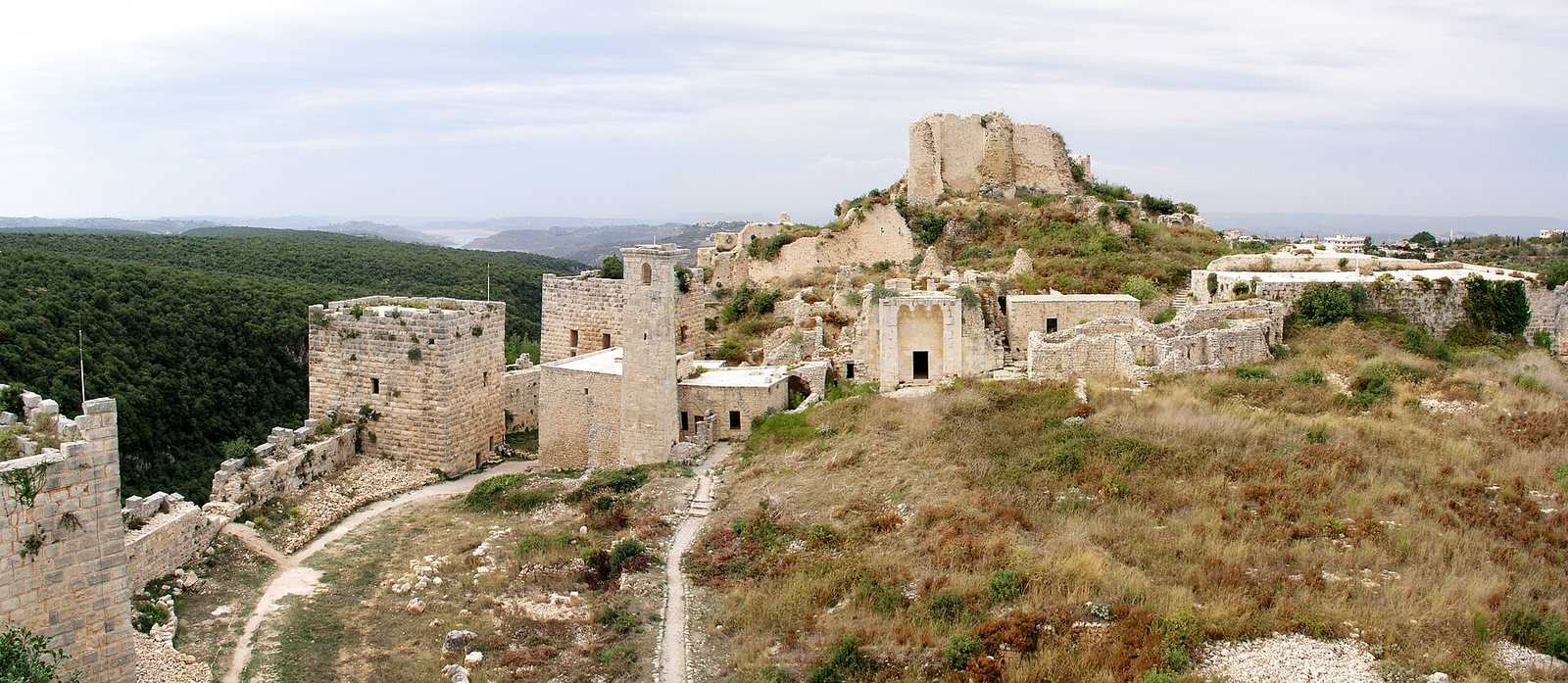
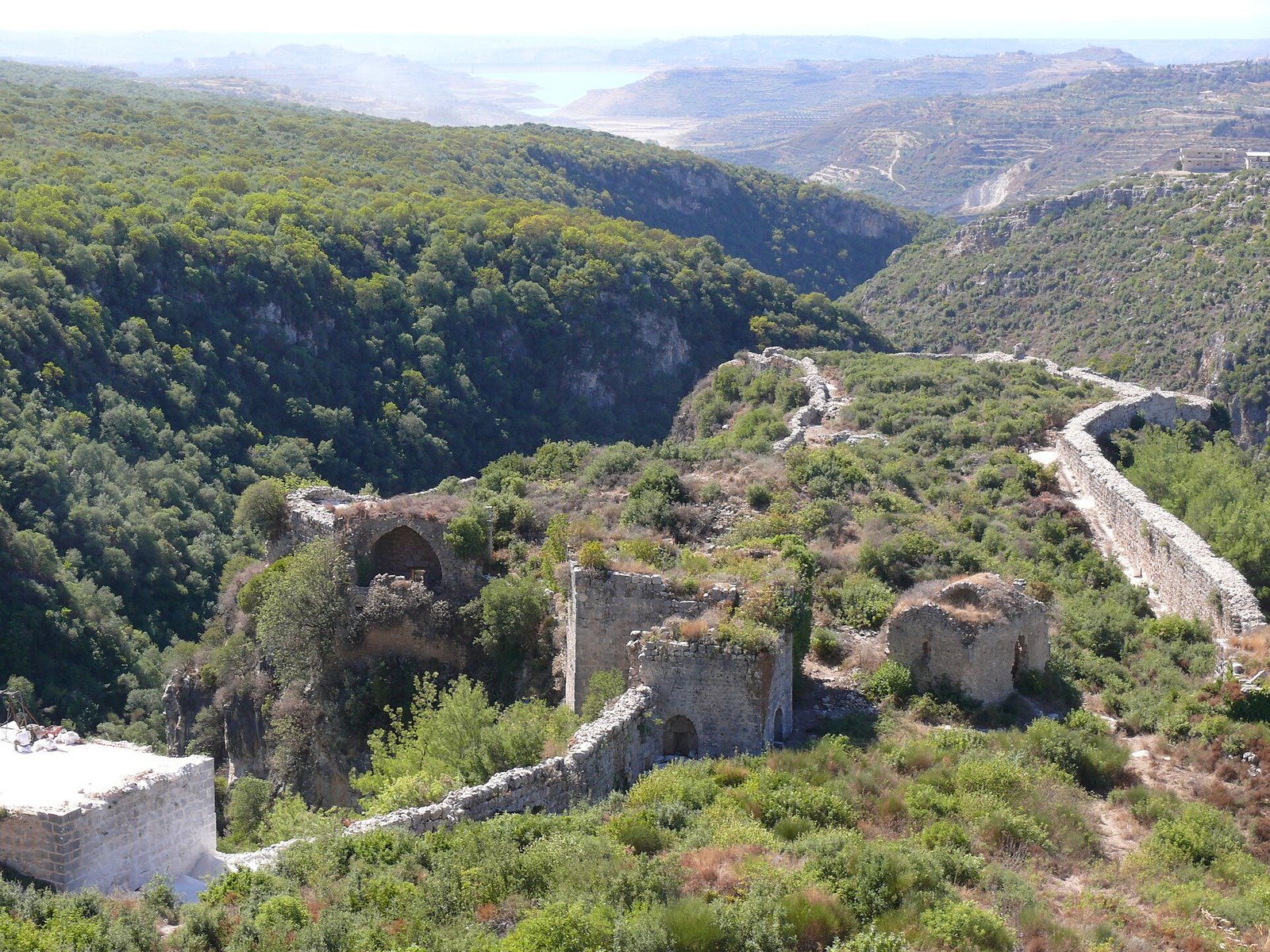
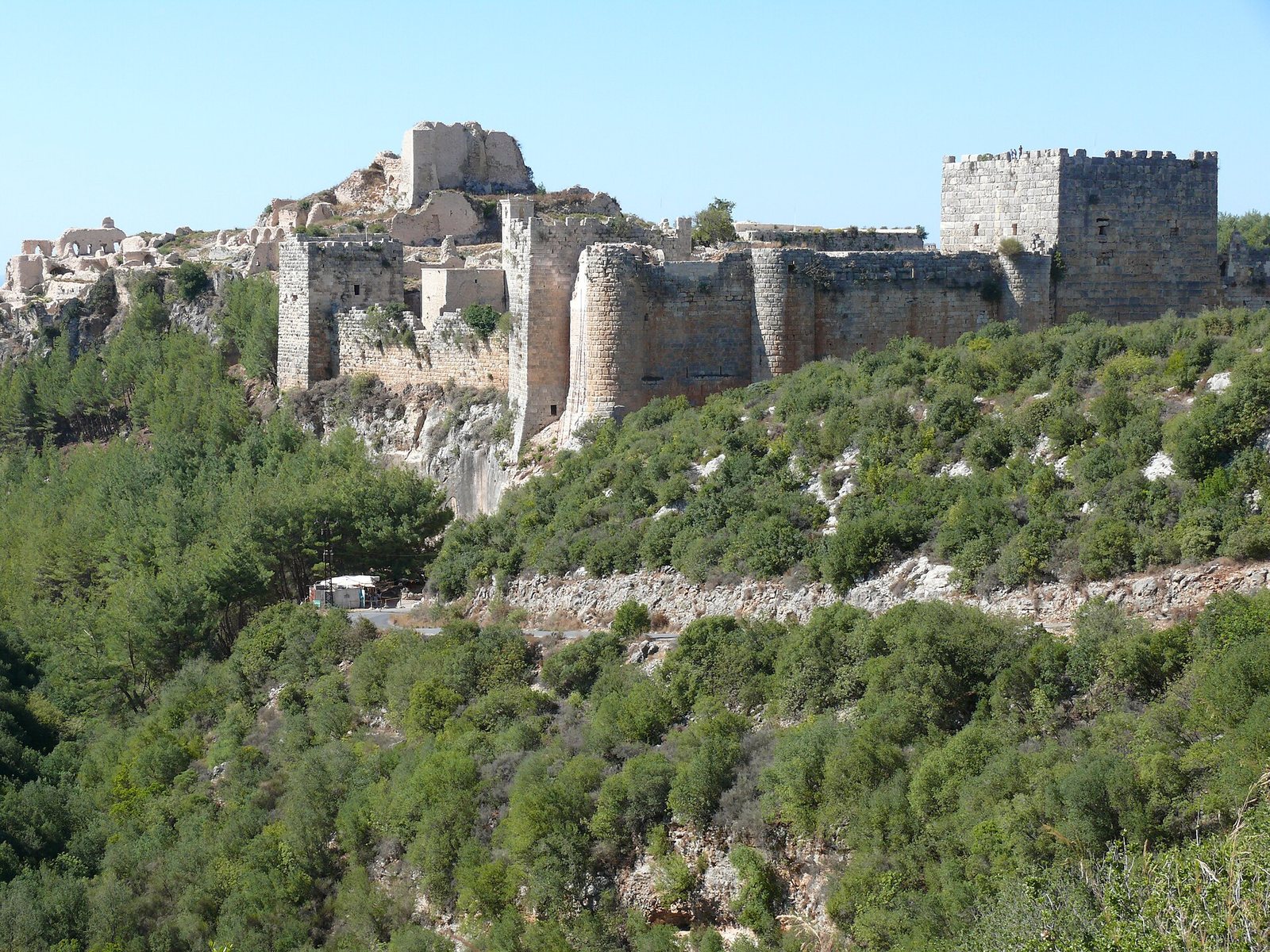
Photos: Dosseman — via Wikimedia Commons (CC BY-SA) · LBM1948 — via Wikimedia Commons (CC BY-SA) · JYB Devot — via Wikimedia Commons (CC BY-SA) · Nassr Fleehan — via Wikimedia Commons (CC BY-SA)
Syria Trails — An interactive geographic and heritage atlas of Syria: a map that walks down from the country to the district, landmarks with their story and era, curated trails and a passport for your visits.