Safita Tower (Chastel Blanc) and St Michael Church
برج صافيتا وكنيسة مار ميخائيل
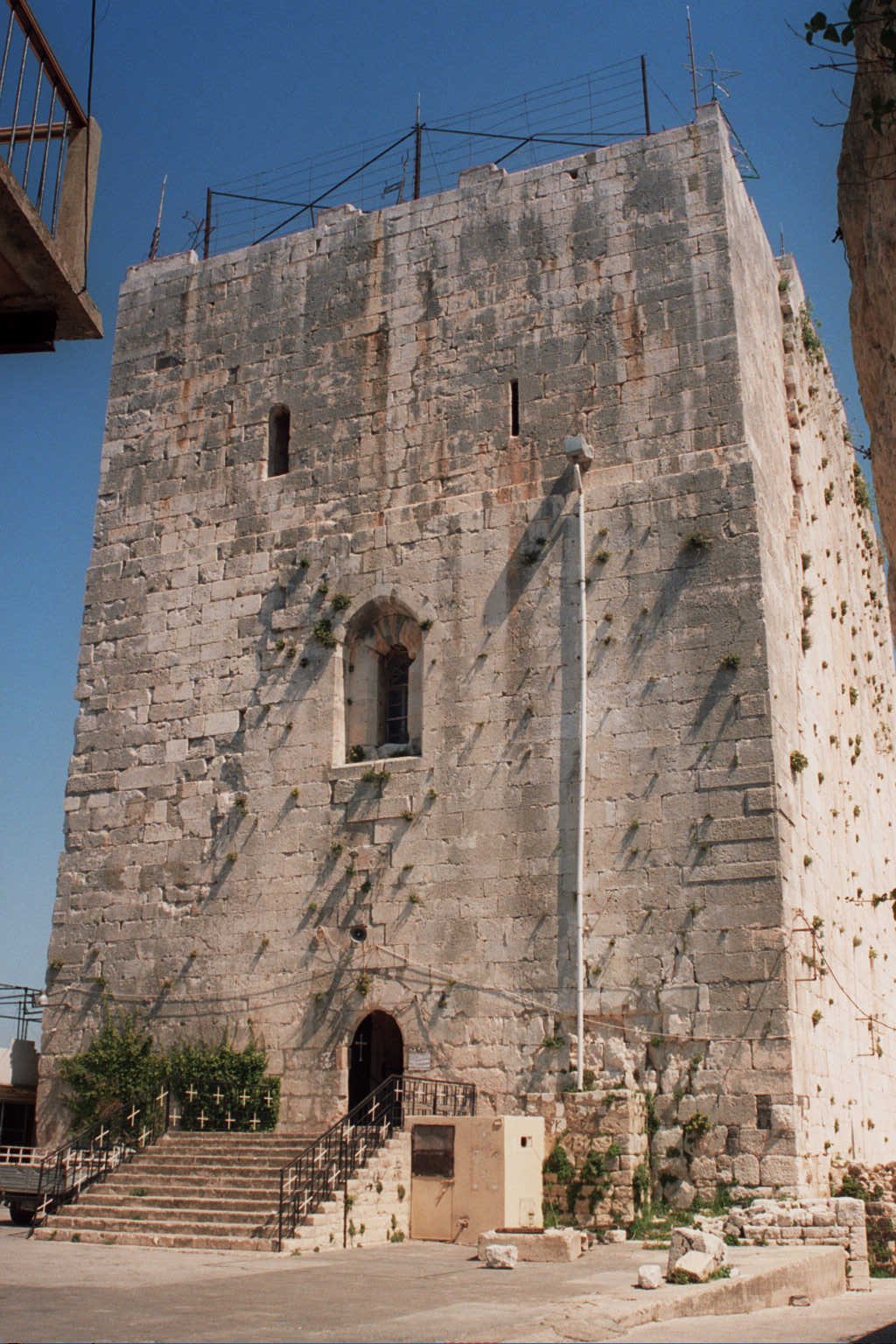
A massive Crusader keep crowning Safita, whose ground floor is the Church of St Michael, still in use for worship.
In the hill town of Safita east of Tartus rises a massive stone keep visible from afar, the Chastel Blanc ("White Castle"), built by the Knights Templar in the 12th century and rebuilt after an earthquake as part of a chain of fortifications linking coast and interior. From its top, signals could reach Tartus and Krak des Chevaliers.
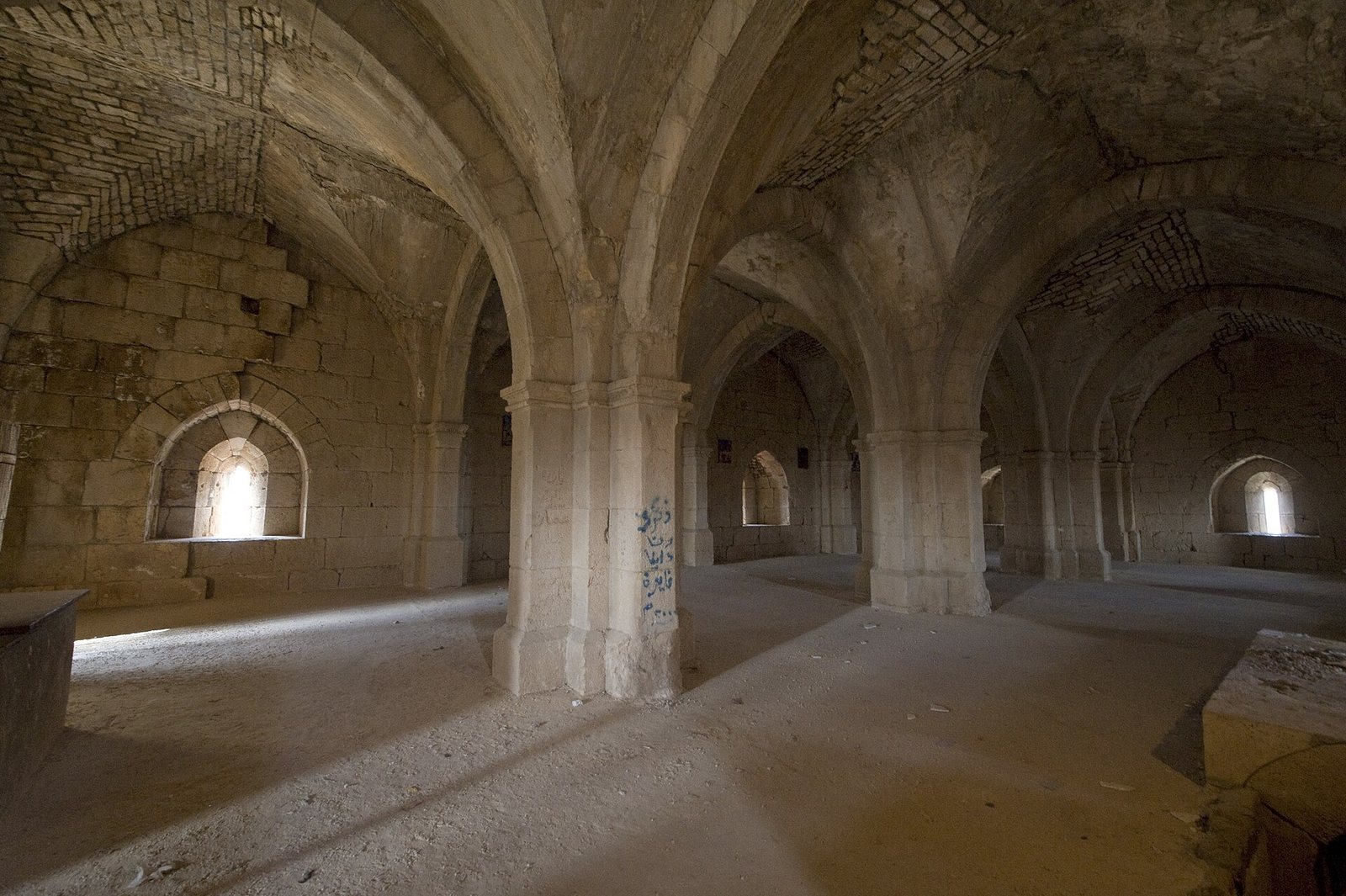
Uniquely, its ground floor is a vaulted church — originally the Templars' chapel, later the Greek Orthodox Church of St Michael — a rare continuity in the use of a Crusader building. Above is a great hall for the garrison, with a stair inside the wall up to the roof.
Safita is first mentioned in an Arab chronicle in 1112; the Templars built a keep after 1117 and held the tower by 1152. Nur ad-Din attacked it in 1167 and the Templars retook it the same year; it was rebuilt after the 1170 earthquake, after Saladin's invasion in 1188 and after the 1202 earthquake, and was taken by Baybars in 1271. Its walls are three metres thick, of massive carefully fitted limestone blocks, and a cistern is cut into the rock below.
The Mamluk sultan Baybars took Safita in the 13th century. The rooftop view over green coastal mountains to the sea, especially at sunset, is among the finest in Syria.
Note: photos may not reflect the site's current condition.
For the visitor
Location: 34.8208, 36.1172 · Open on the map
Photos
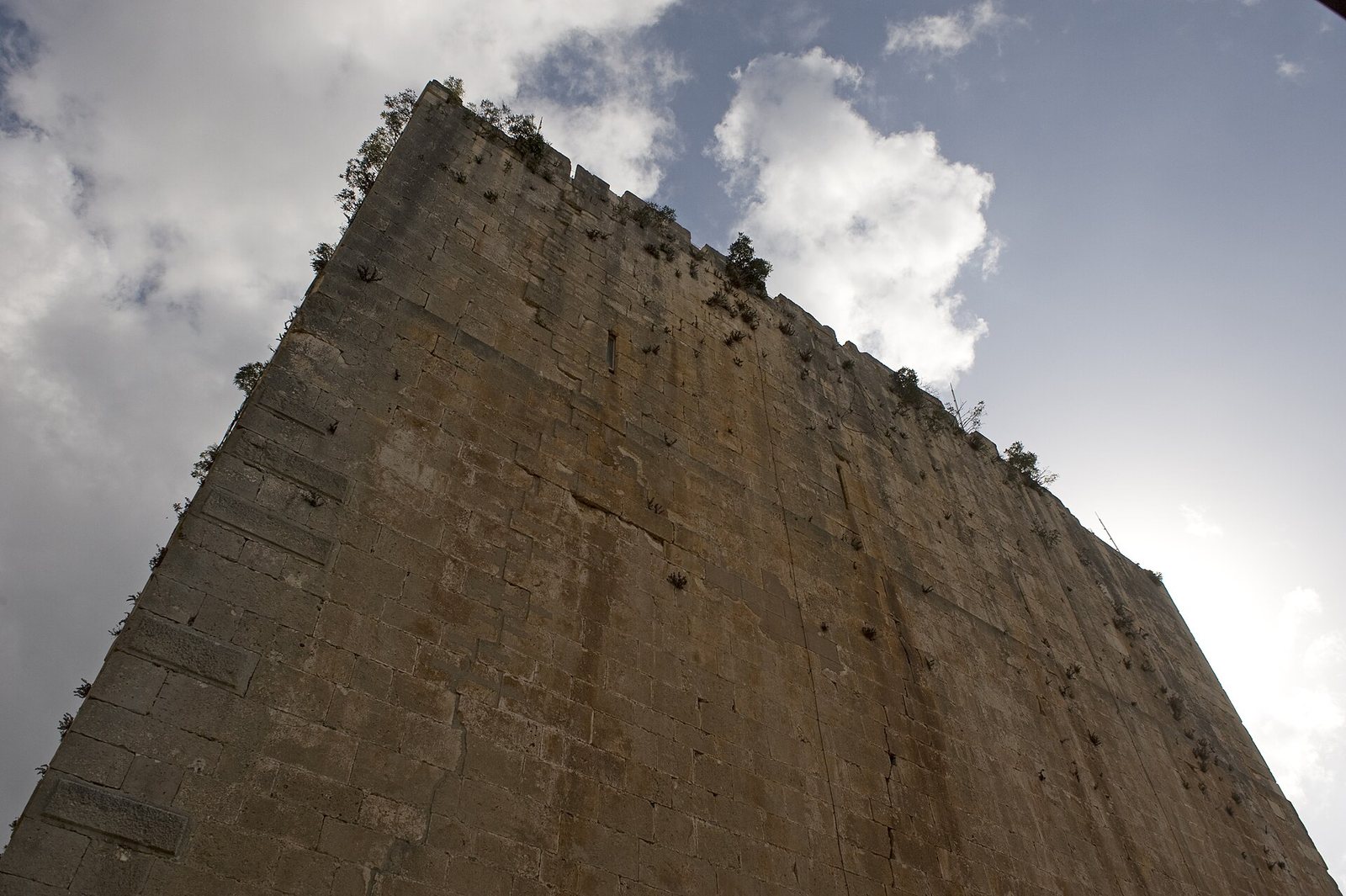
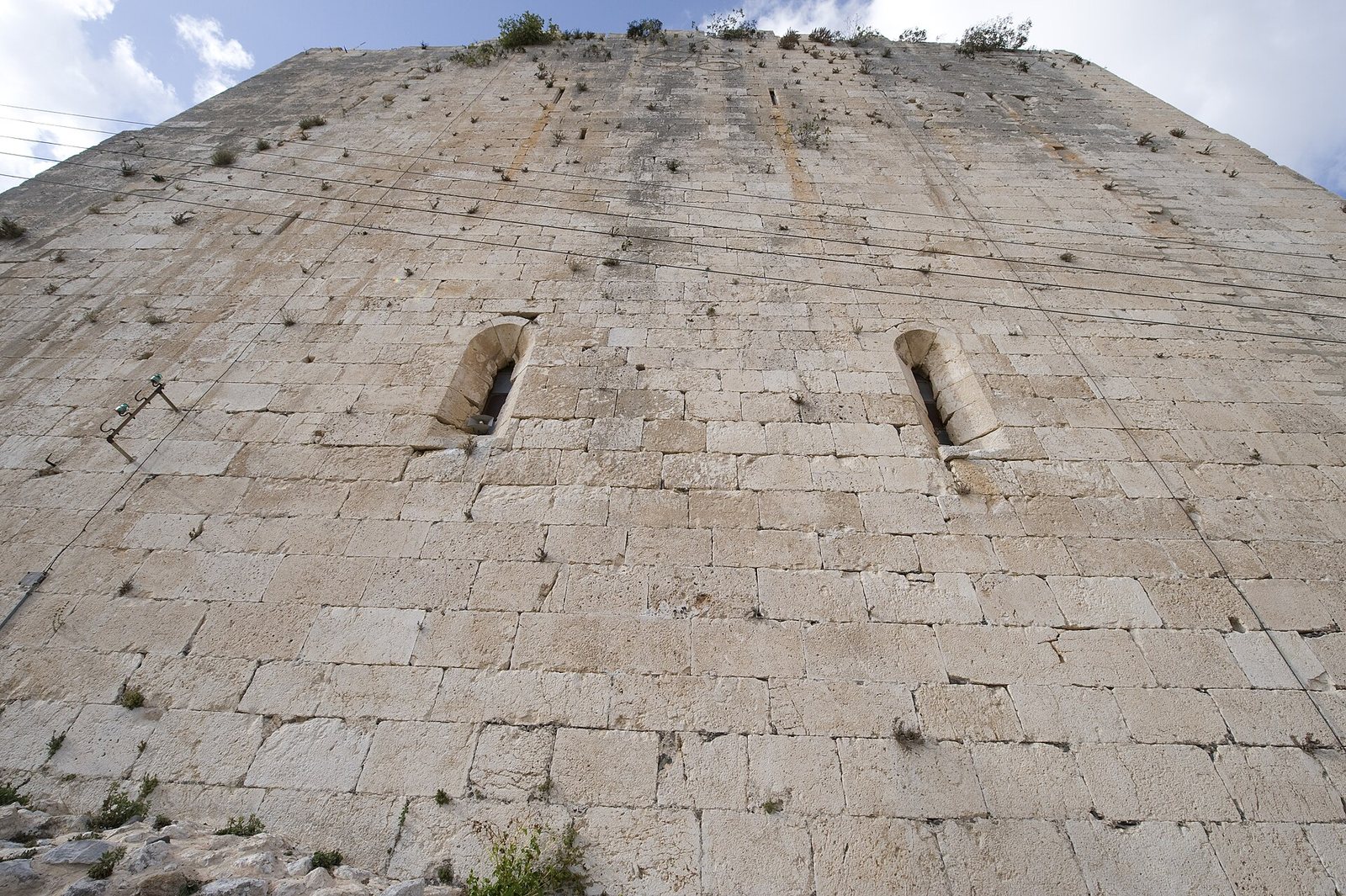
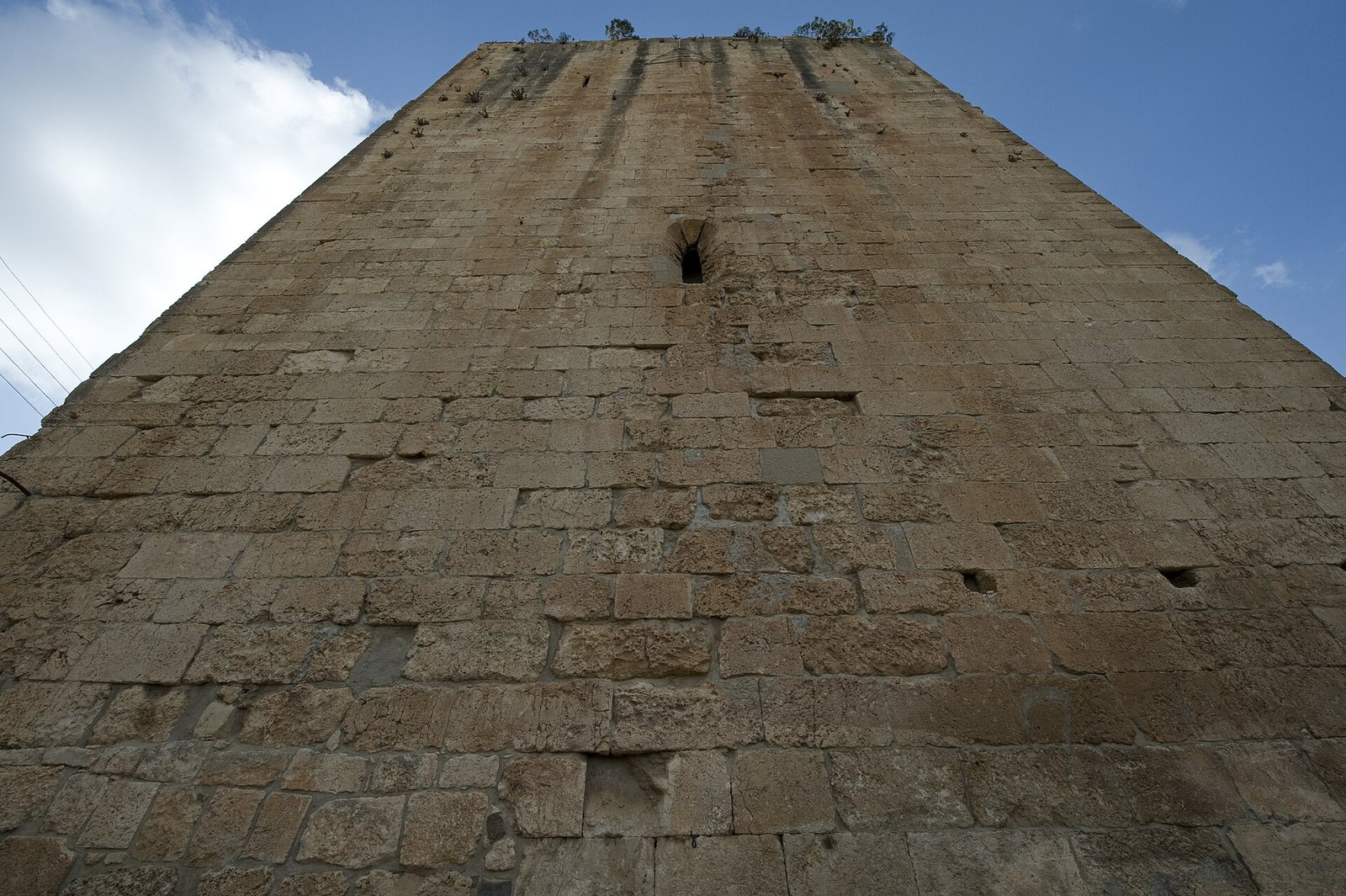
Photos: Loris Fecit — via Wikimedia Commons (CC BY-SA) · Dosseman — via Wikimedia Commons (CC BY-SA)
Syria Trails — An interactive geographic and heritage atlas of Syria: a map that walks down from the country to the district, landmarks with their story and era, curated trails and a passport for your visits.