Rahba Castle
قلعة الرحبة
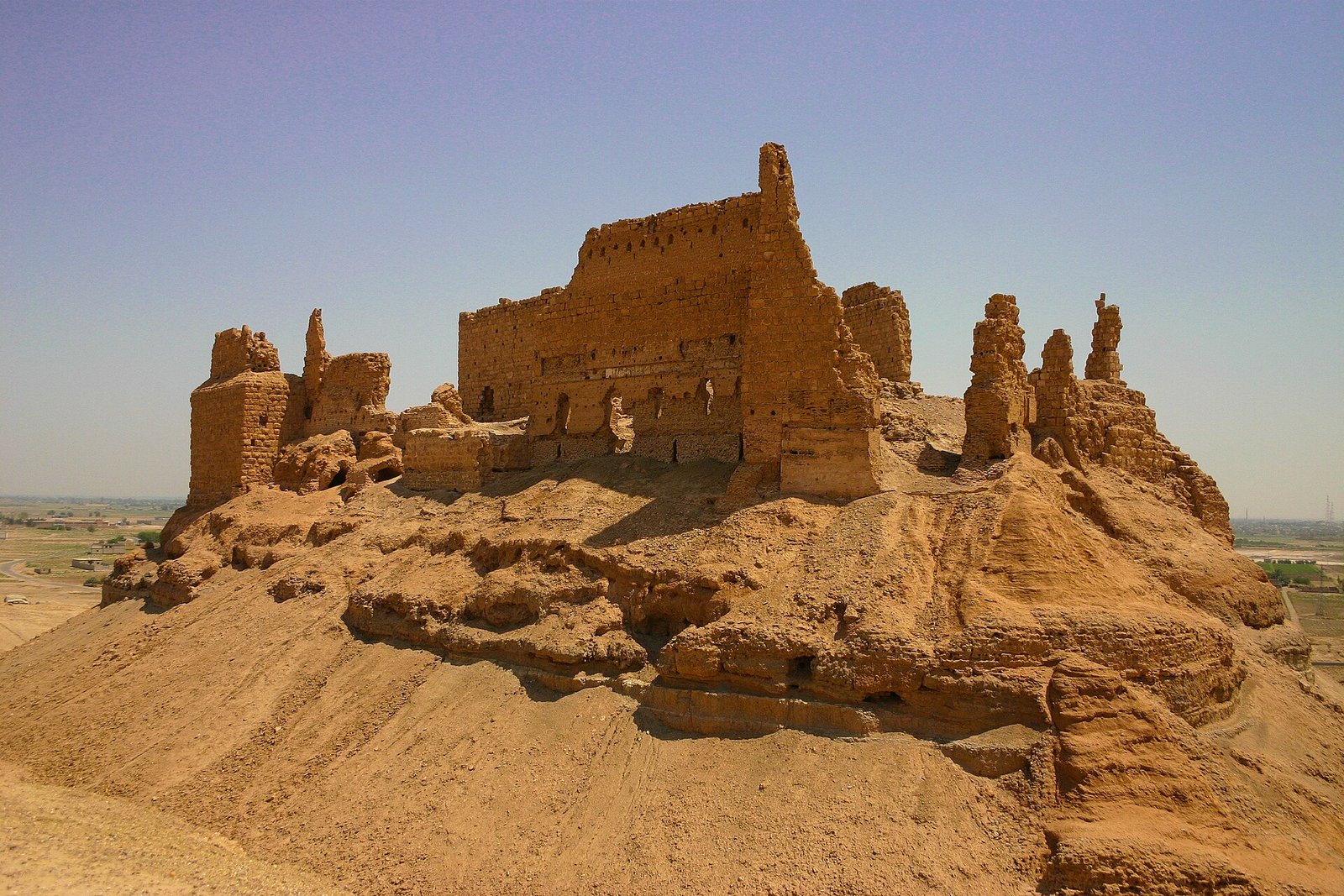
Castle on a hill near al-Mayadin overlooking the Euphrates valley, built in the 12th century and linked to the Abbasid town of al-Rahba.
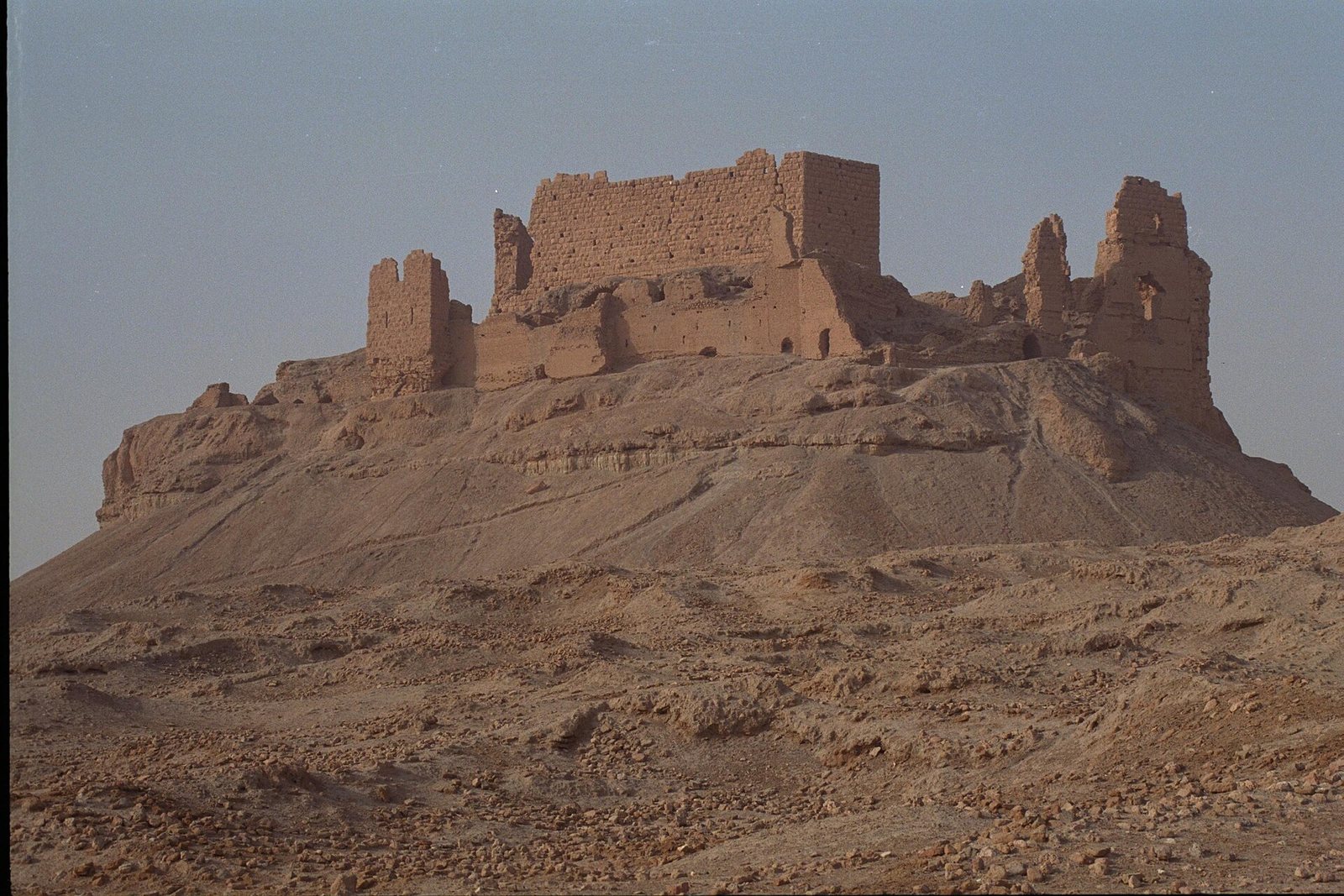
On a high hill southwest of al-Mayadin in Deir ez-Zor stands Rahba Castle, overlooking the Euphrates valley and the steppe. It is linked to the town of al-Rahba, founded in Abbasid times by Malik ibn Tawq and a key stop between Syria and Iraq.
The present castle was built in the 12th century, probably after an earthquake, and strengthened by the Ayyubids and Mamluks as a forward defence against the Mongols. An outer wall, an inner citadel and a rock-cut moat, with towers, halls and stores in stone and brick, give it a distinctive look.
The mound it stands on rises 244 metres, and the castle has been called "a fortress within a fortress": an inner keep of 60 by 30 metres protected by an enclosure of 270 by 95 metres. The original Rahbat Malik ibn Tawk on the riverbank was seen as the key to Syria from Iraq and was fought over by many Muslim powers until an earthquake destroyed it in 1157; the present fortress was then built near the desert edge by Shirkuh, and Shirkuh II rebuilt it in 1207.
Much of it has collapsed over the centuries.
Note: photos may not reflect the site's current condition.
For the visitor
Location: 35.0050, 40.4232 · Open on the map
Photos
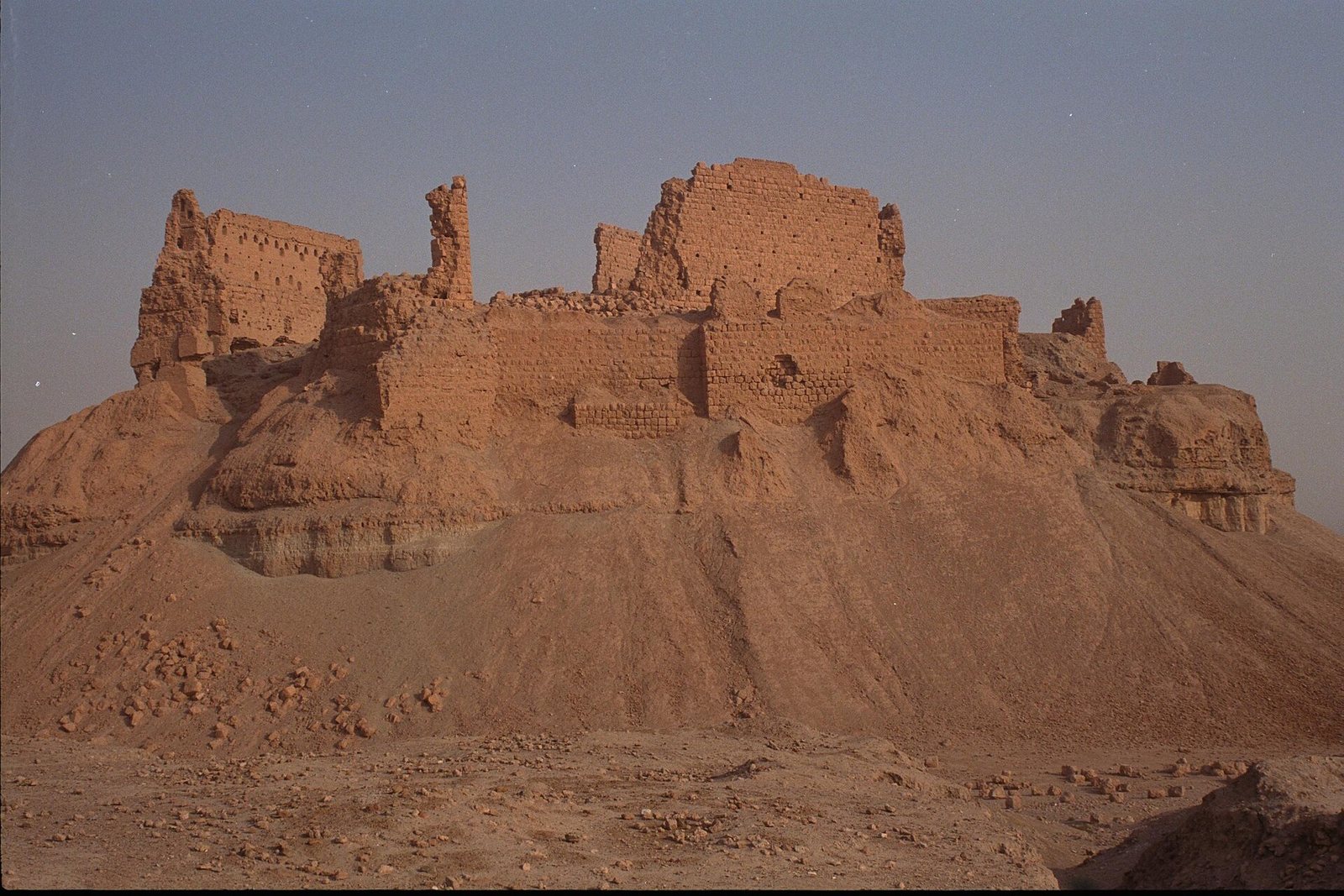
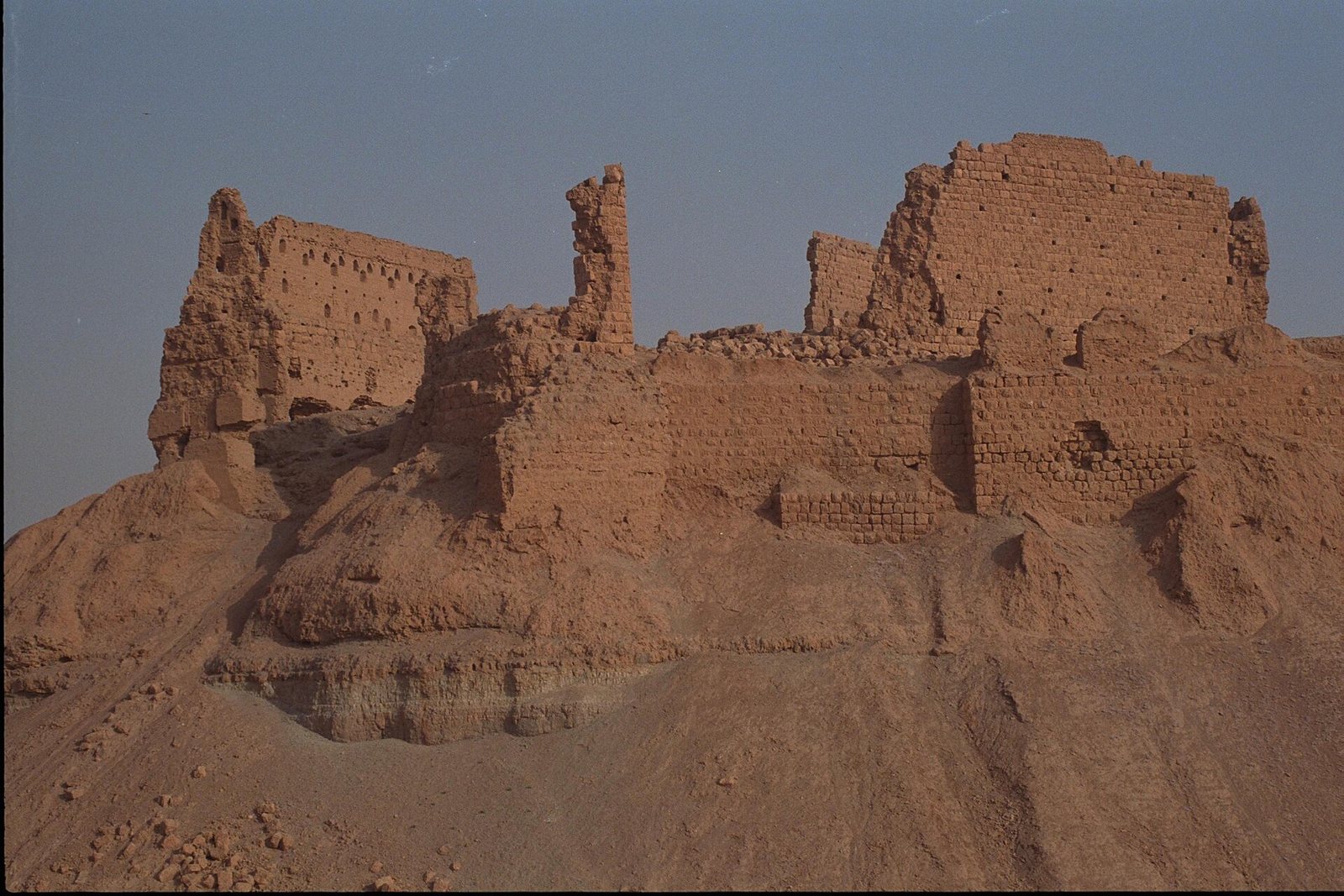
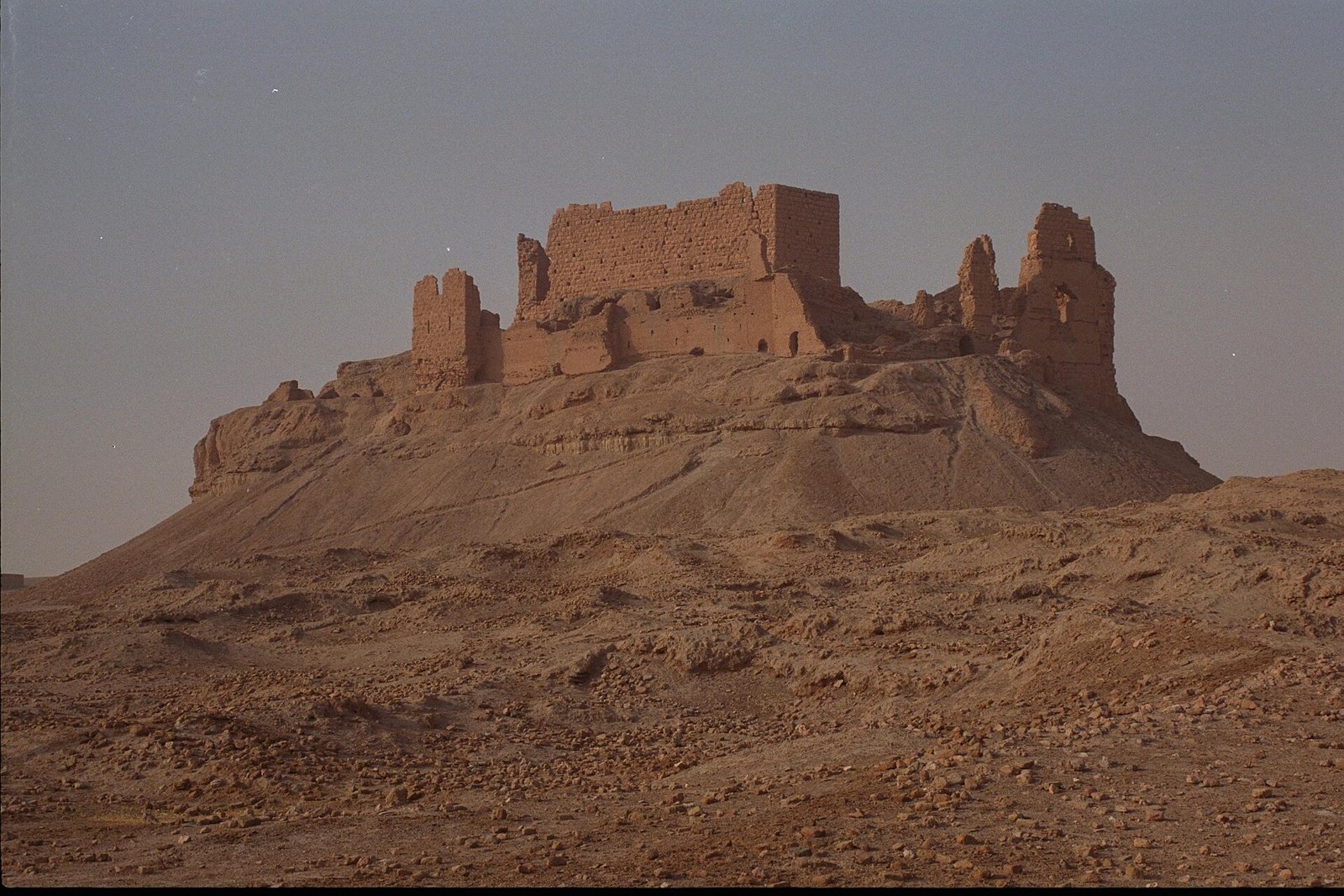
Photos: Zoeperkoe — via Wikimedia Commons (CC BY-SA) · National Center for Scientific Research — via Wikimedia Commons (CC BY)
Syria Trails — An interactive geographic and heritage atlas of Syria: a map that walks down from the country to the district, landmarks with their story and era, curated trails and a passport for your visits.