Qasr Ibn Wardan
قصر ابن وردان
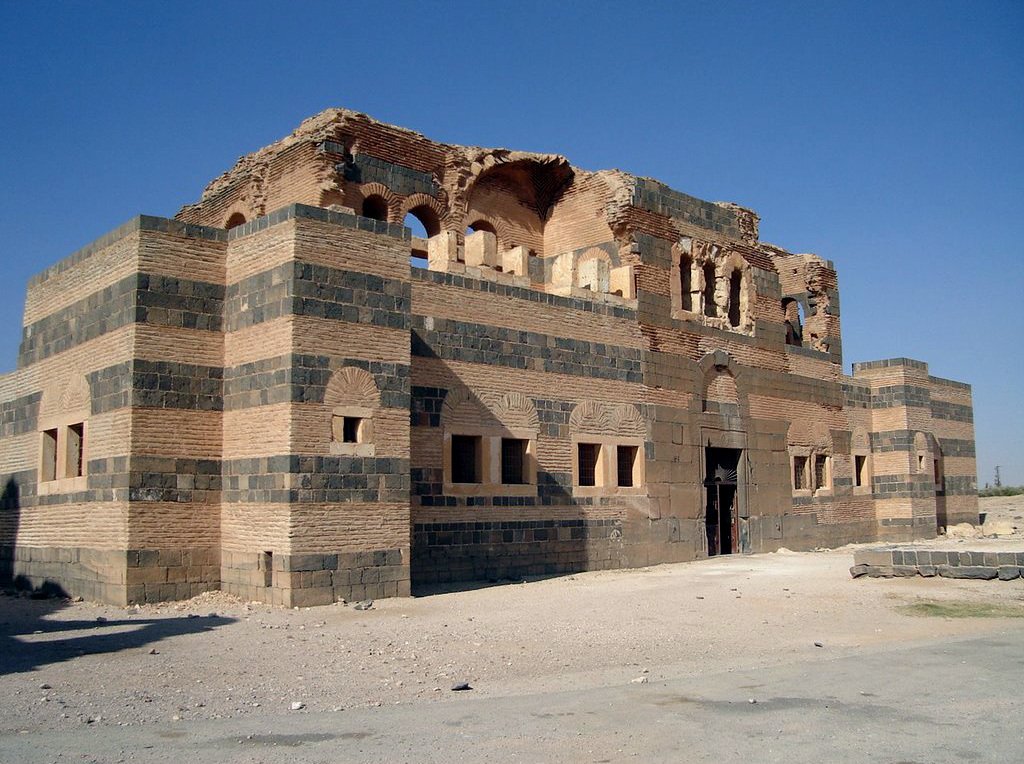
6th-century Byzantine complex in the Hama steppe with a palace, church and barracks, built in banded brick and stone in the Constantinople style.
In the steppe some 60 km northeast of Hama stands Qasr Ibn Wardan, one of the most important examples of Byzantine architecture in Syria, built in the mid-6th century under Emperor Justinian according to its inscriptions.
It comprises a palace for a governor or commander, a church and a barracks, guarding the empire's eastern frontier against nomadic tribes and the Sasanians.
Unusually for Syria, it was built with alternating courses of yellow brick and black basalt in the style of Constantinople, probably by builders from the capital, giving striped walls. The domed church and multi-storey halls and arches partly survive. On Syria's tentative list for UNESCO, it pairs well with the region's beehive mud-brick villages.
Note: photos may not reflect the site's current condition.
For the visitor
Location: 35.3734, 37.2474 · Open on the map
Photos
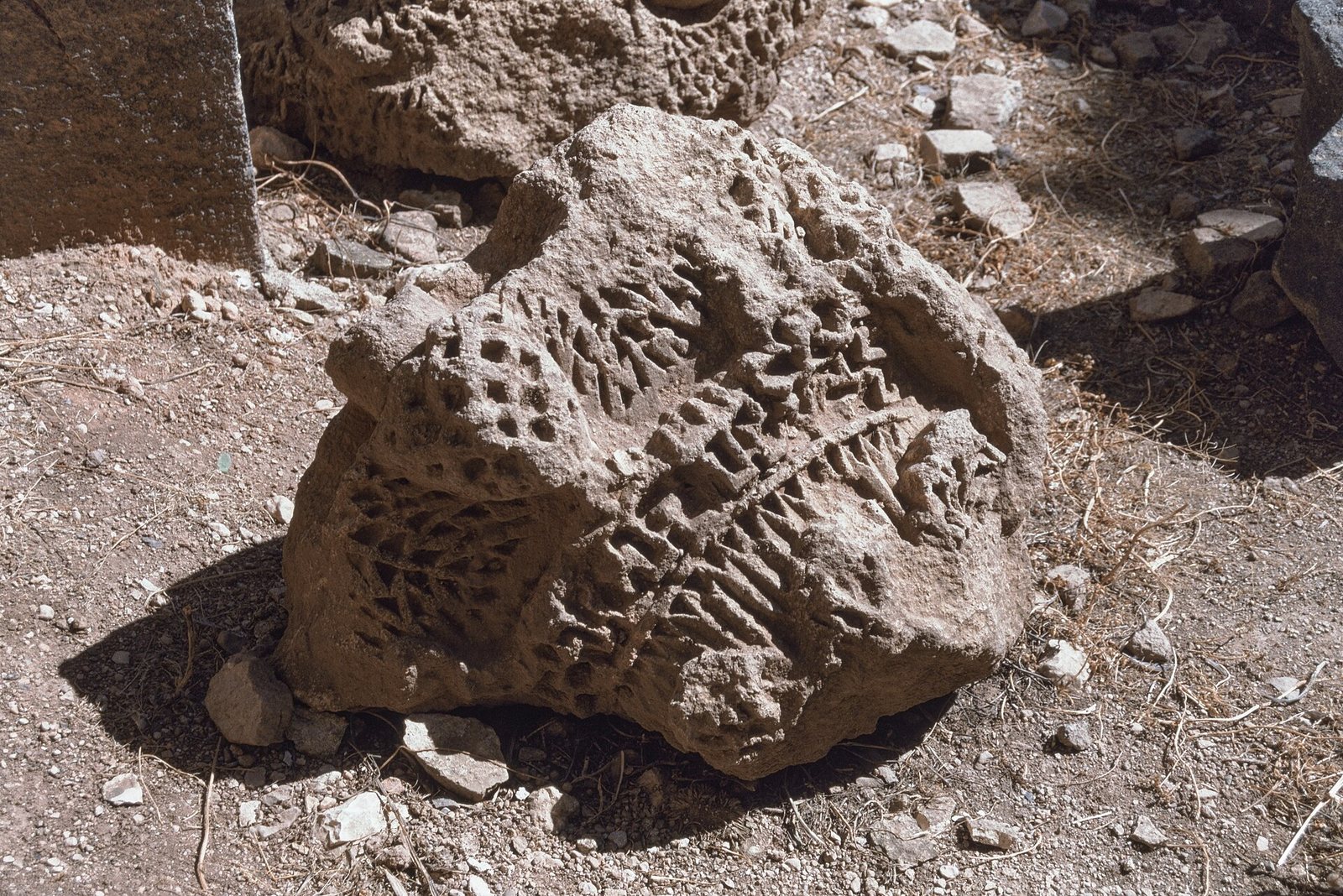
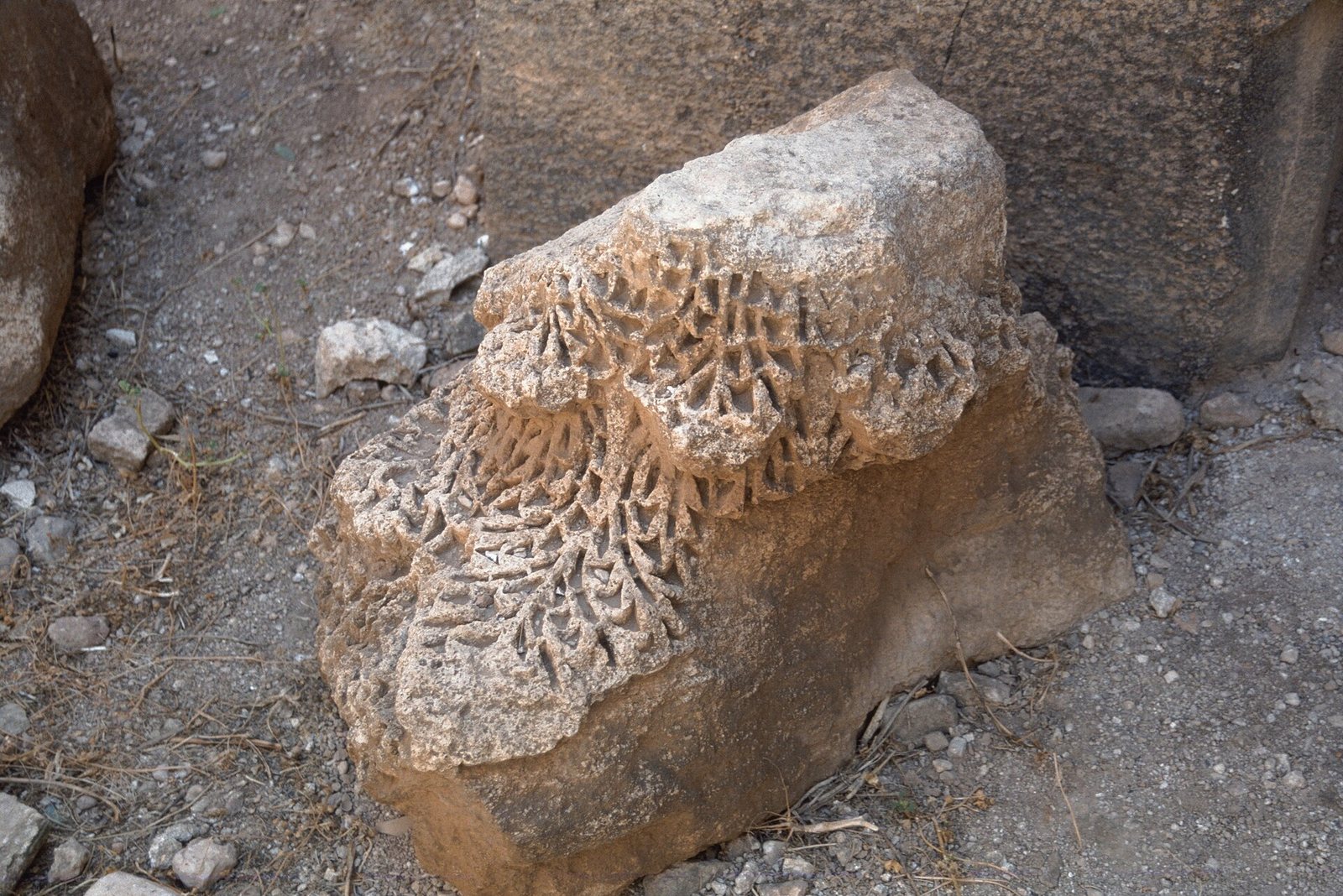
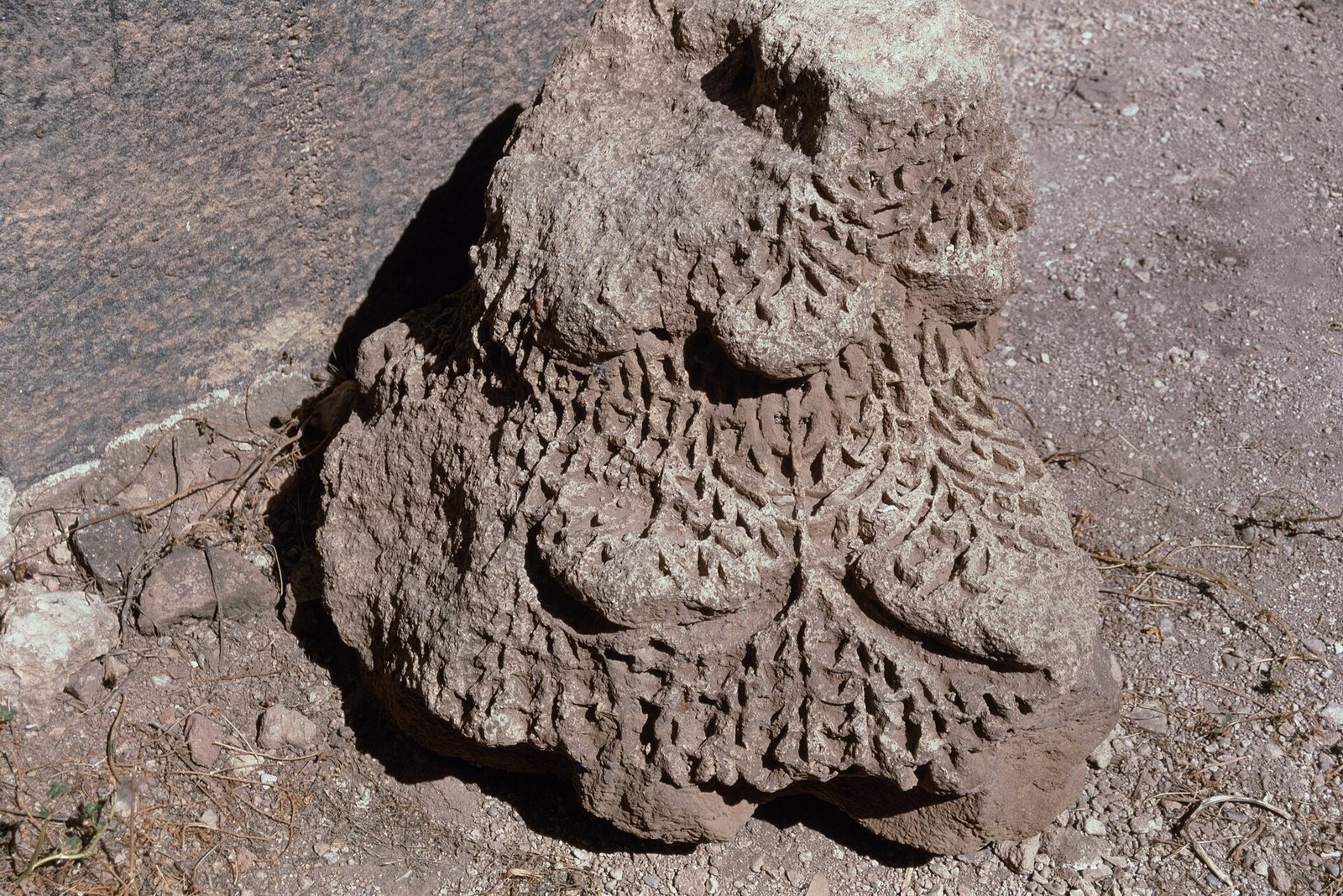
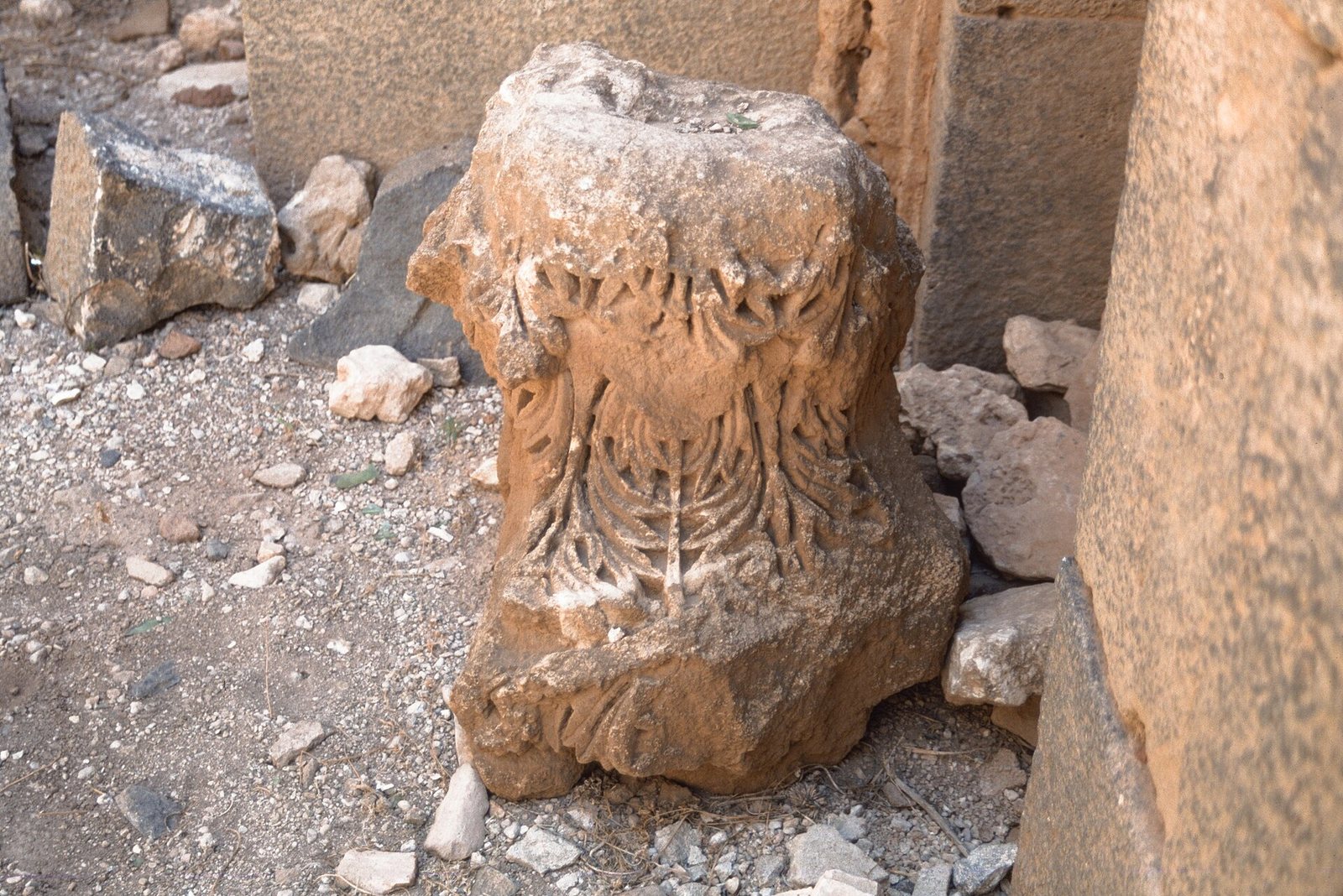
Photos: Jim Gordon — via Wikimedia Commons (CC BY) · Frank Kidner — via Wikimedia Commons (CC BY-SA)
Syria Trails — An interactive geographic and heritage atlas of Syria: a map that walks down from the country to the district, landmarks with their story and era, curated trails and a passport for your visits.