Qal'at al-Subayba (Nimrod Fortress)
قلعة الصبيبة (قلعة النمرود)
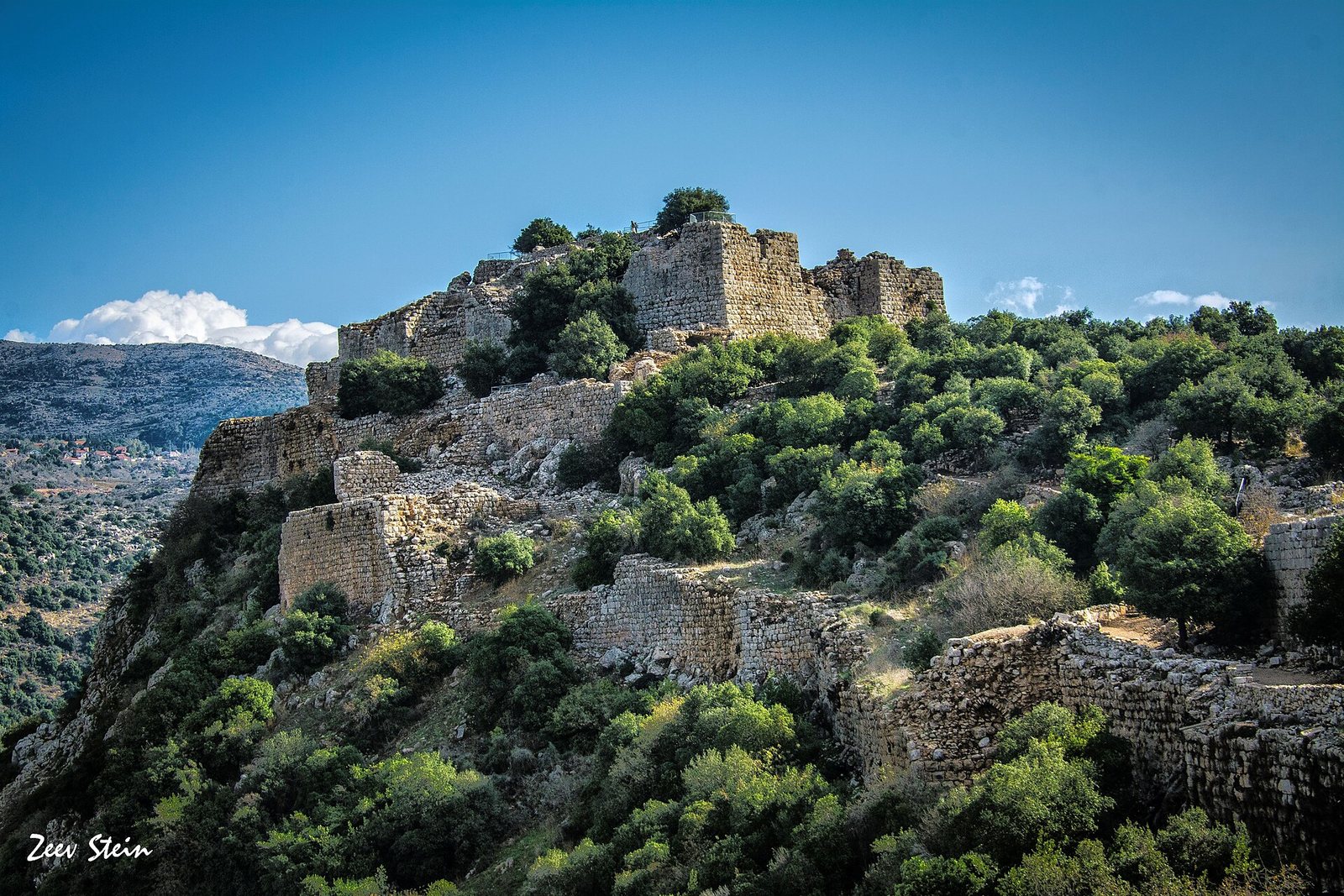
Massive Ayyubid fortress on the slopes of Mount Hermon in the occupied Syrian Golan, built in the 13th century and enlarged by Baybars.
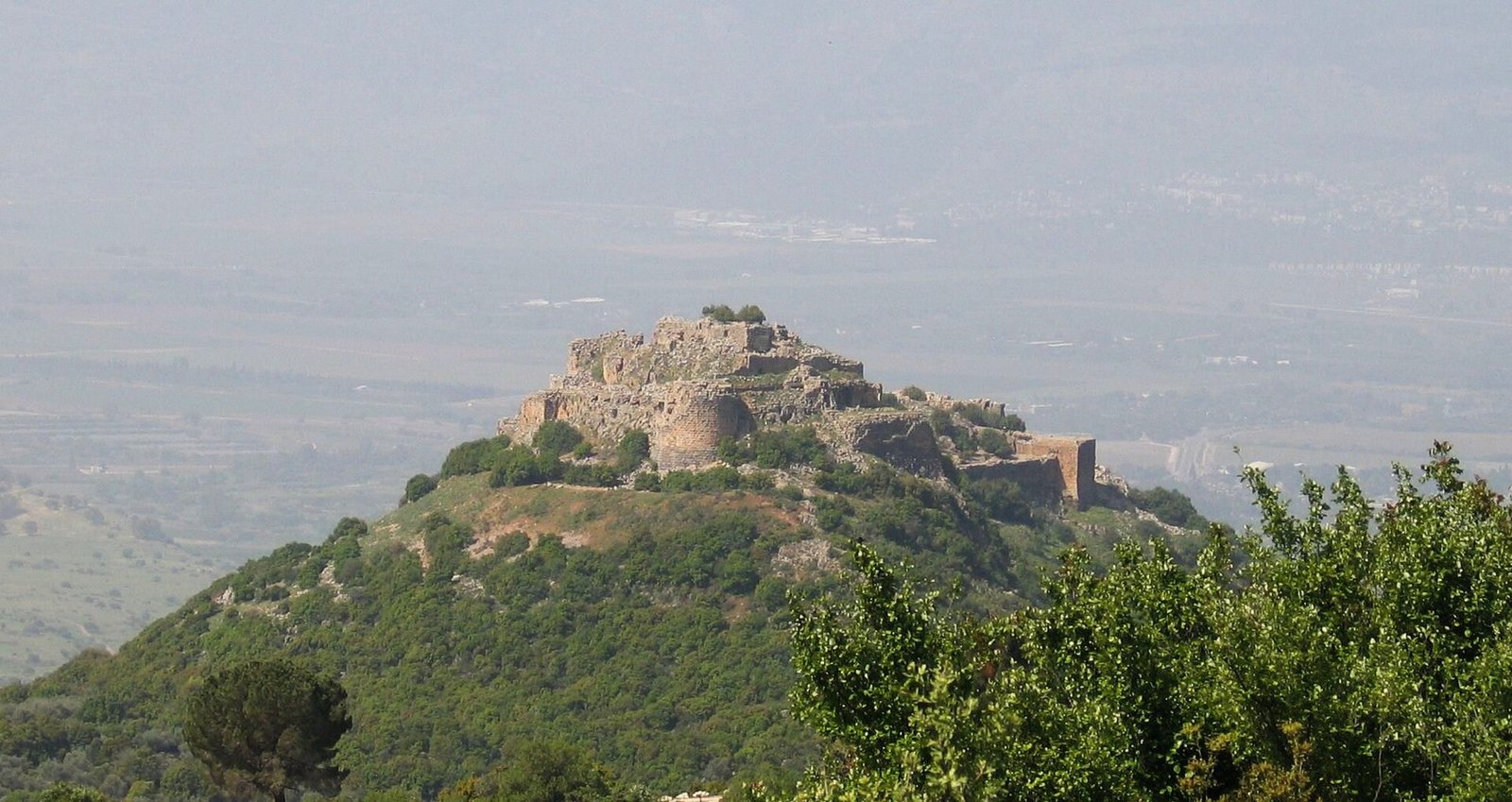
On the southwestern slopes of Mount Hermon in the Syrian Golan stands Qal'at al-Subayba, popularly the Nimrod Fortress, one of the largest Islamic castles in the Levant. It towers over the Hula plain and the sources of the Jordan, commanding the historic road between Damascus and the coast.
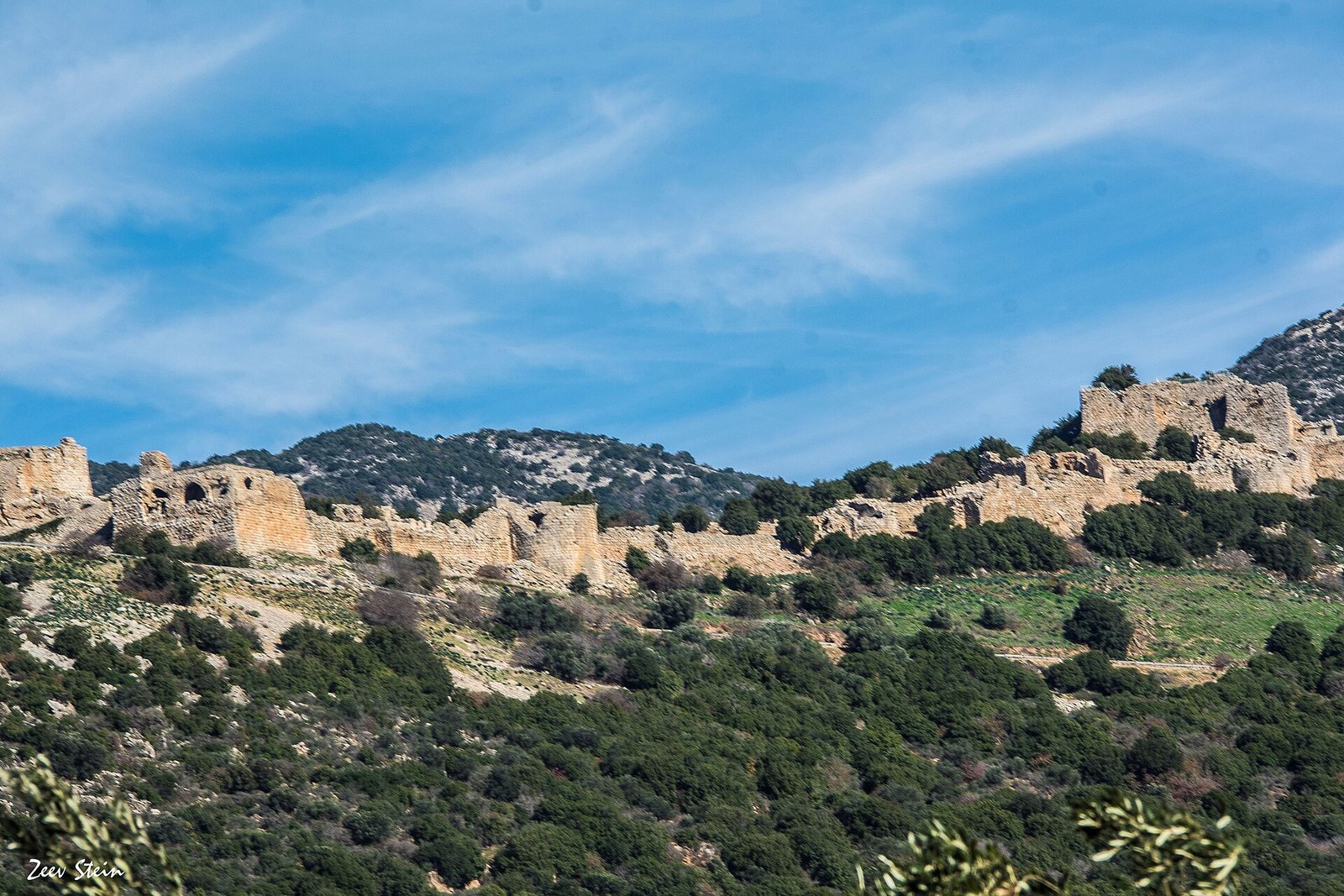
Built by the Ayyubids in the early 13th century to protect Damascus from the Crusaders, notably the crusade of Emperor Frederick II, it was enlarged by the Mamluk sultan Baybars, whose works are recorded in inscriptions. It stretches along a narrow ridge with long walls, rectangular and round towers, a massive keep, cisterns and secret passages.
The castle stands on a ridge rising about 800 metres above sea level and overlooks the Golan; it was built to guard a major access route to Damascus against armies coming from the west. Studies of its masonry and of earthquake effects suggest a first castle may have stood here in the Hellenistic period, followed by Crusader, Ayyubid and Mamluk layers. The association with Nimrod came from the Druze, who settled in the area in the 19th century.
Note: photos may not reflect the site's current condition.
For the visitor
Location: 33.2528, 35.7147 · Open on the map
Photos
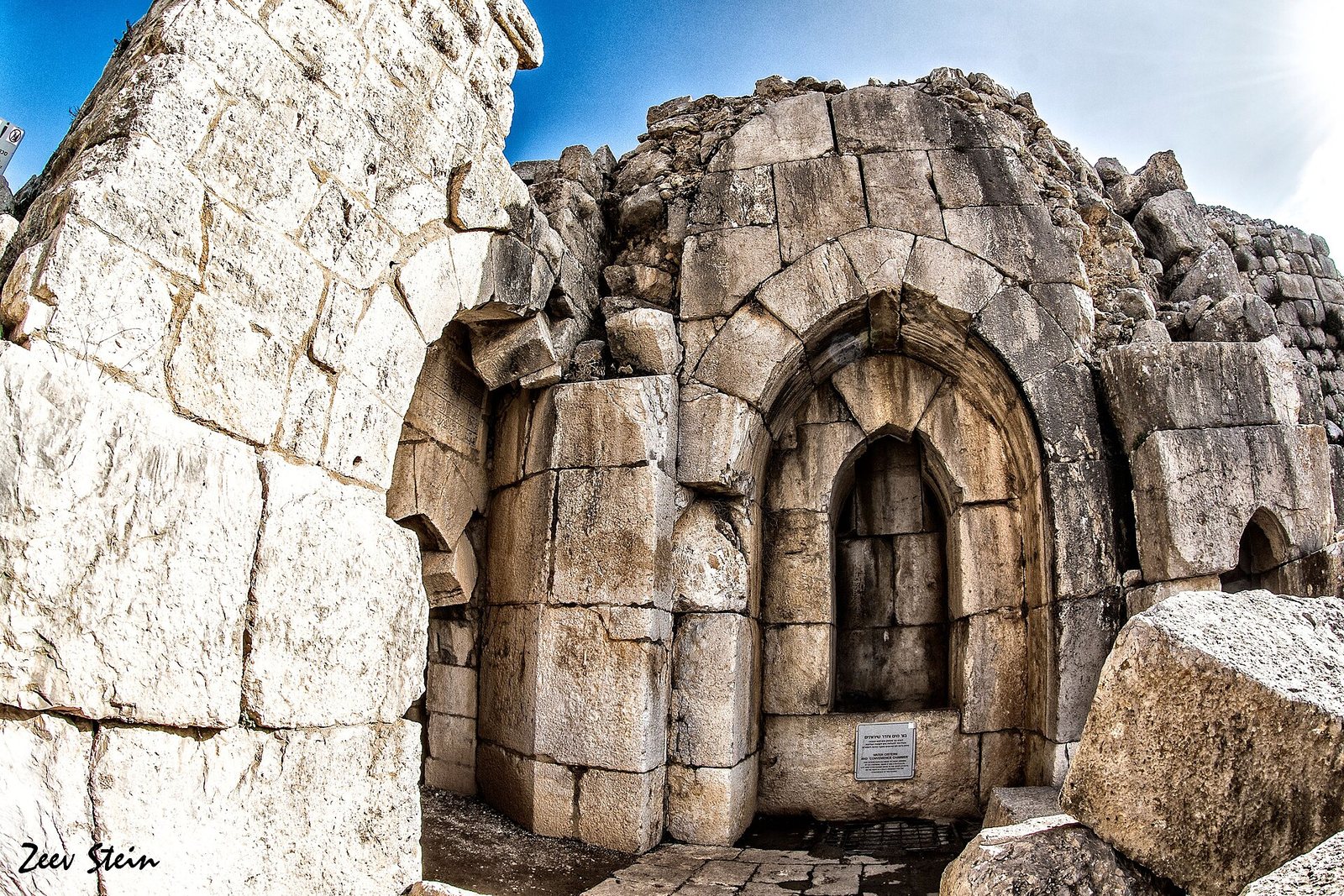
Photos: זאב שטיין — via Wikimedia Commons (CC BY) · Bukvoed — via Wikimedia Commons (CC BY)
Syria Trails — An interactive geographic and heritage atlas of Syria: a map that walks down from the country to the district, landmarks with their story and era, curated trails and a passport for your visits.