Palmyra Castle (Fakhr al-Din al-Ma'ani Castle)
قلعة تدمر (قلعة فخر الدين المعني)
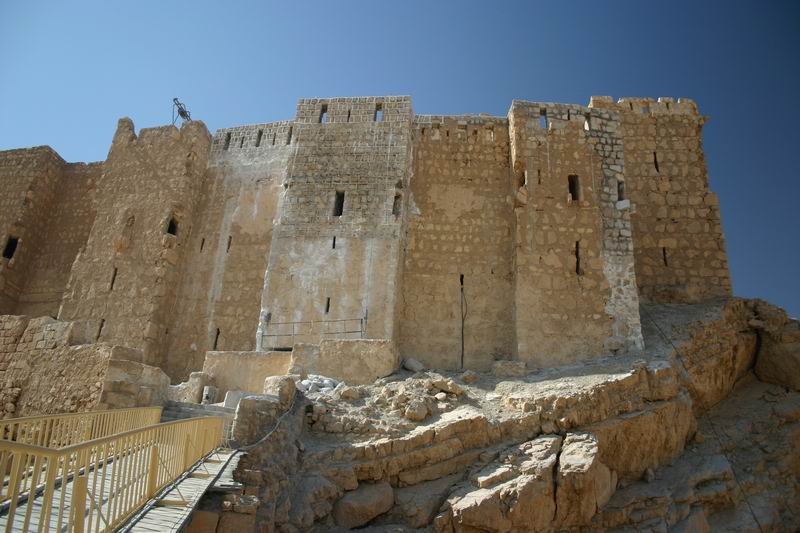
Castle on a high hill overlooking Palmyra's ruins, dating to the 13th century and popularly attributed to Emir Fakhr al-Din al-Ma'ani.
On a high hill west of ancient Palmyra stands Palmyra Castle, popularly named after the 17th-century Lebanese emir Fakhr al-Din al-Ma'ani II. Archaeological study, however, dates it earlier, to the 13th century under the Ayyubids or Mamluks, with later modifications.
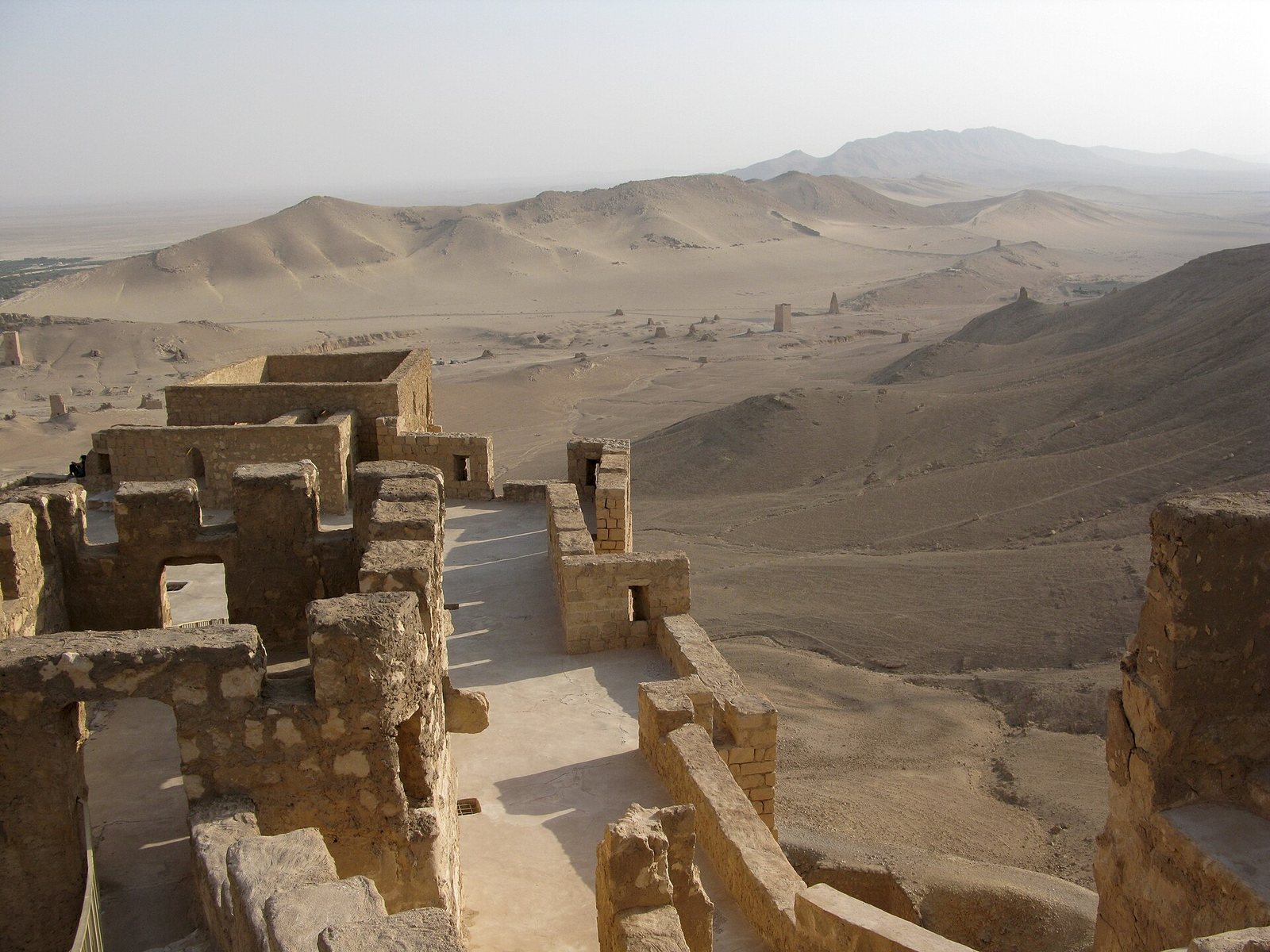
Crowning the summit, it is surrounded by a rock-cut moat reached only by a bridge, commanding the routes into the oasis. From its walls the view takes in the ancient city, the oasis, the Valley of Tombs and the desert beyond, especially spectacular at sunset.
The castle is thought to have been built by the Mamluks in the 13th century on a high hill overlooking Palmyra, and is named after the Druze emir Fakhr al-Din II, who extended Druze domains to the Palmyra region in the 17th century. It stands on raised bedrock with high, thick walls and a moat crossed only by a drawbridge. Palmyra became a UNESCO World Heritage Site in 1980, was designated a national monument in Syria, and a buffer zone was established in 2007.
Climbing it remains the best way to understand Palmyra's setting. Part of the Palmyra World Heritage site.
Note: photos may not reflect the site's current condition.
For the visitor
Location: 34.5625, 38.2569 · Open on the map
Photos
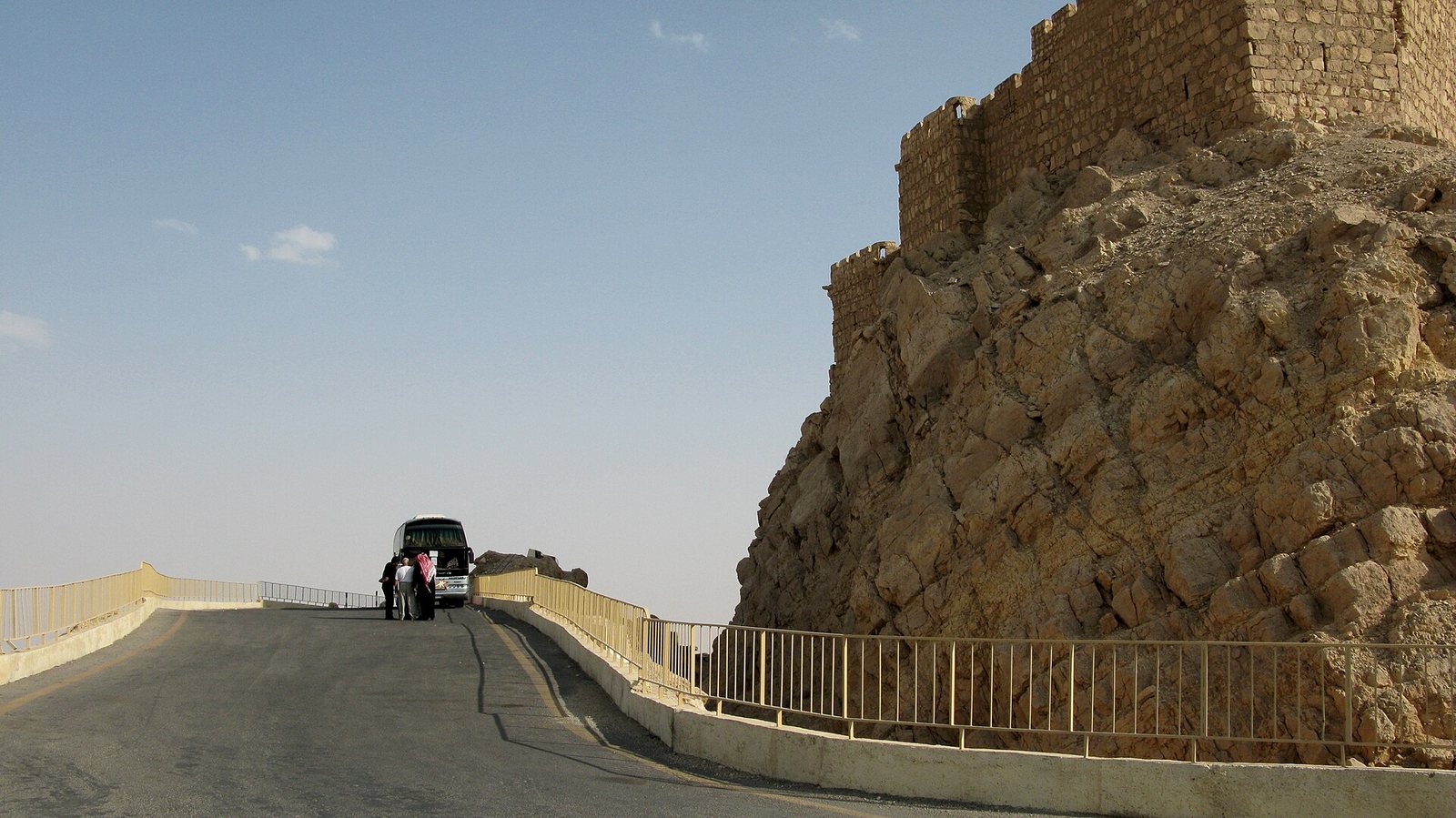
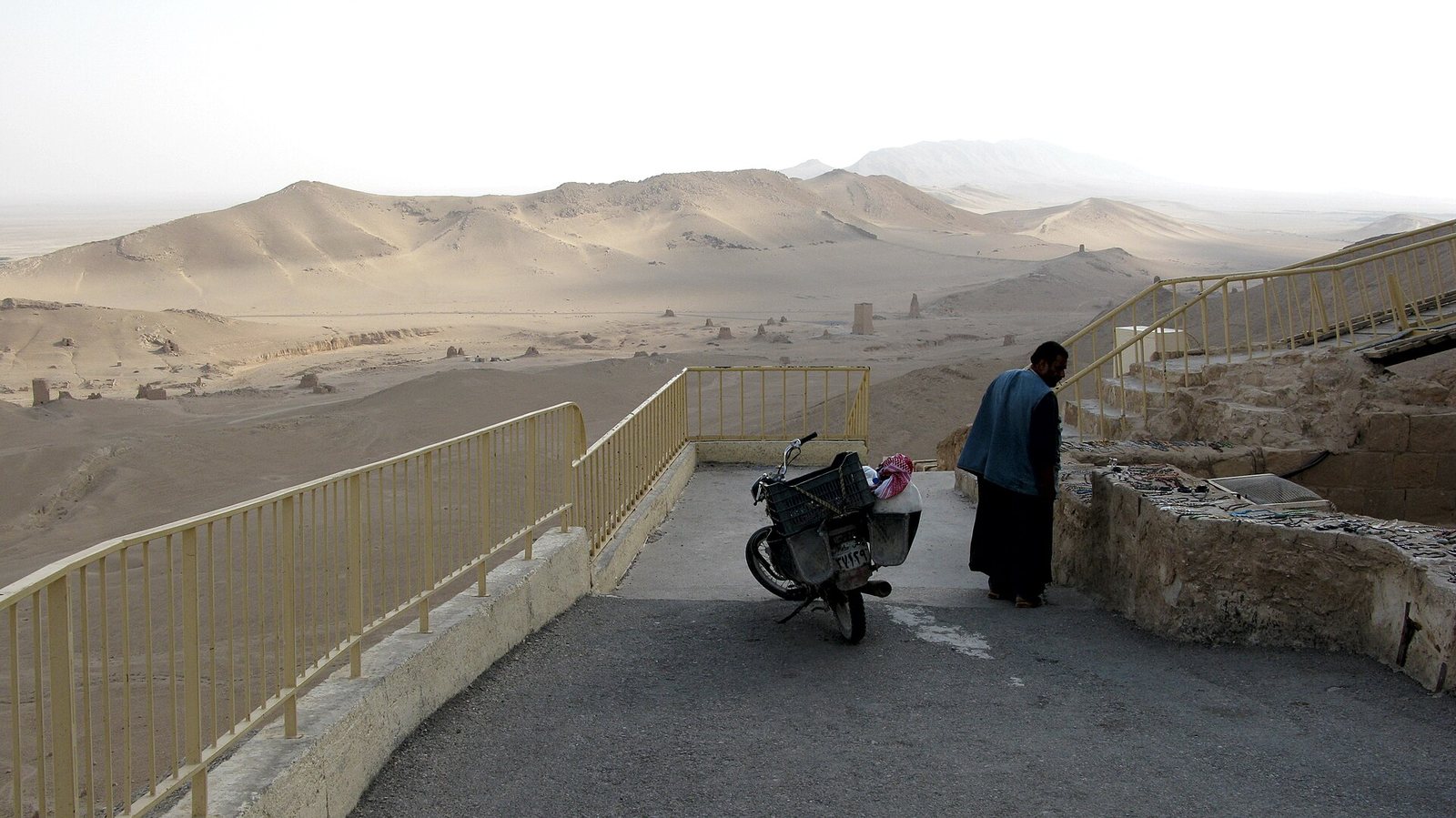
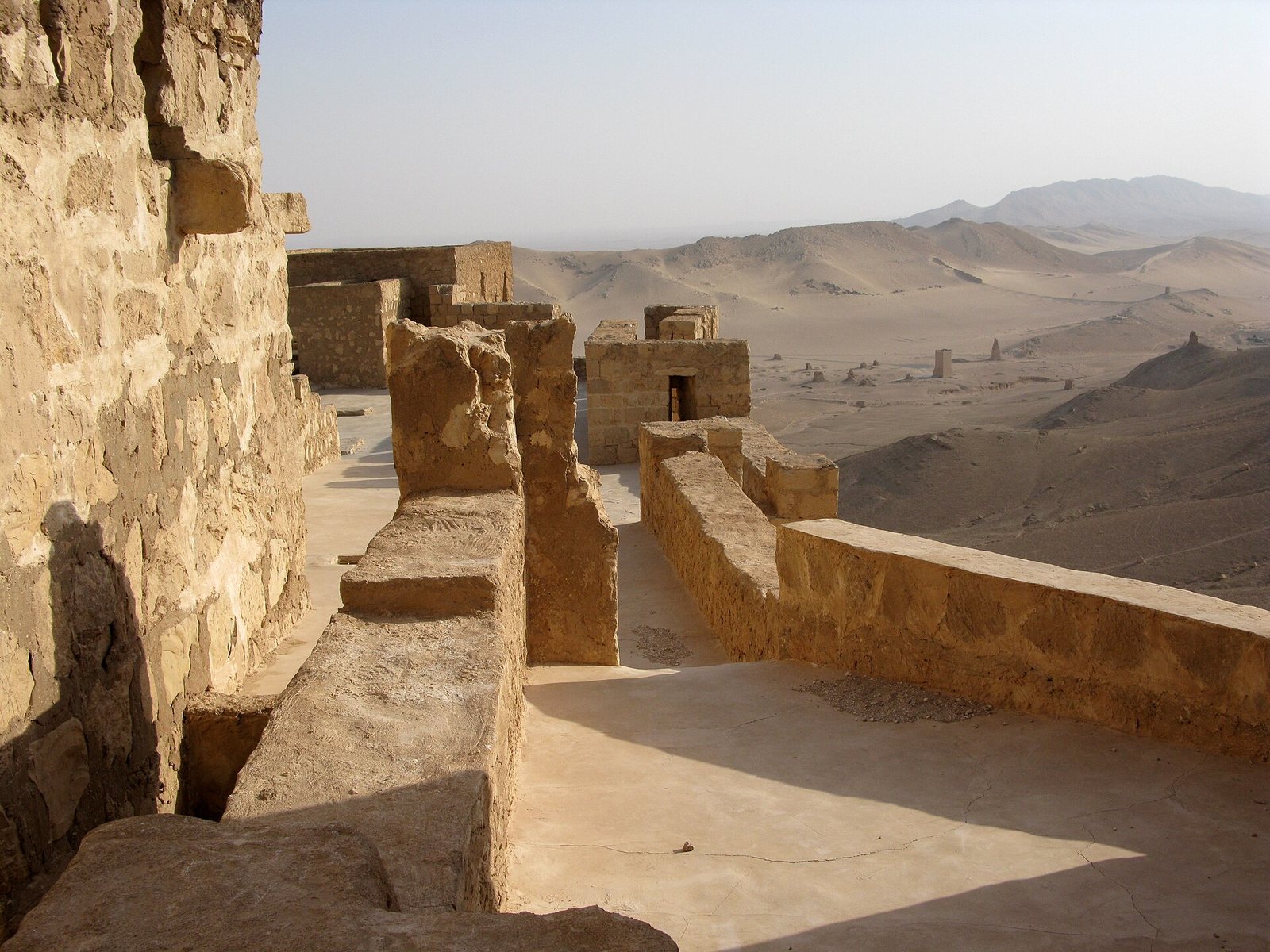
Photos: Mewes at German Wikipedia — via Wikimedia Commons (Public domain) · Vyacheslav Argenberg — via Wikimedia Commons (CC BY)
Syria Trails — An interactive geographic and heritage atlas of Syria: a map that walks down from the country to the district, landmarks with their story and era, curated trails and a passport for your visits.