Nuri Bimaristan (Museum of Medicine)
البيمارستان النوري (متحف الطب)
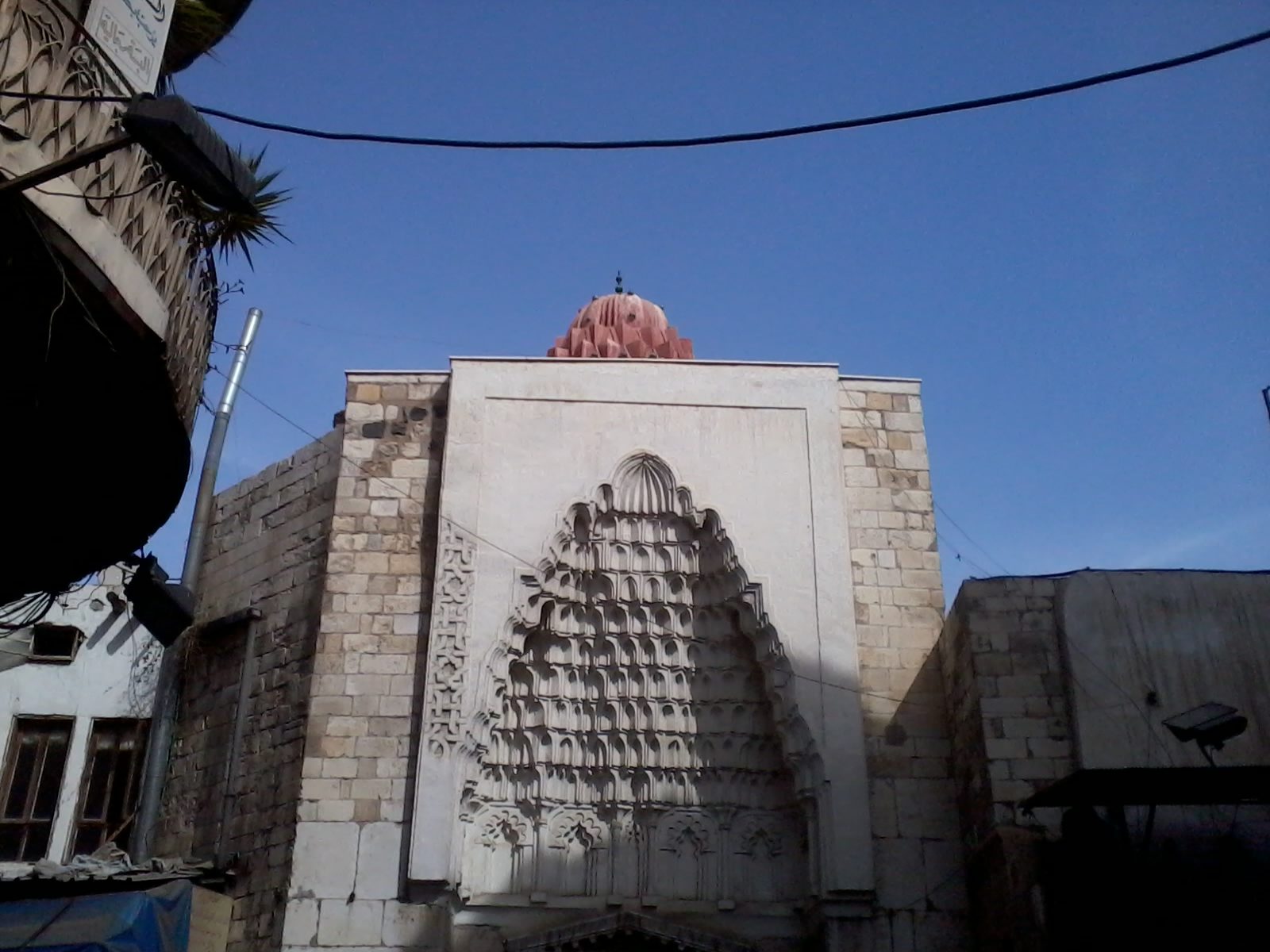
One of the oldest and most famous hospitals of the Islamic world, built by Nur al-Din Zangi in 1154, now home to the Museum of Science and Medicine in the Arab-Islamic Civilization.
Ruler Nur al-Din Mahmud Zangi built the Nuri Bimaristan (hospital) in 1154 to serve as an advanced public hospital for its era, offering free medical and psychiatric care to all patients regardless of their origin, religion, or financial means -- making it one of the most notable examples of humane healthcare in the medieval period.
The hospital was known for treatment methods advanced for its time, including the use of music and running water as a form of psychological therapy for patients, and it also served as a center for teaching medicine to students from across the Islamic world, continuing its medical function for several centuries before ceasing to operate as an actual hospital.
The bimaristan stands in the al-Hariqa quarter of the old walled city, south-west of the Umayyad Mosque, and was built in two phases: the first commissioned by Nur al-Din in 1154, the second about 90 years later (about 1242) by a physician, Badr al-Din, who added an extension to the main building. Its halls and iwans are grouped around a central courtyard with a pool, one of the finest examples of Zengid architecture in Damascus. It was restored in 1975 and a small Museum of Medicine and Science in the Arab World was established in it.
In the modern era the building was converted into the Museum of Science and Medicine in the Arab-Islamic Civilization, which displays a rare collection of ancient surgical instruments, medical manuscripts, and miniature models of traditional pharmacies and treatment halls, giving visitors a vivid glimpse into the development of medicine in Islamic civilization.
For the visitor
Location: 33.5111, 36.3040 · Open on the map
Photos: Nizam Alden Enayeh — via Wikimedia Commons (CC BY-SA)
Syria Trails — An interactive geographic and heritage atlas of Syria: a map that walks down from the country to the district, landmarks with their story and era, curated trails and a passport for your visits.