National Museum of Damascus
المتحف الوطني بدمشق
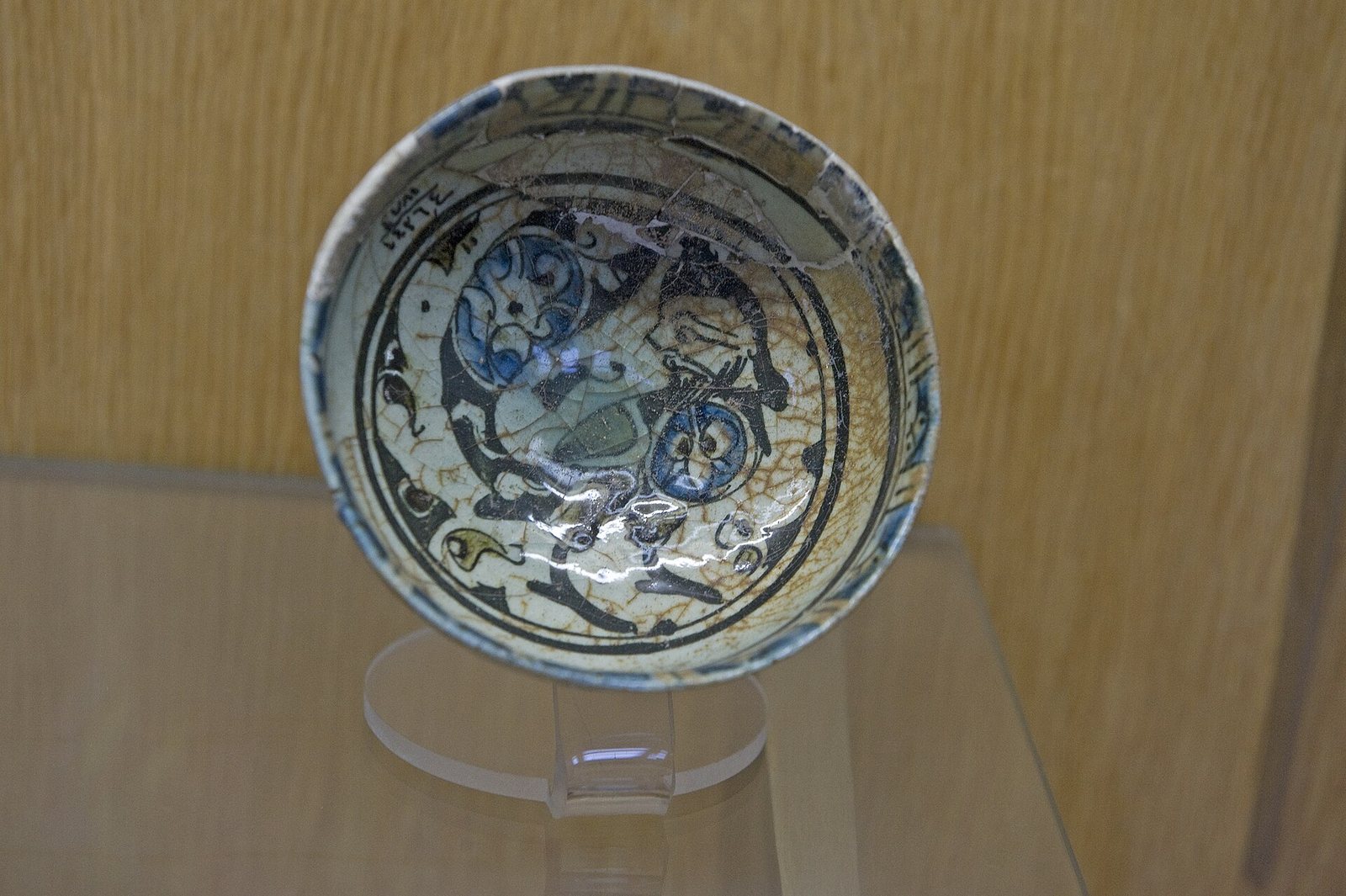
One of the most important museums in the Middle East, housing archaeological collections spanning the full span of Syrian history from prehistoric times to the Islamic era.
The National Museum of Damascus was founded in 1919 and moved to its current building on Shukri al-Quwatli Street in 1936 -- a building distinguished by a main facade in ancient style, into which the original stone gateway of the Umayyad desert palace of Qasr al-Heir al-Gharbi was reinstalled, giving visitors an archaeological impression before they even step inside.
The museum holds an exceptional collection of artifacts discovered at Syrian sites spanning thousands of years, including a full reconstruction of the Dura-Europos synagogue hall with its rare wall paintings, replicas of the clay tablets discovered at Ebla and Ugarit -- the latter known as the home of the oldest alphabet ever discovered -- as well as sculptures and artifacts from Palmyra, the kingdom of Mari, and other civilizations that succeeded one another on Syrian soil.
The museum is organized into sections covering the Stone Age, Classical, and Islamic periods, making it a comprehensive reference for understanding the depth of Syrian history and the diversity of its successive civilizations, and it draws researchers and antiquities enthusiasts from around the world.
The museum covers over 11 millennia of Syrian history; it is the country's largest national museum and its oldest cultural heritage institution, founded in 1919 under the short-lived Arab Kingdom of Syria at the Al-Adiliyah Madrasa before moving to the current building, built in 1936 in the west of the city between Damascus University and the Sulaymaniyya Takiyya. Its highlights include the Dura-Europos synagogue, dated to about 245 and moved piece by piece to Damascus in the 1930s, noted for its vibrant, well-preserved wall paintings, over 5,000 cuneiform tablets including the Ugaritic alphabet written on a clay tablet, 2nd-century murals and elaborate tombs. It displays above all finds from Mari, Ebla and Ugarit.
For the visitor
Location: 33.5145, 36.2907 · Open on the map
Photos
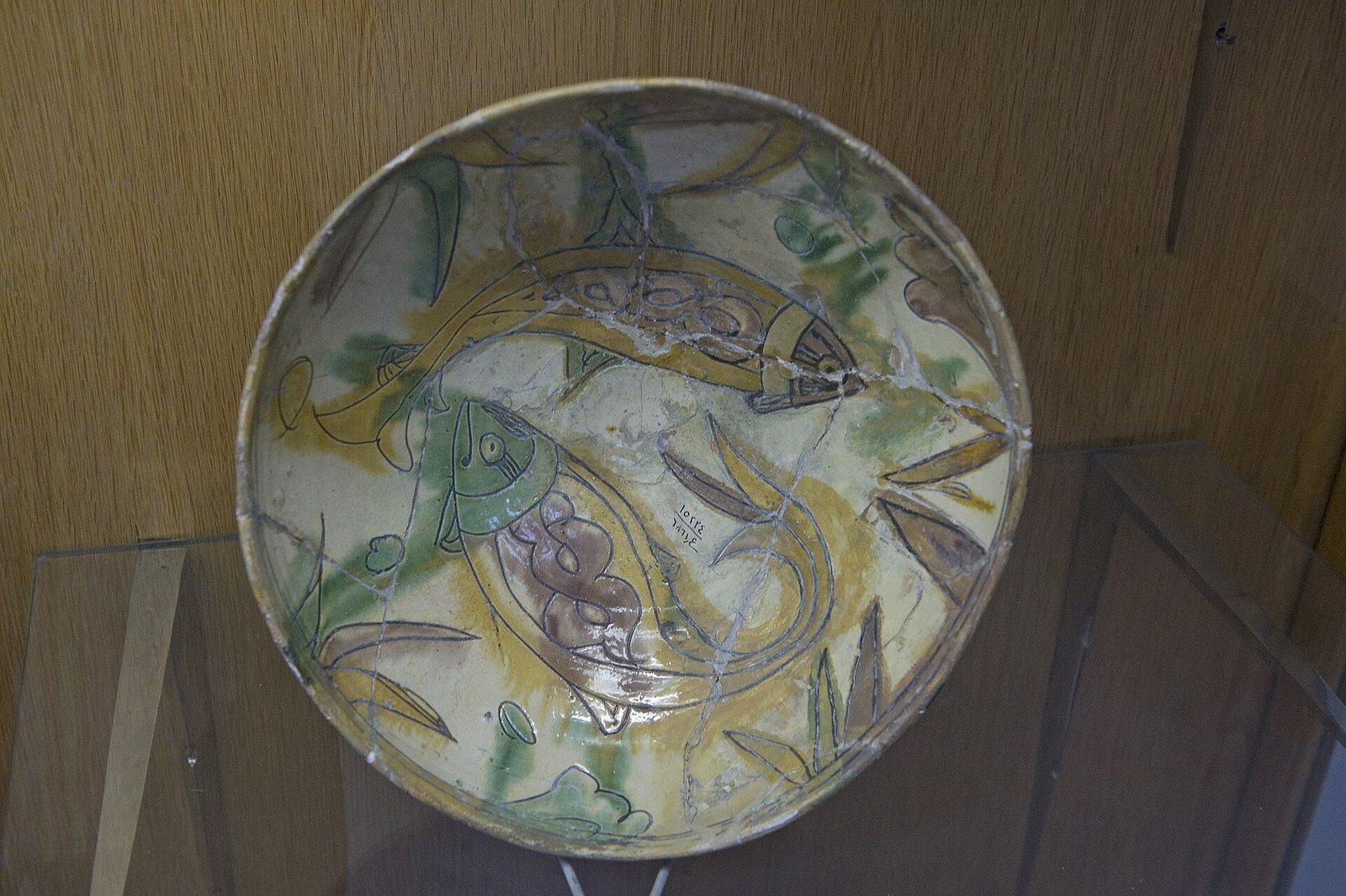
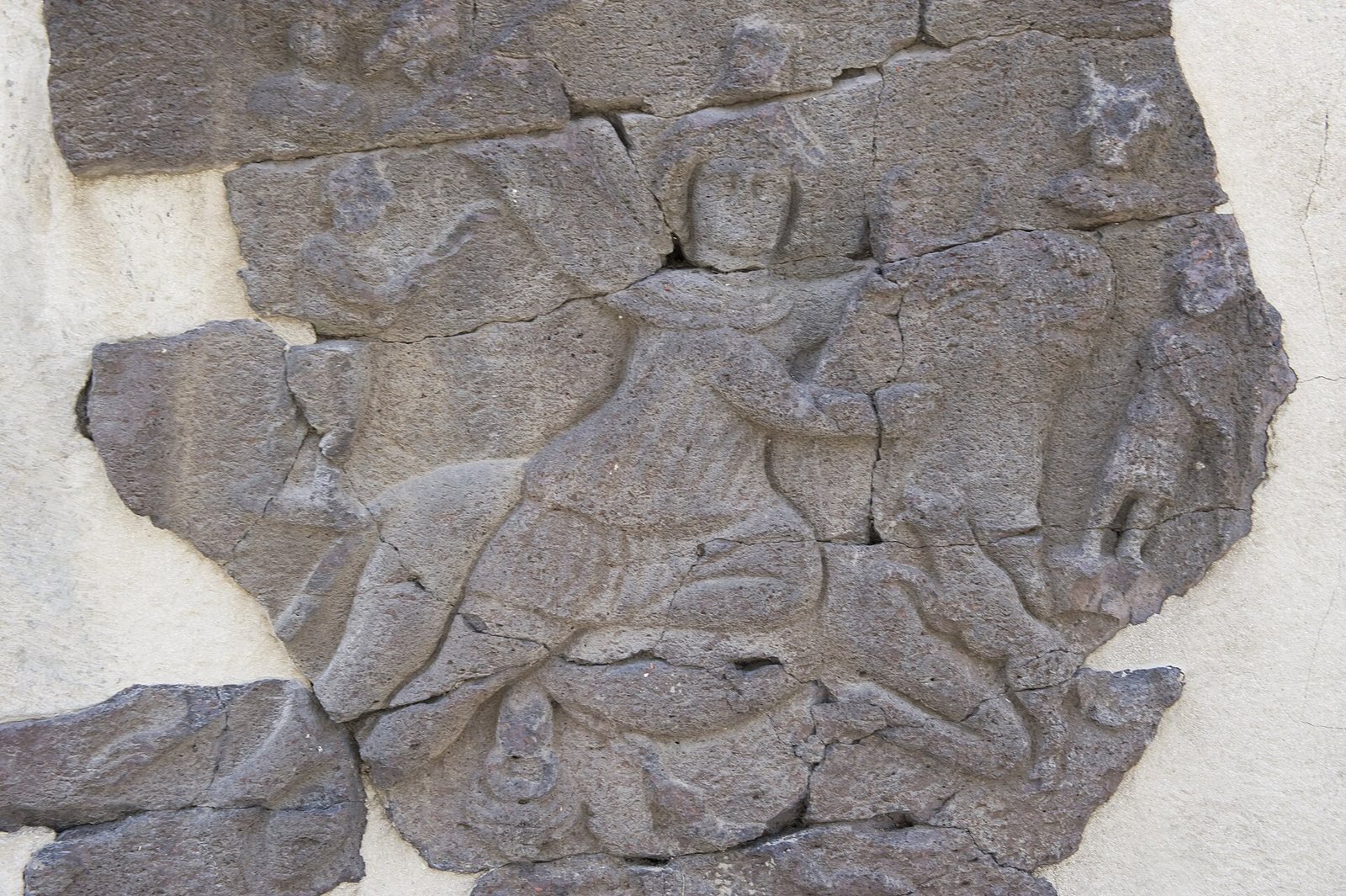
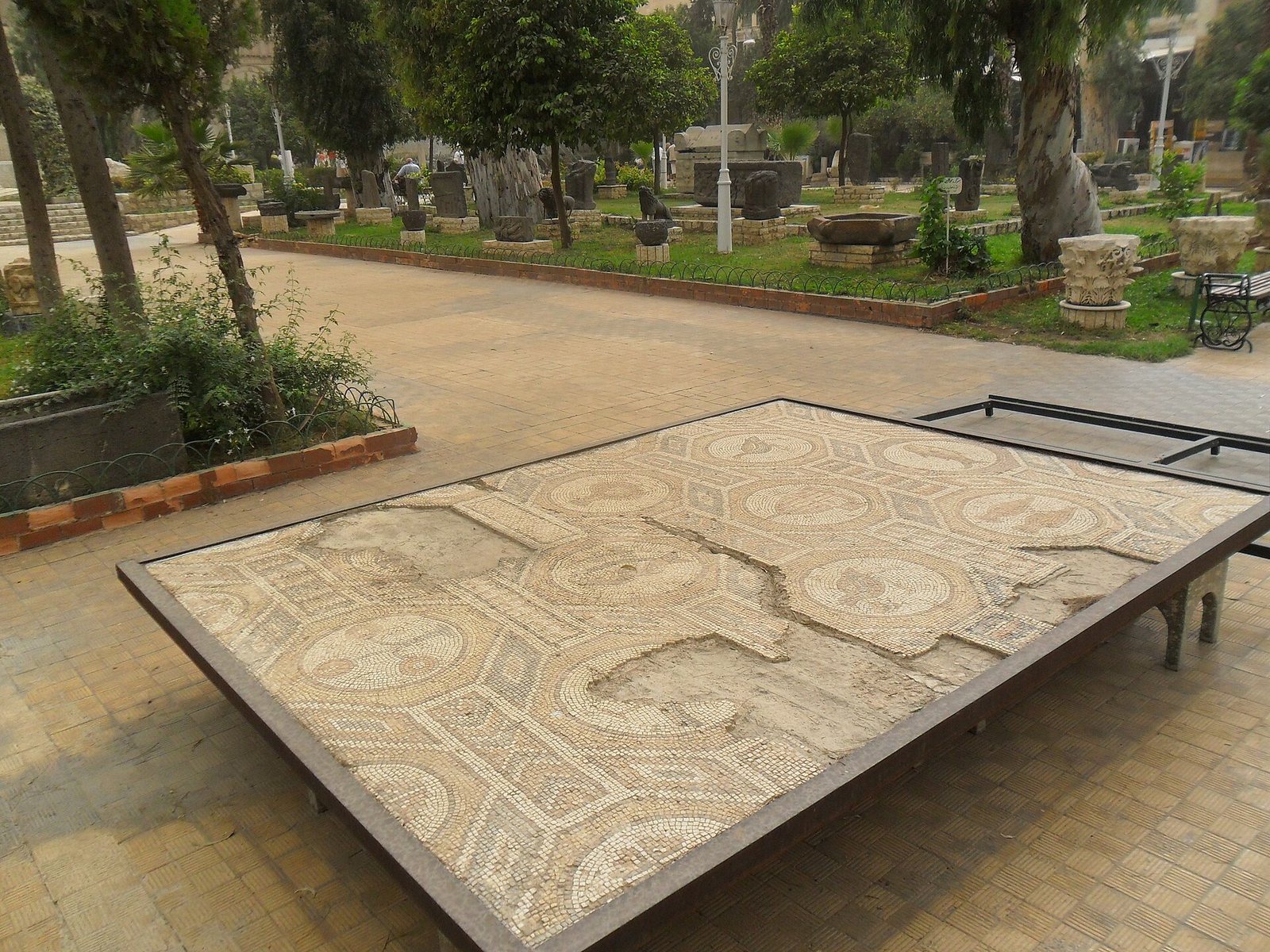
Photos: Dosseman — via Wikimedia Commons (CC BY-SA) · Schumeru — via Wikimedia Commons (CC BY-SA)
Syria Trails — An interactive geographic and heritage atlas of Syria: a map that walks down from the country to the district, landmarks with their story and era, curated trails and a passport for your visits.