National Museum of Aleppo
متحف حلب الوطني
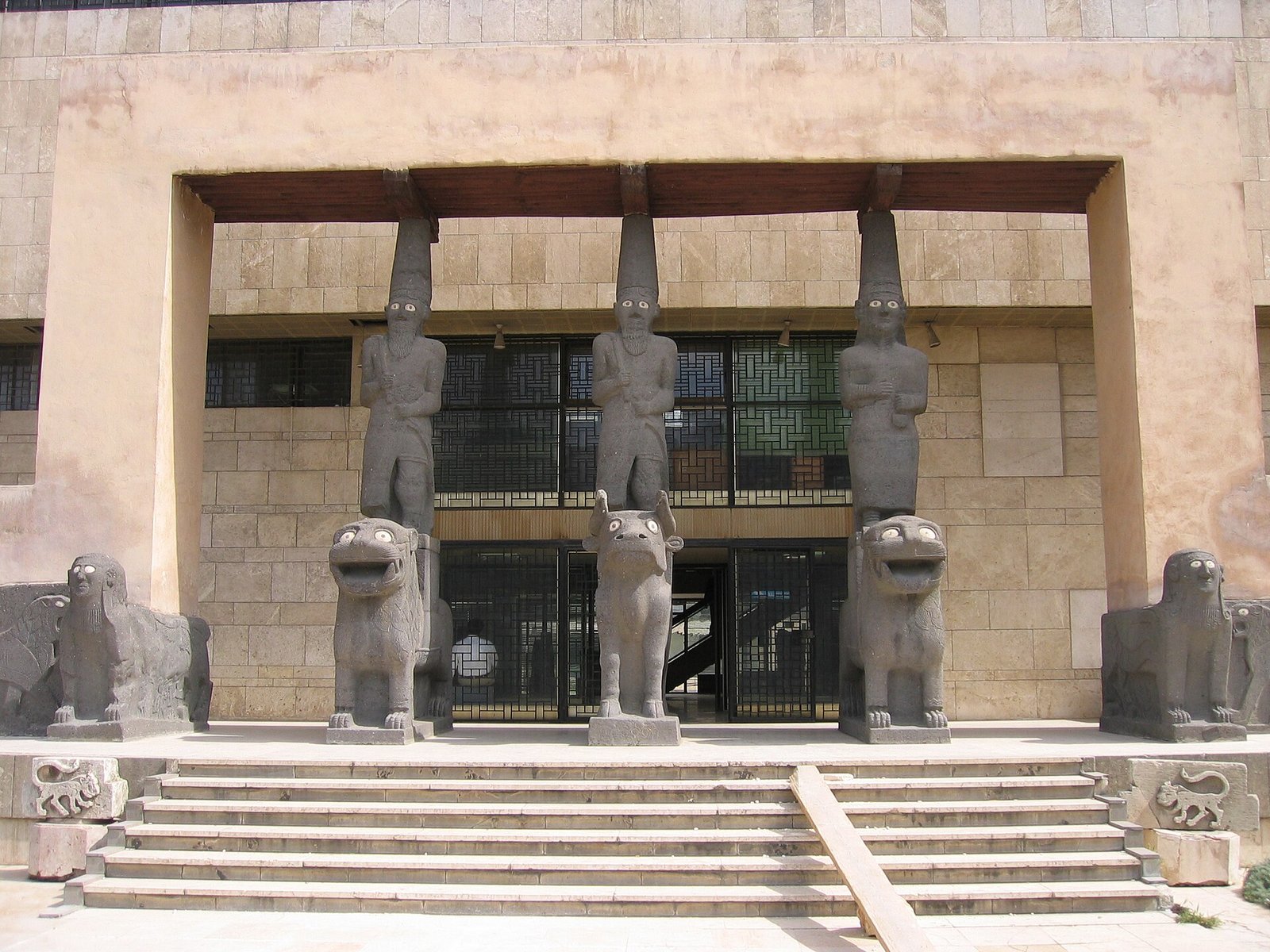
Syria's second museum, entered past giant basalt figures from Tell Halaf's palace, holding finds from Mari, Ebla, Ugarit and northern Syria.
Near Bab al-Faraj in central Aleppo, the National Museum is Syria's second most important museum. Opened in the early 20th century, it moved in the 1960s to its current purpose-built home.
Its entrance is guarded by colossal black basalt figures — replicas of the deities standing on animals that adorned the palace façade of the Aramean king Kapara at Tell Halaf (Guzana) near Ras al-Ain — an instant introduction to Iron Age Aramean art.
The museum was founded in 1931 in a small Ottoman palace set aside for the purpose; after three decades the building was too small for the growing collection, so in 1966 it was decided to replace it with a larger, modern one. It stands next to the Baron Hotel and near Bab al-Faraj Square and its clock tower. Most exhibits are devoted to the archaeology of Syria, with the largest sections covering the Iron Age and the Islamic period, and it holds the oldest known built human shelter (about 8500 BC), brought from Mureybet.
Inside, halls run from prehistory through the great ancient Syrian civilisations, with objects from Mari, Ebla, Ugarit, Tell Brak and Hama, including Mari worshipper statuettes and cuneiform tablets, then Hellenistic, Roman, Byzantine and Islamic galleries and a modern art section.
It complements a visit to the Citadel and old city.
Note: photos may not reflect the site's current condition.
For the visitor
Location: 36.2050, 37.1500 · Open on the map
Photos
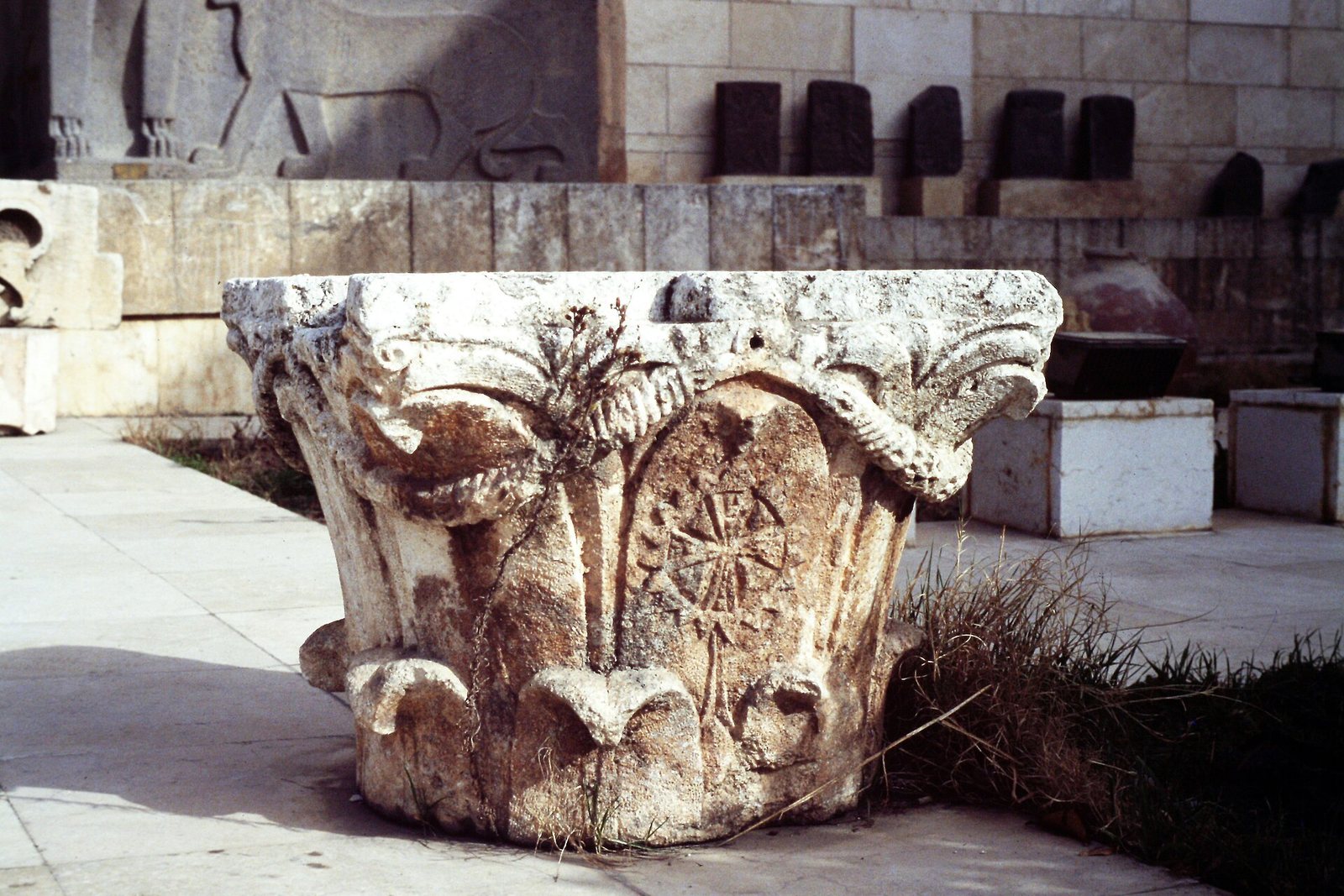
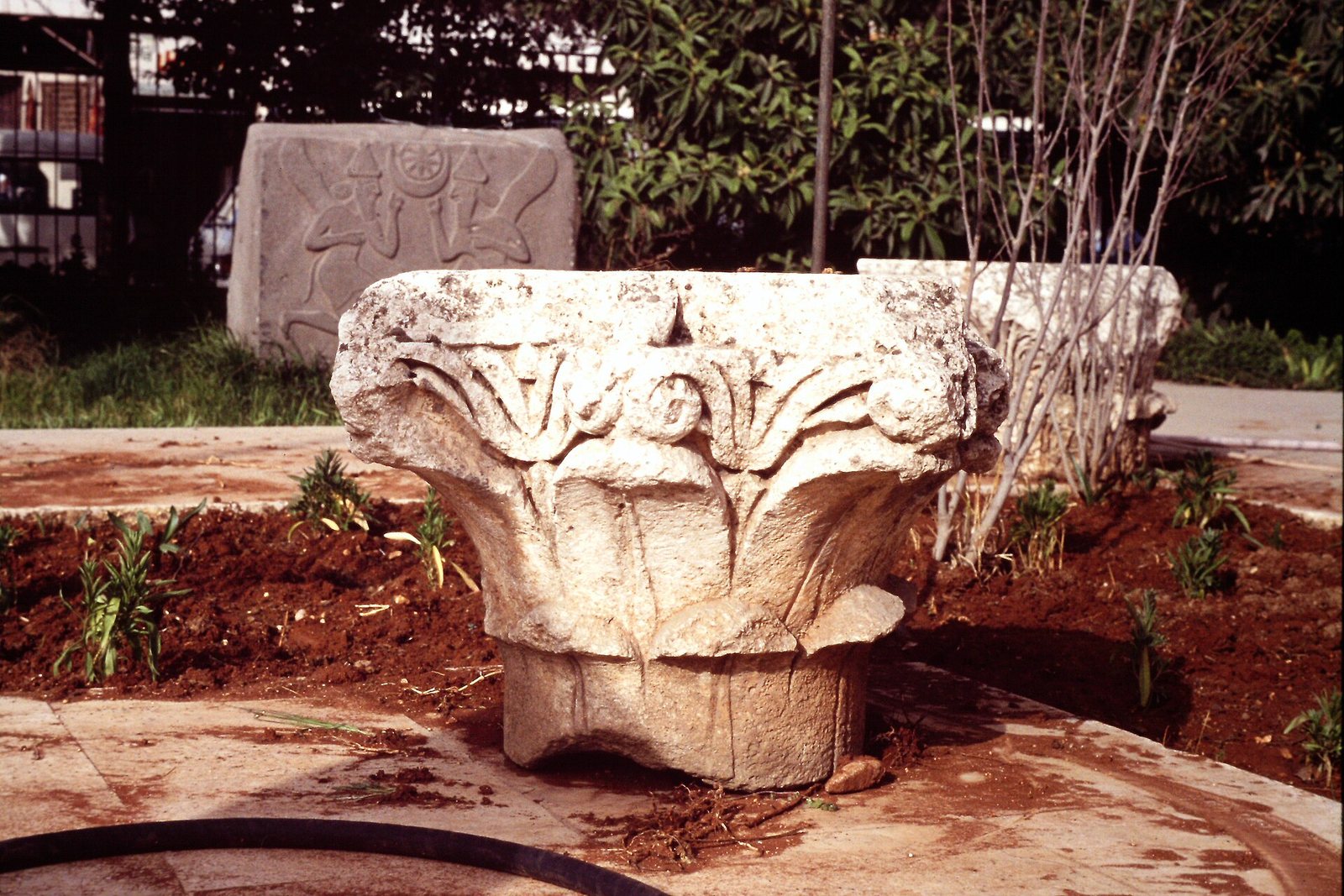
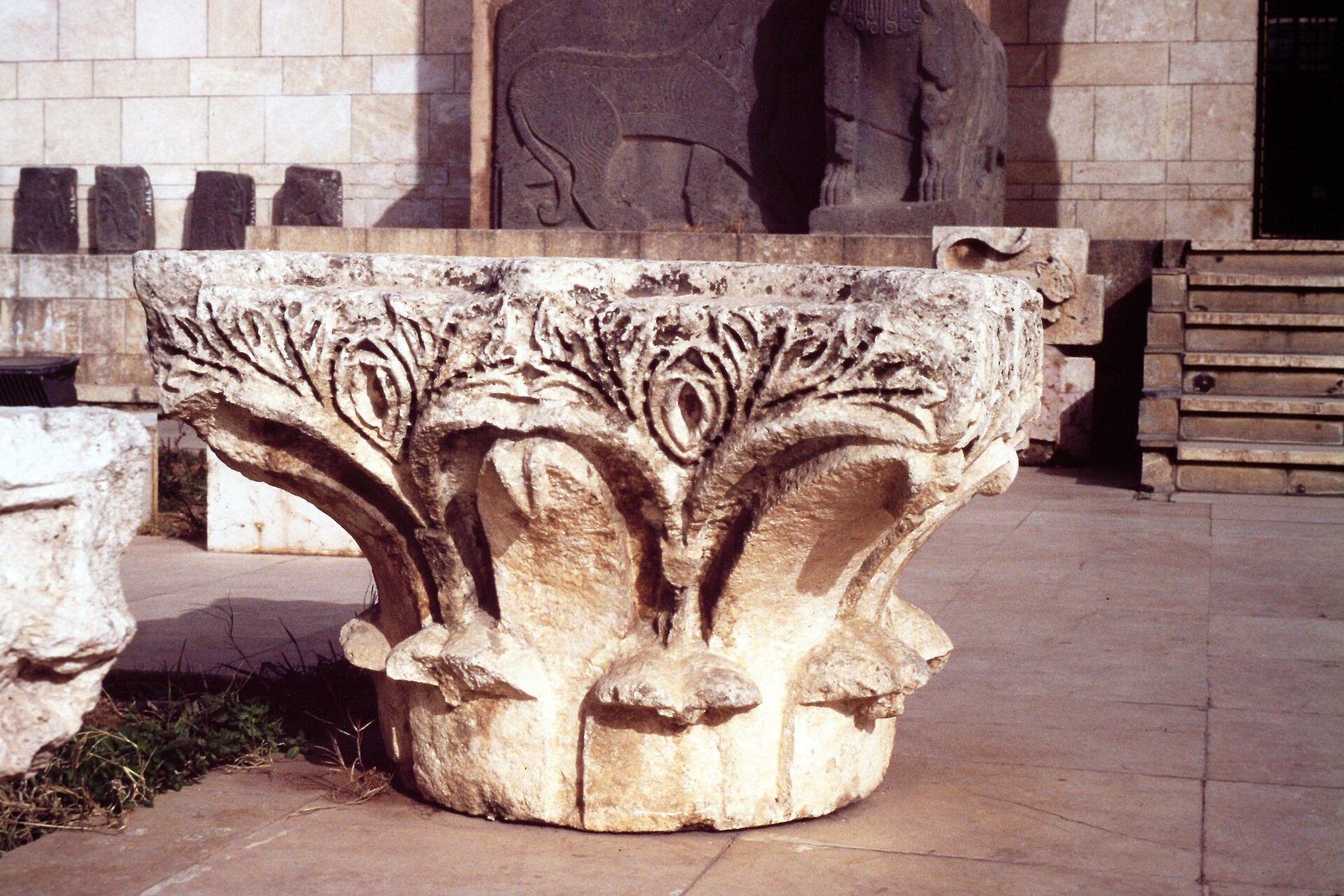
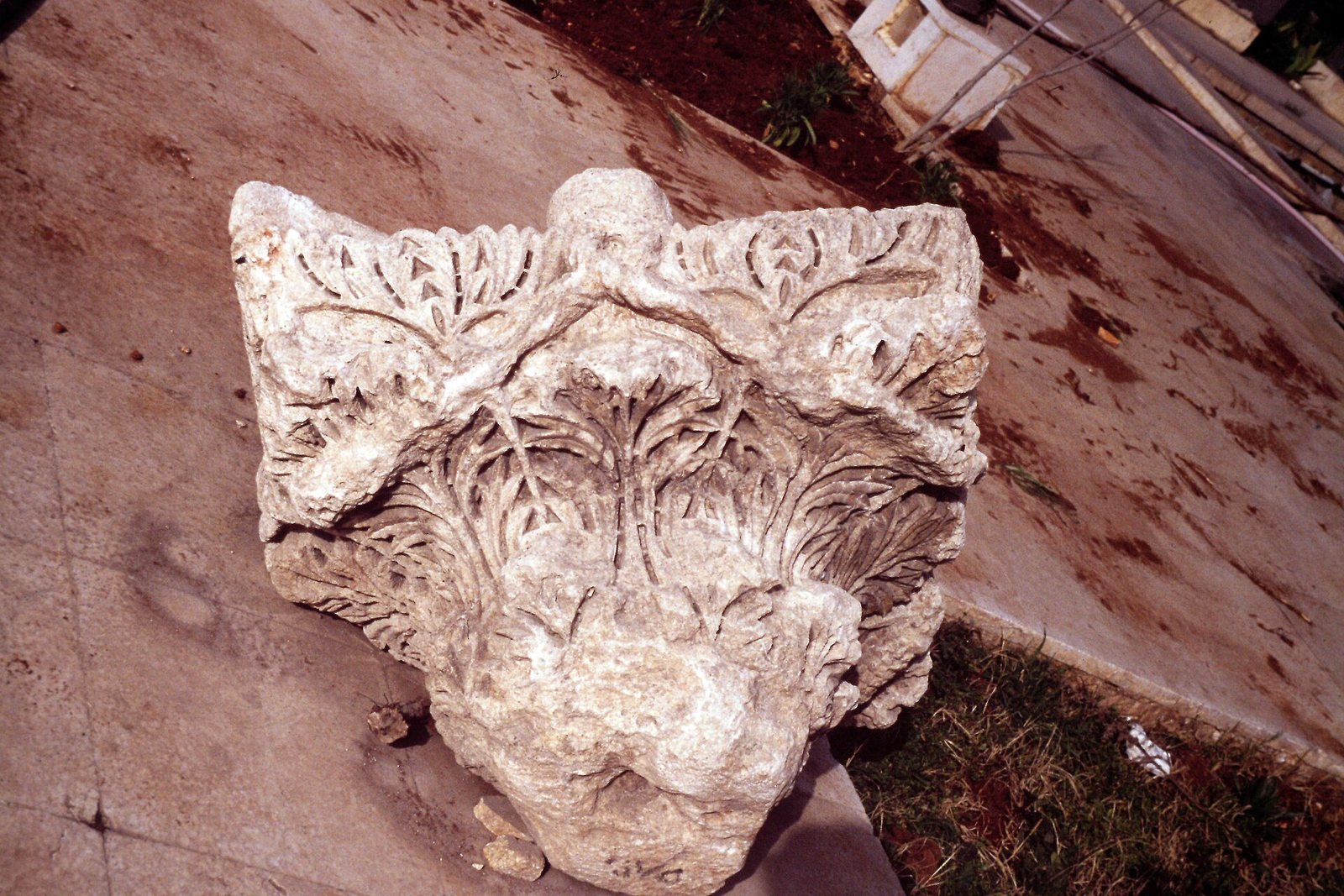
Photos: No machine-readable author provided. Xvlun~commonswiki assumed (based on copyright claims). — via Wikimedia Commons (CC BY-SA) · Marina Milella — via Wikimedia Commons (CC BY-SA)
Syria Trails — An interactive geographic and heritage atlas of Syria: a map that walks down from the country to the district, landmarks with their story and era, curated trails and a passport for your visits.