Mausoleum of Saladin
ضريح صلاح الدين الأيوبي
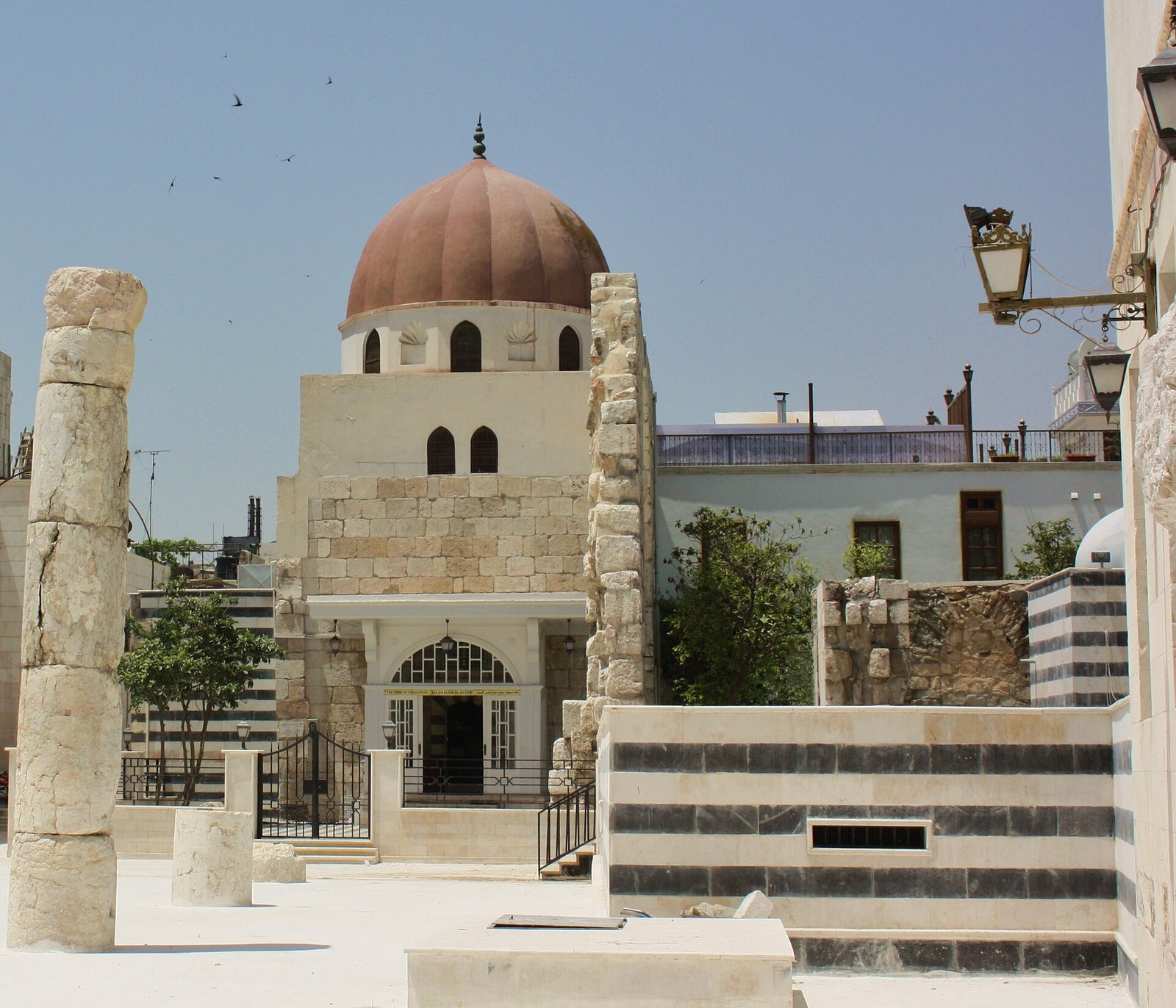
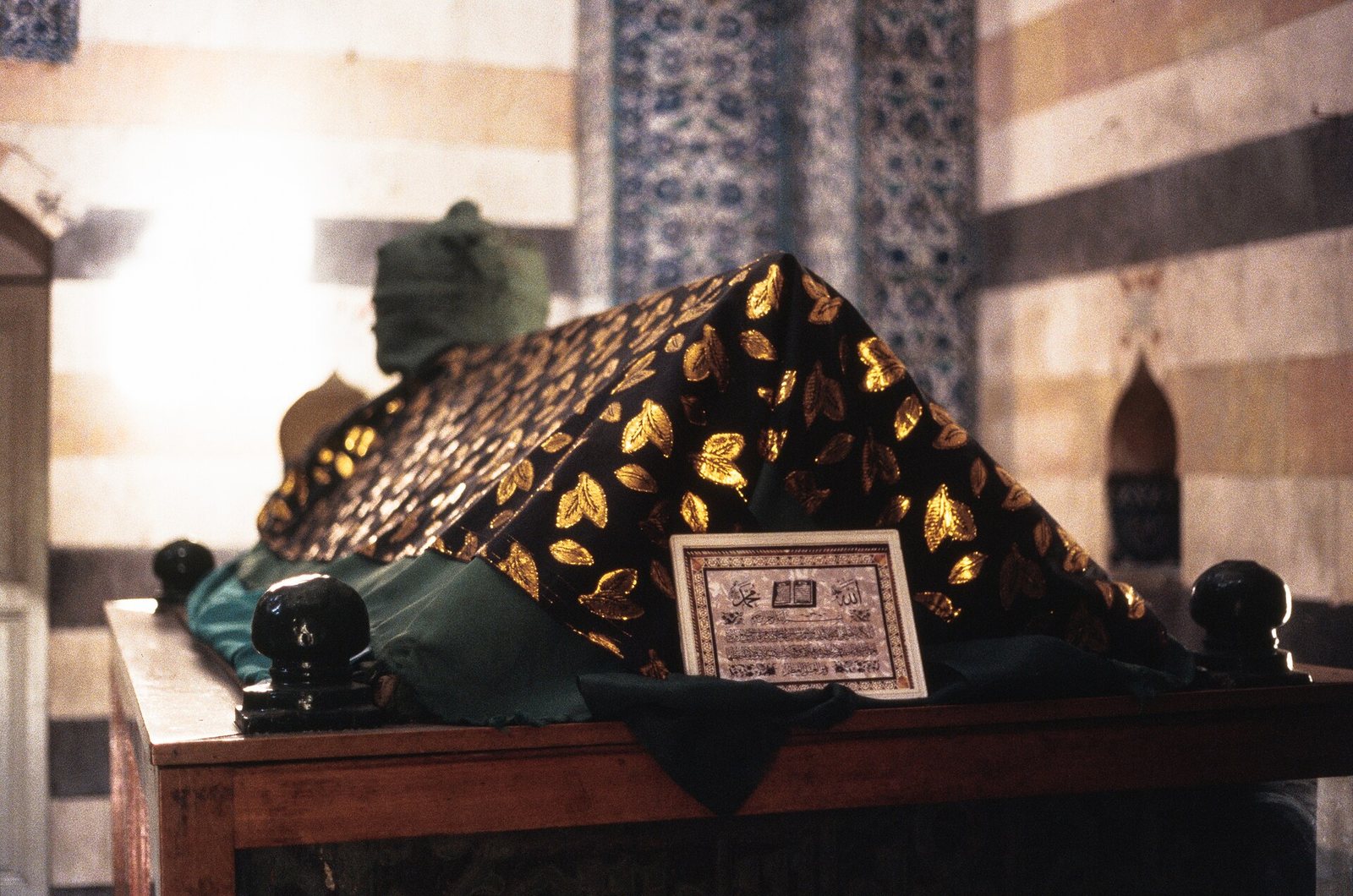
Saladin's resting place beside the Umayyad Mosque: a small Ayyubid domed tomb holding his original wooden cenotaph and a later marble one.
In a small garden against the northern wall of the Umayyad Mosque lies Saladin (Salah al-Din Yusuf ibn Ayyub), the sultan who united Egypt and Syria and recaptured Jerusalem in 1187. He died in Damascus in 1193 and was later laid to rest in this tomb, attached to an Ayyubid school known as al-Aziziyya after his son al-Malik al-Aziz.
The building is modest for so famous a figure: a square chamber under a ribbed, red-painted dome. Inside stand two cenotaphs side by side. The carved wooden one is the original Ayyubid cenotaph; the white marble one was attributed to Sultan Abdulhamid II or to the German Emperor Wilhelm II, who visited Damascus in 1898, while the remains stayed in the wooden one.
The mausoleum was built in 1196, three years after Saladin's death, beside the Umayyad Mosque. The complex included the al-Aziziyya madrasa, of which only a few columns and an inner arch beside the renovated tomb remain. Saladin, founder of the Ayyubid state, was born in Tikrit about 1137, and the wooden cenotaph is said to hold his remains.
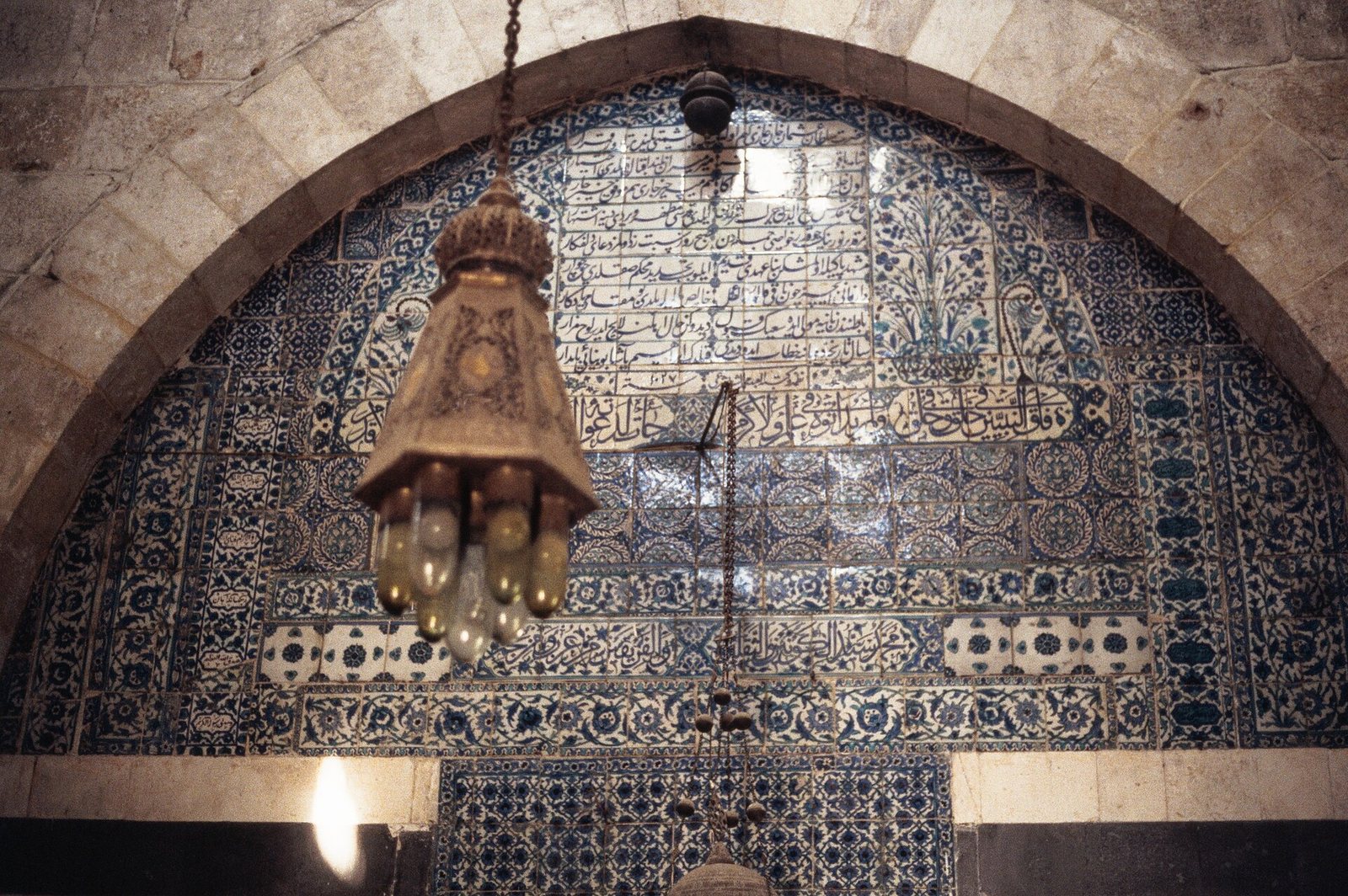
Ottoman-era tiles line the interior walls. The tomb lies within the Ancient City of Damascus World Heritage property, beside the Umayyad Mosque.
Note: photos may not reflect the site's current condition.
For the visitor
Location: 33.5121, 36.3059 · Open on the map
Photos
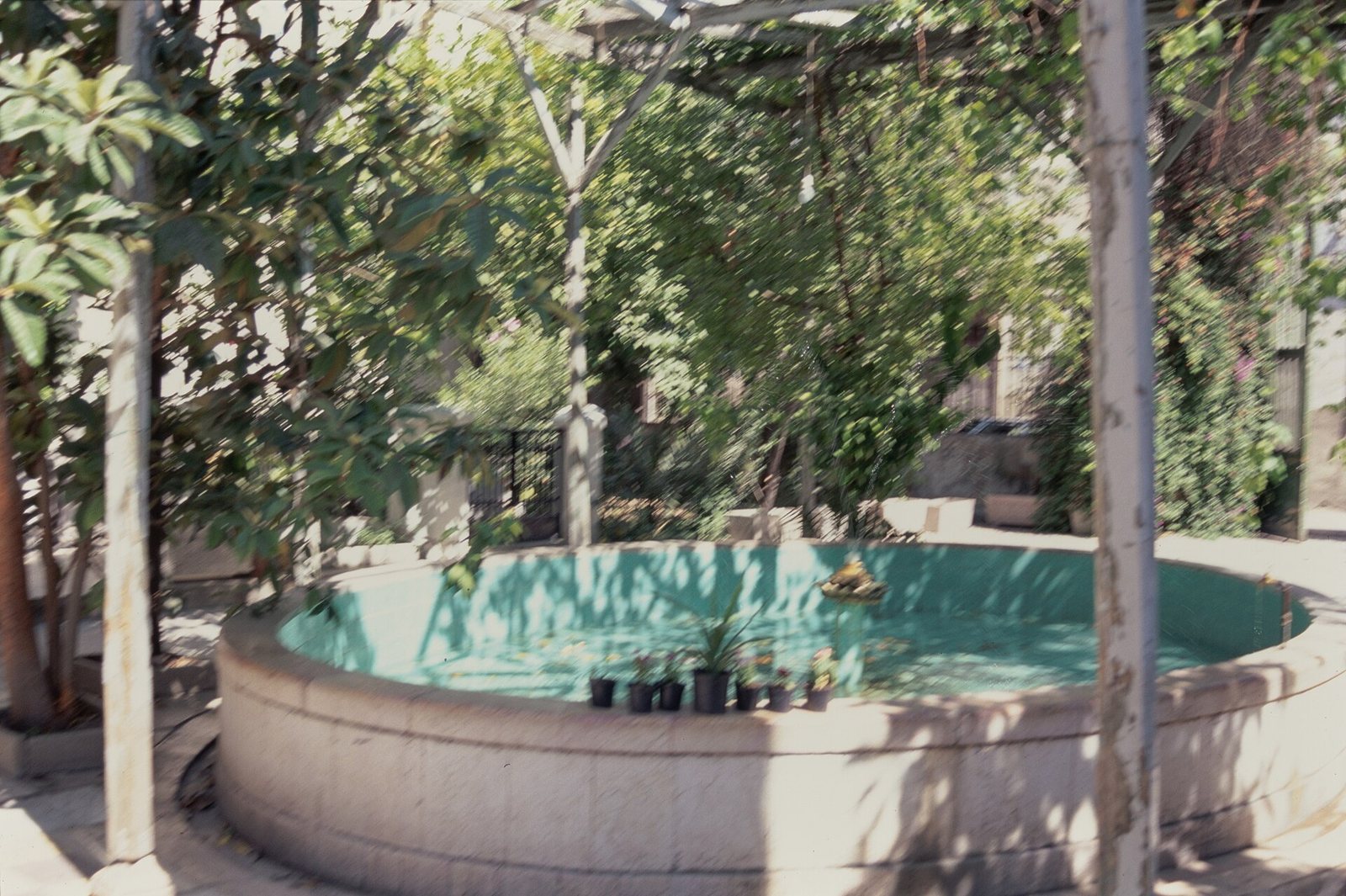
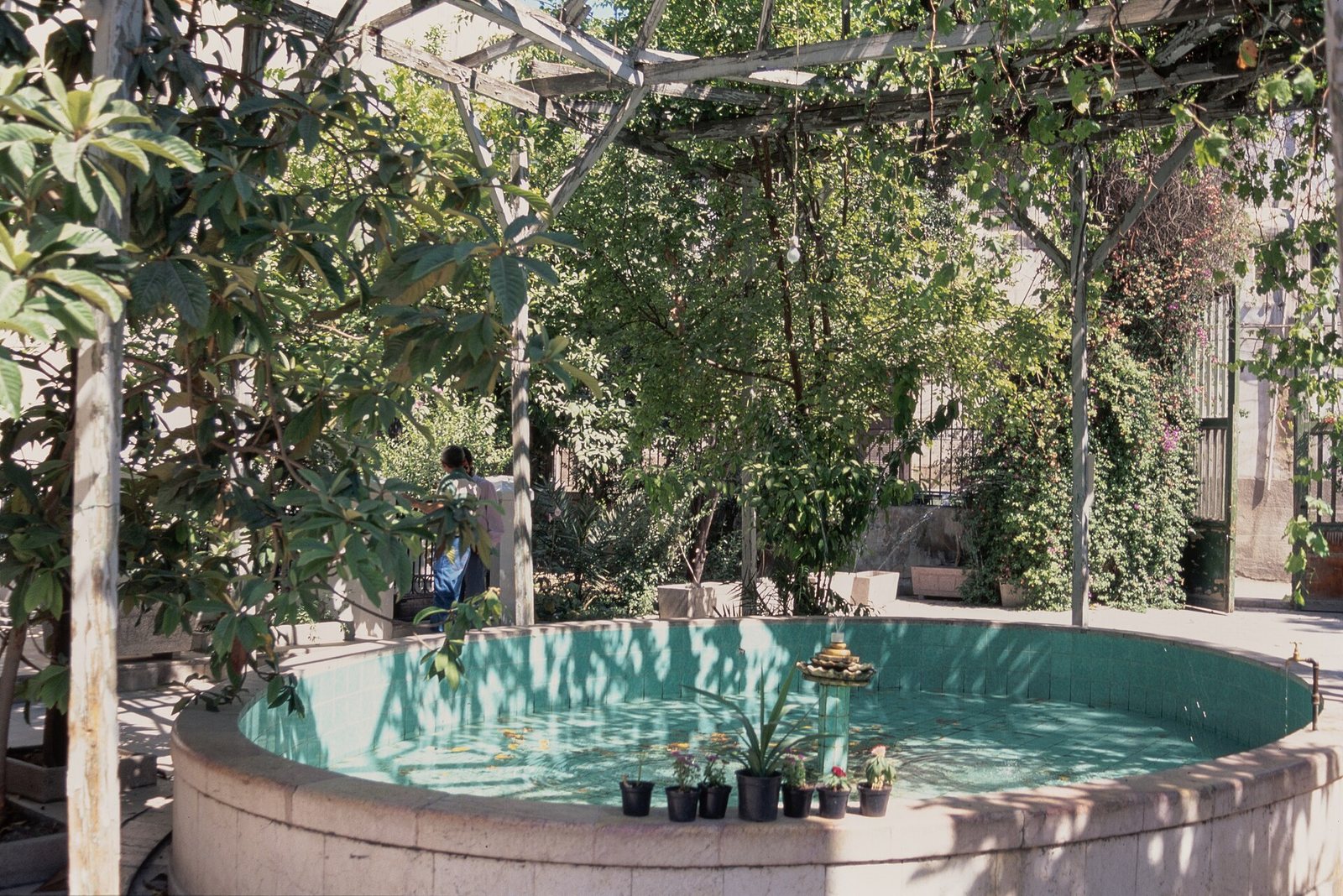
Photos: Jan Smith — via Wikimedia Commons (CC BY) · Frank Kidner — via Wikimedia Commons (CC BY-SA)
Syria Trails — An interactive geographic and heritage atlas of Syria: a map that walks down from the country to the district, landmarks with their story and era, curated trails and a passport for your visits.