Mari (Tell Hariri)
ماري (تل الحريري)
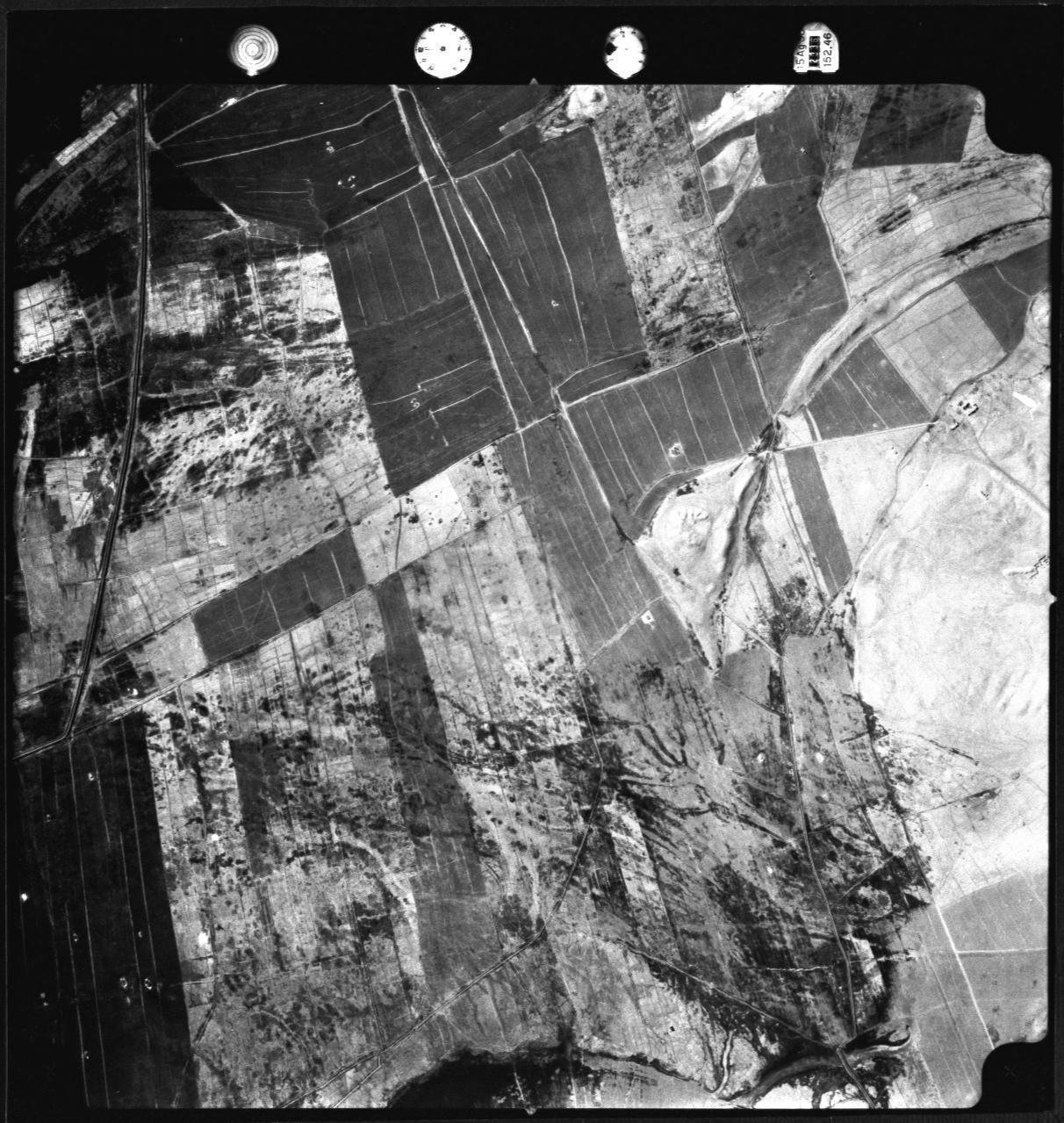
Bronze Age kingdom on the Euphrates near Abu Kamal, famous for the palace of Zimri-Lim and a huge cuneiform archive; destroyed by Hammurabi.
On the west bank of the Euphrates near Abu Kamal in Deir ez-Zor governorate, Tell Hariri hides Mari, one of the great Bronze Age kingdoms of Syria and Mesopotamia. Founded early in the third millennium BC, it thrived on river trade between the Gulf, the Mediterranean and Anatolia.
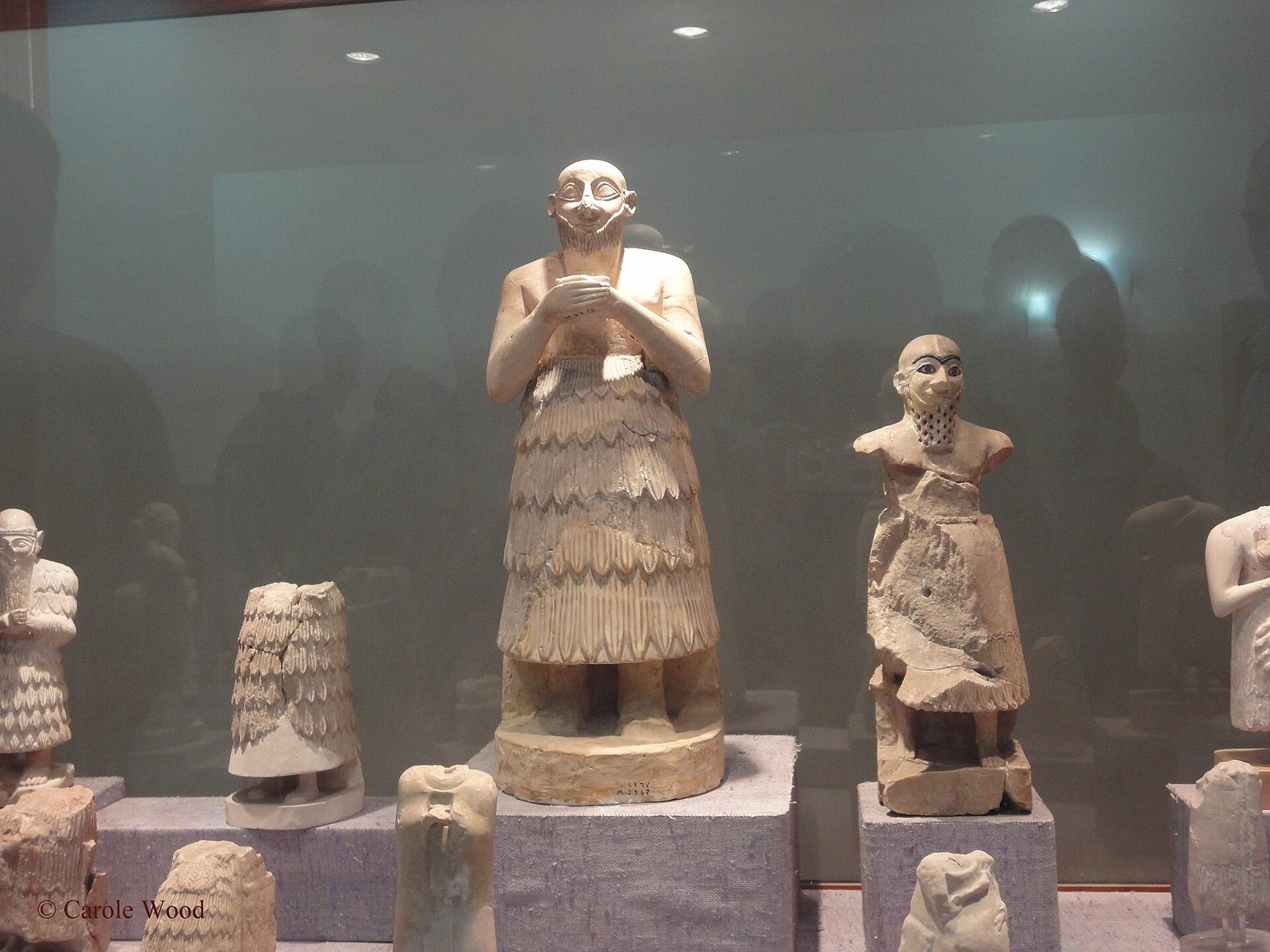
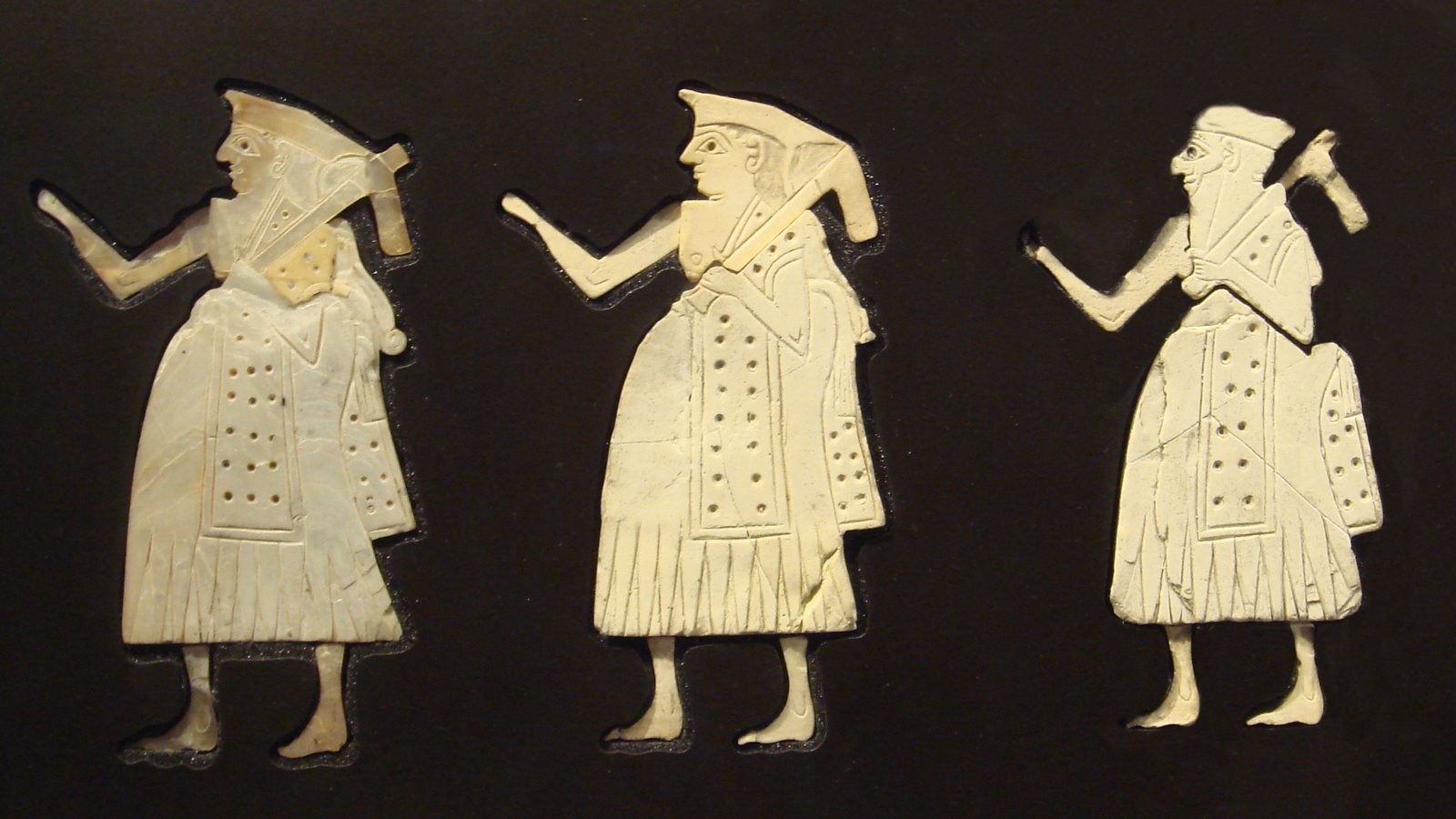
Discovered by chance in 1933, it was excavated for decades by French missions led by André Parrot, revealing temples to deities such as Ishtar, the famous wide-eyed worshipper statues and a vast royal palace.
The tell lies about 11 km north-west of Abu Kamal. Mari flourished between about 2900 and 1759 BC as a trade centre and hegemonic state; it was abandoned once in the mid-26th century BC and rebuilt as the capital of an East Semitic state that fought a long war with Ebla, until the Akkadians destroyed it and appointed a military governor who became independent when the Akkadian empire collapsed. Excavations found a circular inner rampart about 6.7 metres thick and 8 to 10 metres high with towers, and a street running from the centre to a city gate.
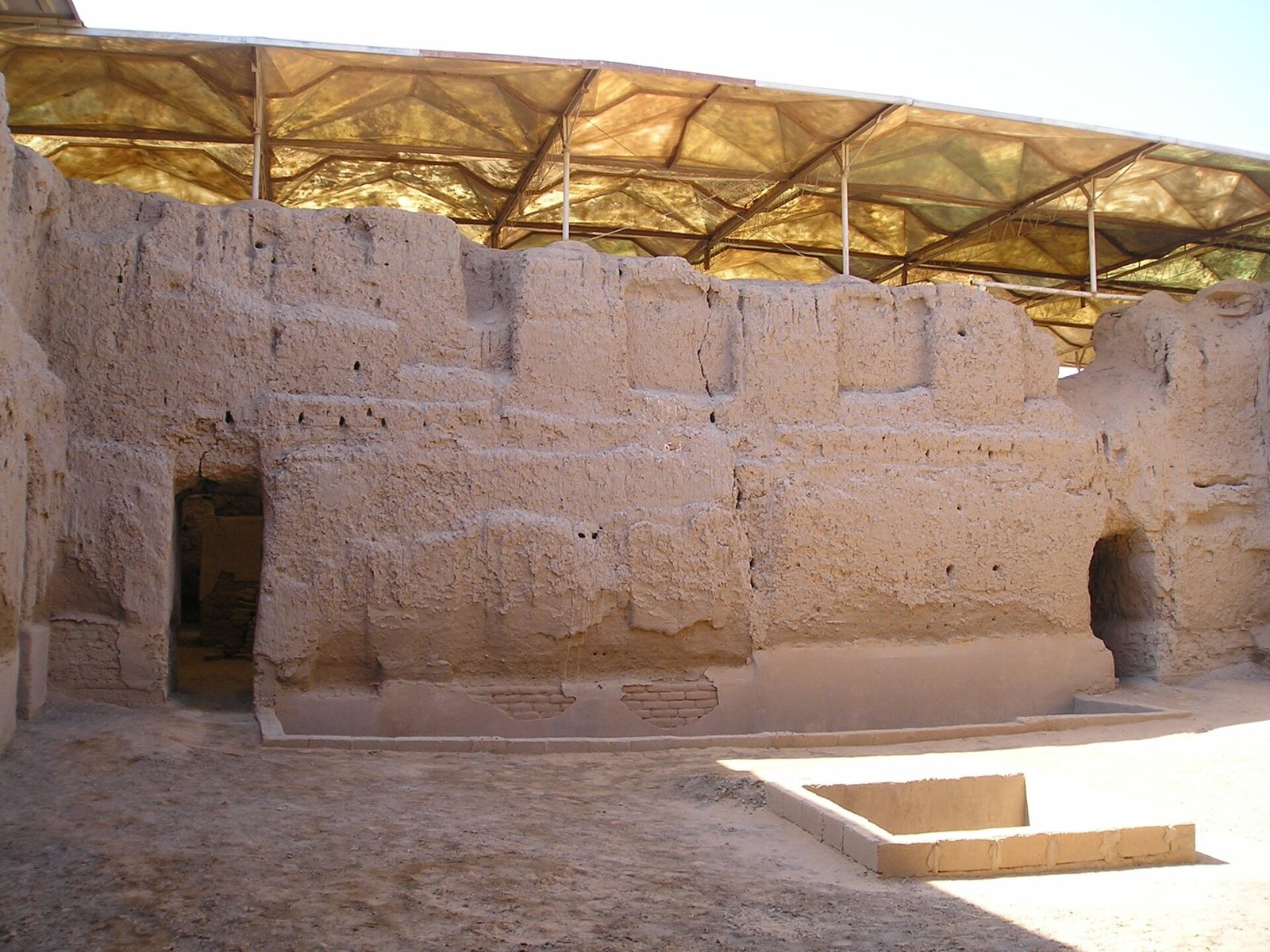
The palace of King Zimri-Lim, with hundreds of rooms, courtyards and painted murals, yielded an enormous archive of tens of thousands of cuneiform tablets on 18th-century BC politics, diplomacy, economy and daily life. The city's golden age ended when Hammurabi of Babylon destroyed it. Its finds are in Damascus, Aleppo, Deir ez-Zor and the Louvre.
Note: photos may not reflect the site's current condition.
For the visitor
Location: 34.5494, 40.8900 · Open on the map
Photos
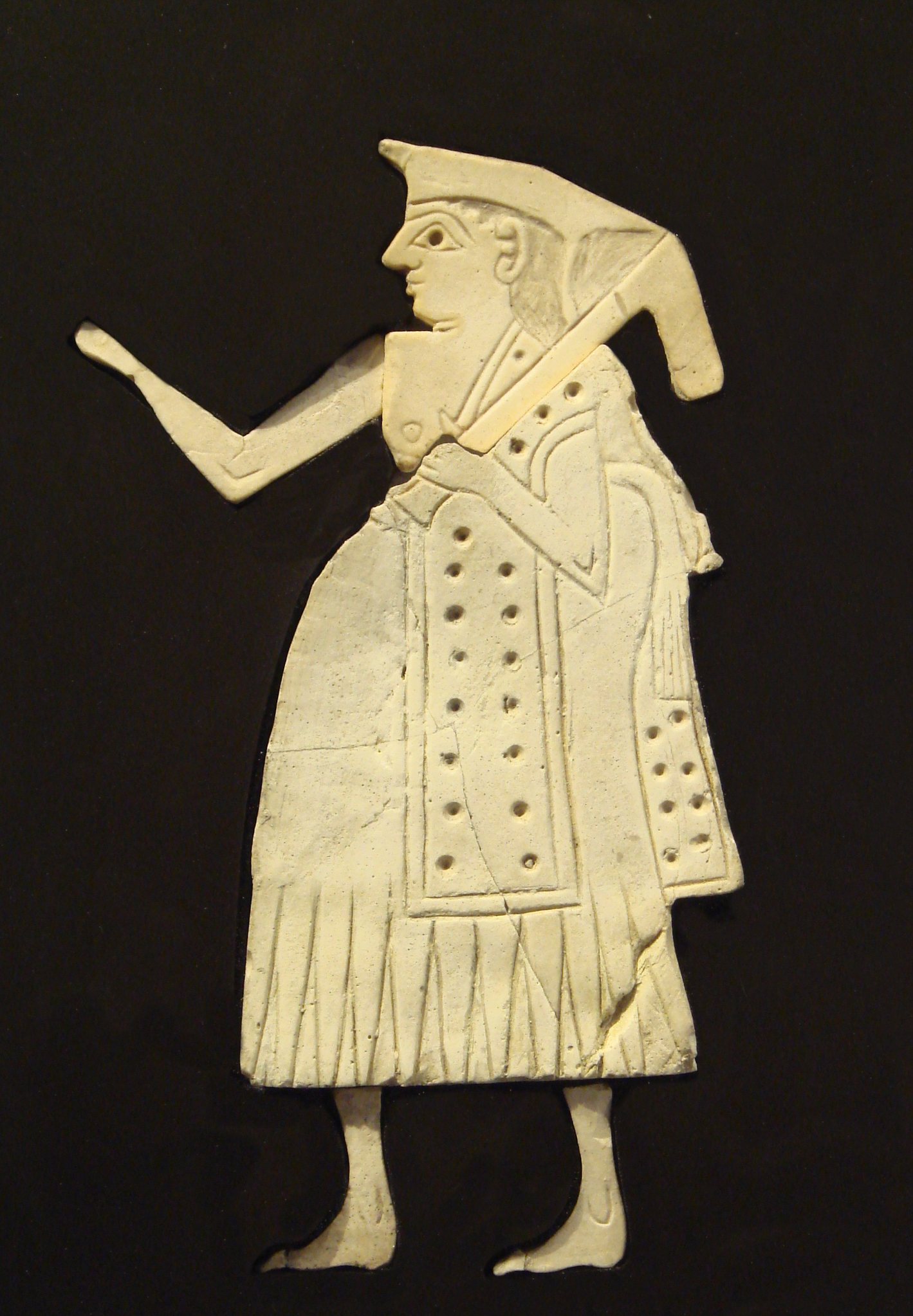
Photos: Institut Français Du Proche-Orient (ifpo) — via Wikimedia Commons (Licence Ouverte) (CC BY) · Michel & Carole ALCAMO — via Wikimedia Commons (CC BY-SA) · Heretiq — via Wikimedia Commons (CC BY-SA) · ALFGRN — via Wikimedia Commons (CC BY-SA)
Syria Trails — An interactive geographic and heritage atlas of Syria: a map that walks down from the country to the district, landmarks with their story and era, curated trails and a passport for your visits.