Latakia Tetraporticus (Arch of Septimius Severus)
قوس النصر في اللاذقية
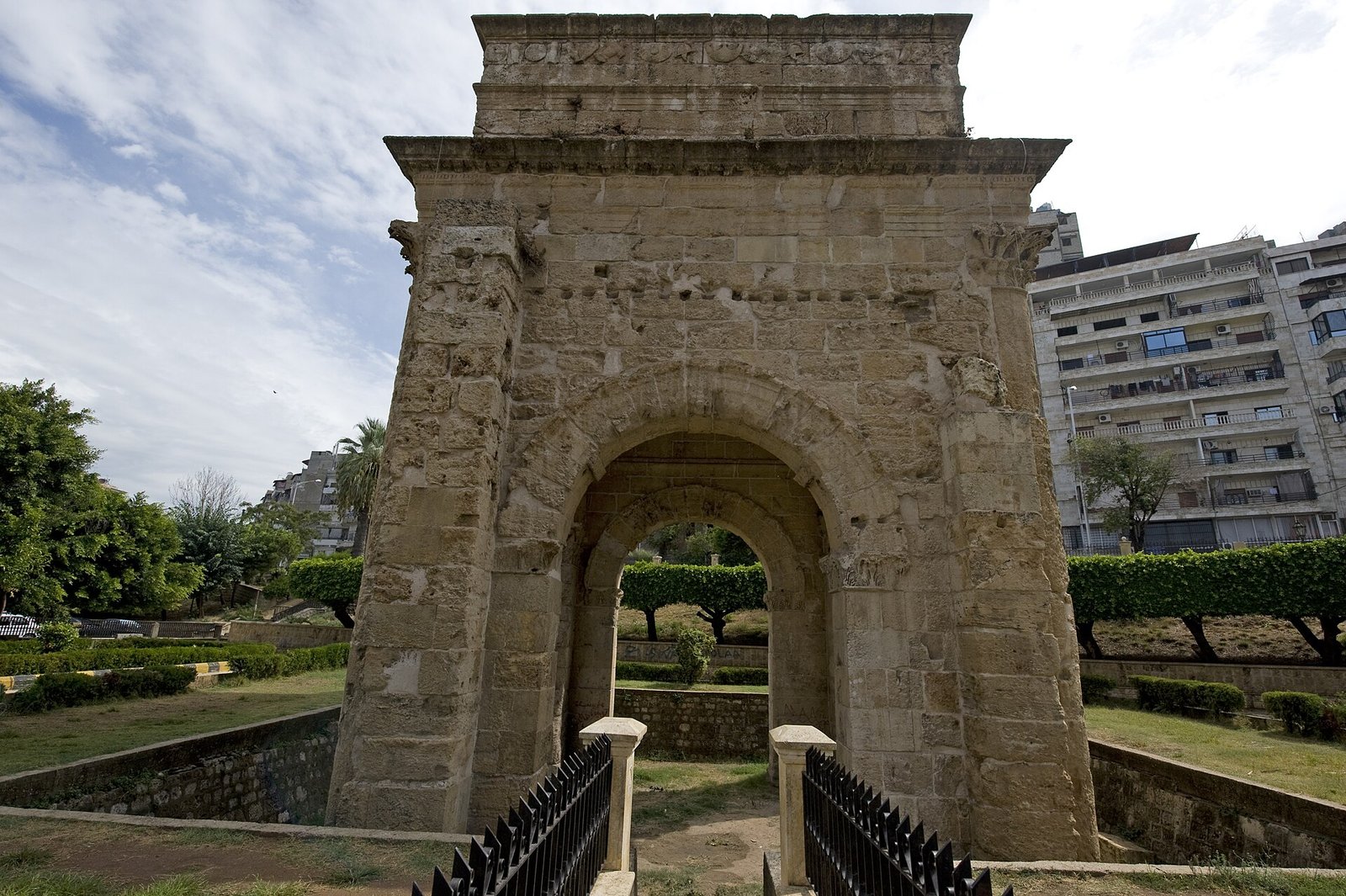
A four-way Roman arch of the 2nd century AD, attributed to Emperor Septimius Severus, and a symbol of the city of Latakia.
The Latakia Tetraporticus, or Arch of Septimius Severus, stands in the south-east of Latakia and is the city's best-known ancient monument and one of its symbols. It dates from Roman times, when the city was Laodicea on the Sea, a thriving port whose hills were so covered in vines that the geographer Strabo wrote it supplied most of Alexandria's wine.
It is attributed to Emperor Septimius Severus, who rewarded the city for taking his side in the struggle for the throne: he gave it the title of Metropolis, exempted it from taxes, fortified it and, it is said, made it for some years the capital of Roman Syria. Scholars date the arch to the 2nd century AD, though sources differ on the exact year; hence its popular name, the Arch of Victory.
Built of sandstone on a square plan about 12 metres on a side, it has four openings of differing width, each crowned by a finely cut arch resting on columns with Corinthian capitals. Its faces carry relief carvings of victory insignia: swords, shields, helmets and spears.
It probably marked the eastern end of the Roman city, since scattered Roman columns lie in the streets around it, and its sturdy cubic shape helped it survive the earthquakes that struck the ancient town. In later centuries part of it was buried and it was used for a time as a mosque, its openings walled up, with houses crowded around it, before the added walls were cleared and parts restored. Locals also call it the "Hanging Church" and the "Square Arch".
It stands in the Salibeh quarter on Port Said Street, among the modern districts, a Roman witness in the middle of everyday Latakia.
Note: photos may not reflect the site's current condition.
For the visitor
Location: 35.5139, 35.7821 · Open on the map
Photos
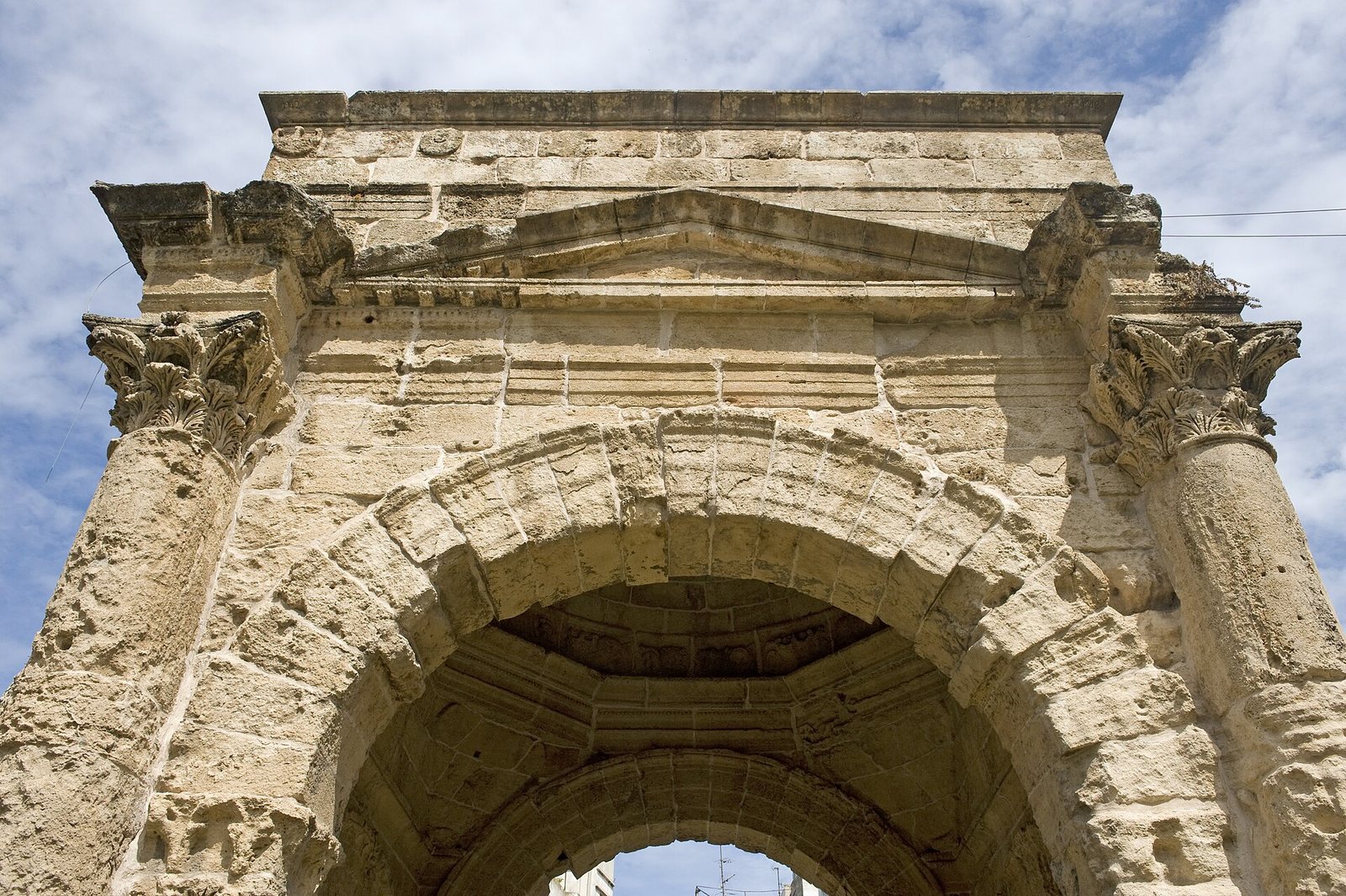
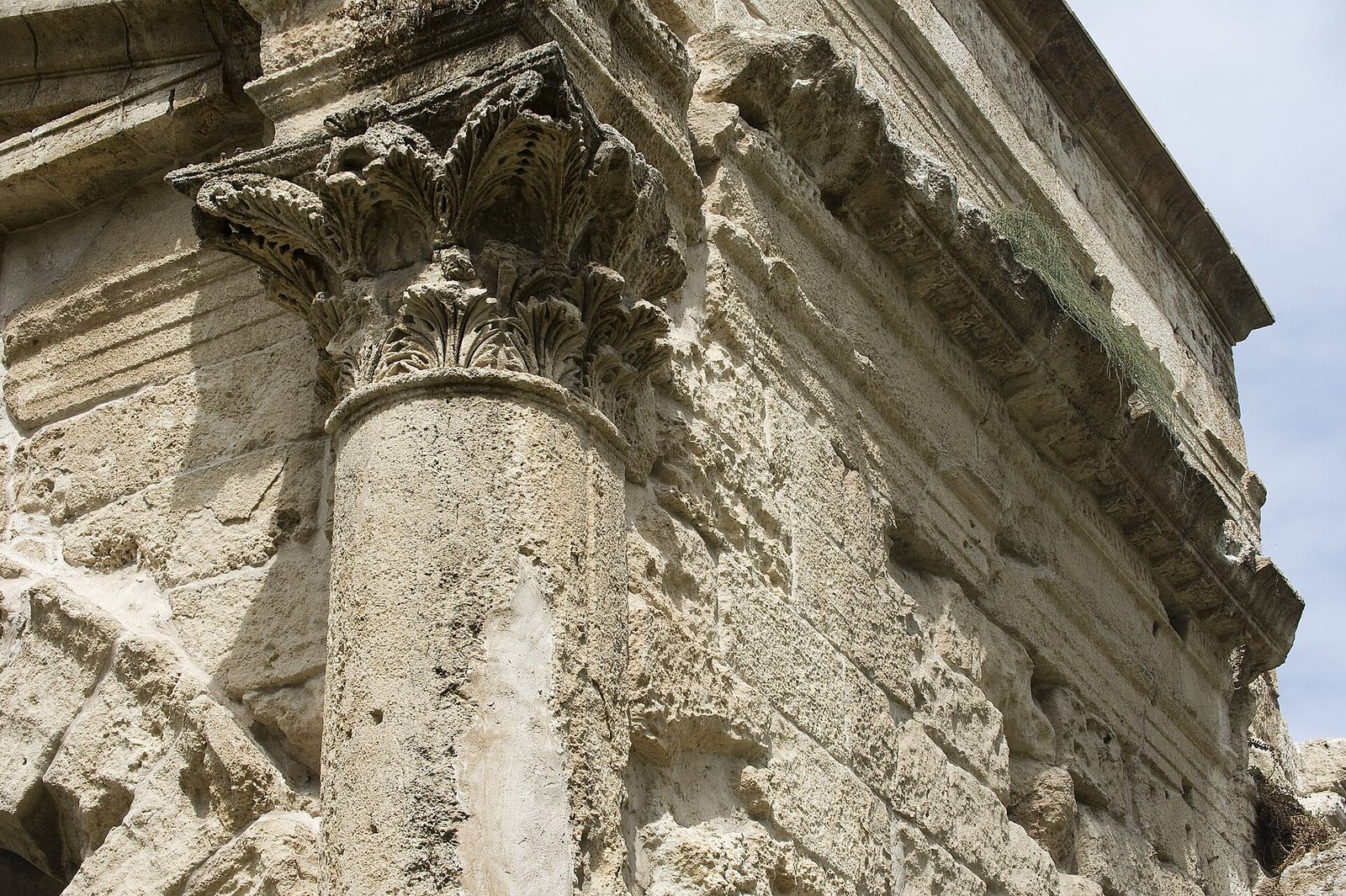
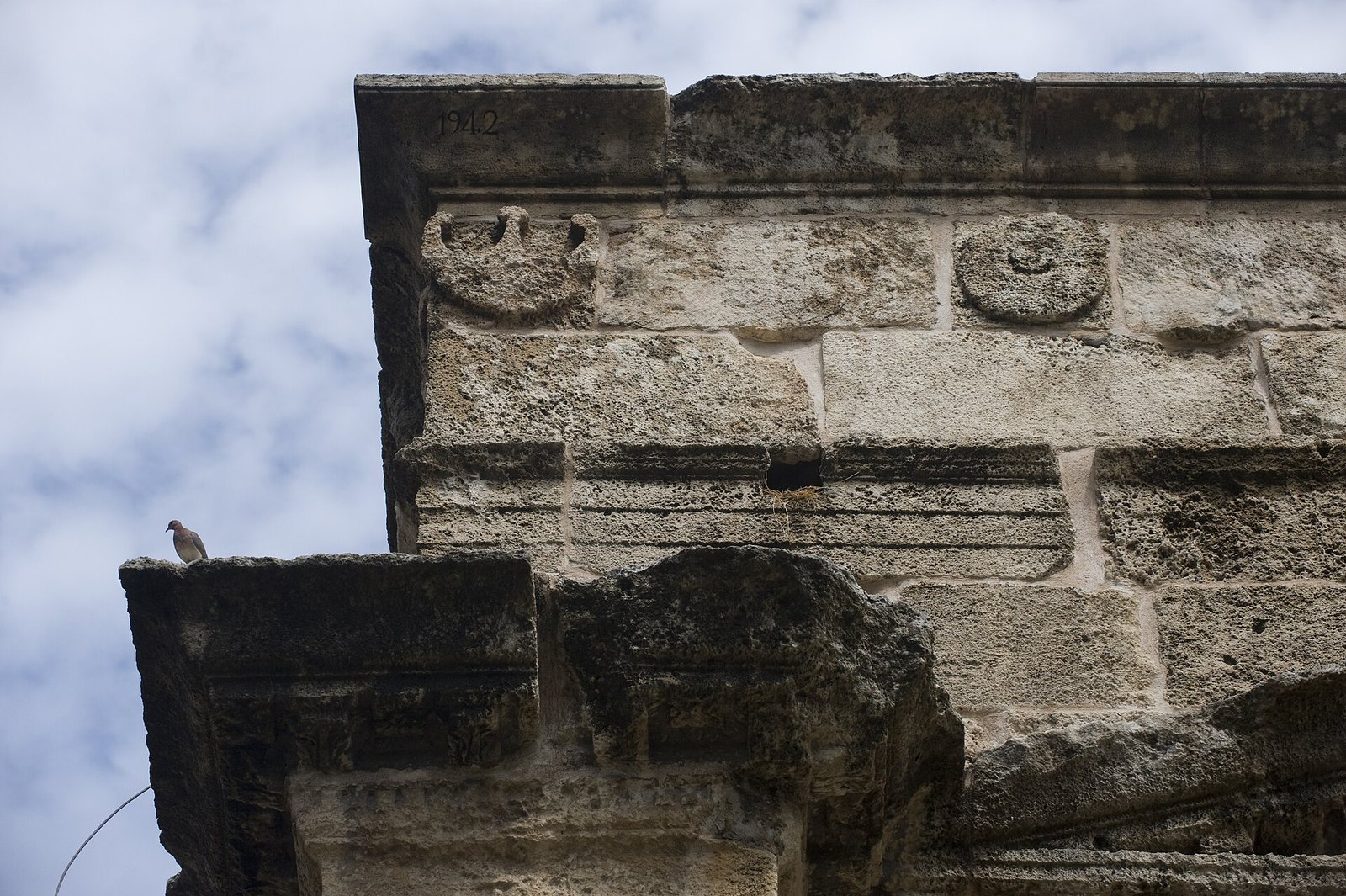
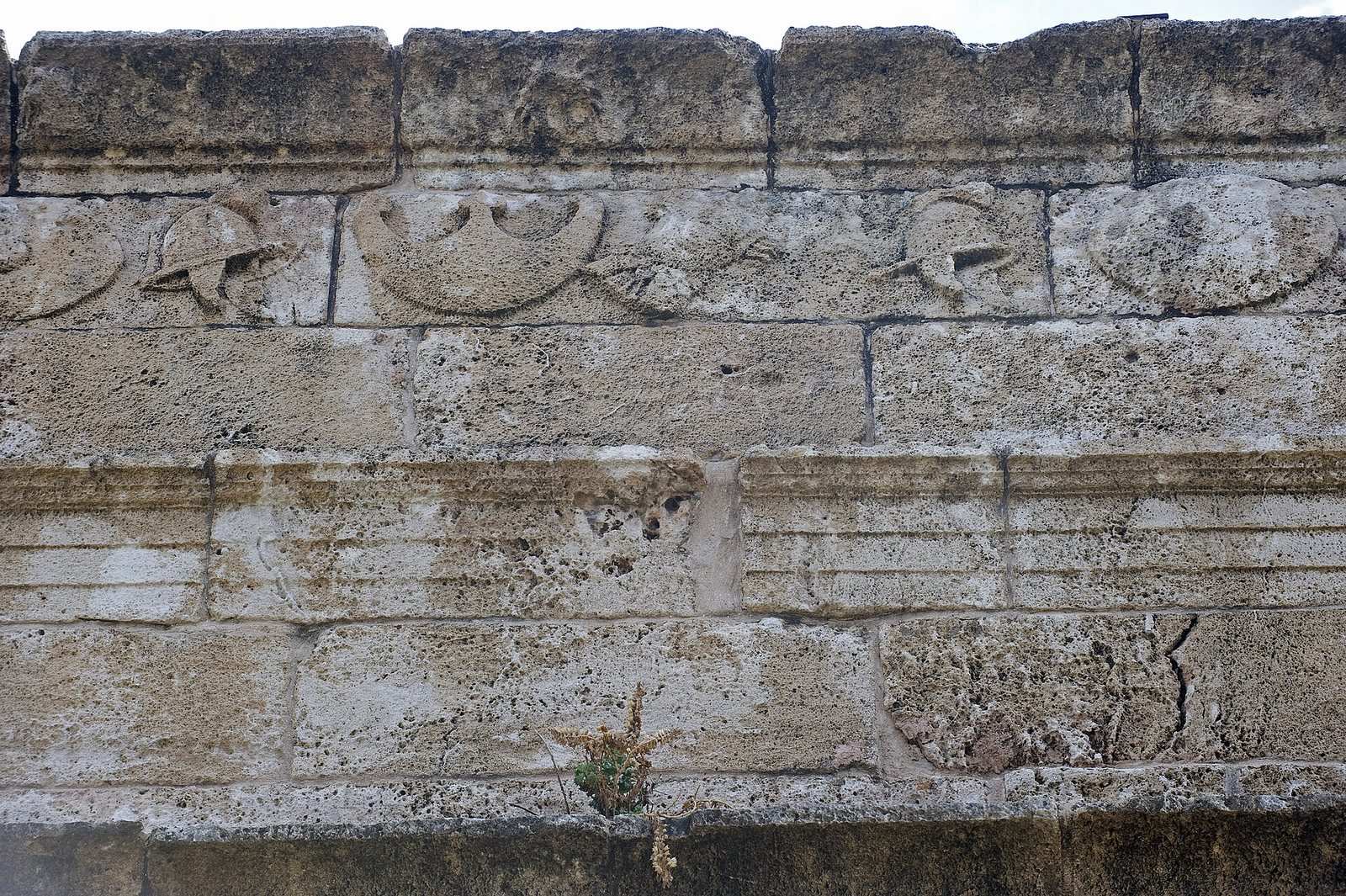
Photos: Dosseman — via Wikimedia Commons (CC BY-SA)
Syria Trails — An interactive geographic and heritage atlas of Syria: a map that walks down from the country to the district, landmarks with their story and era, curated trails and a passport for your visits.