Ebla
إيبلا
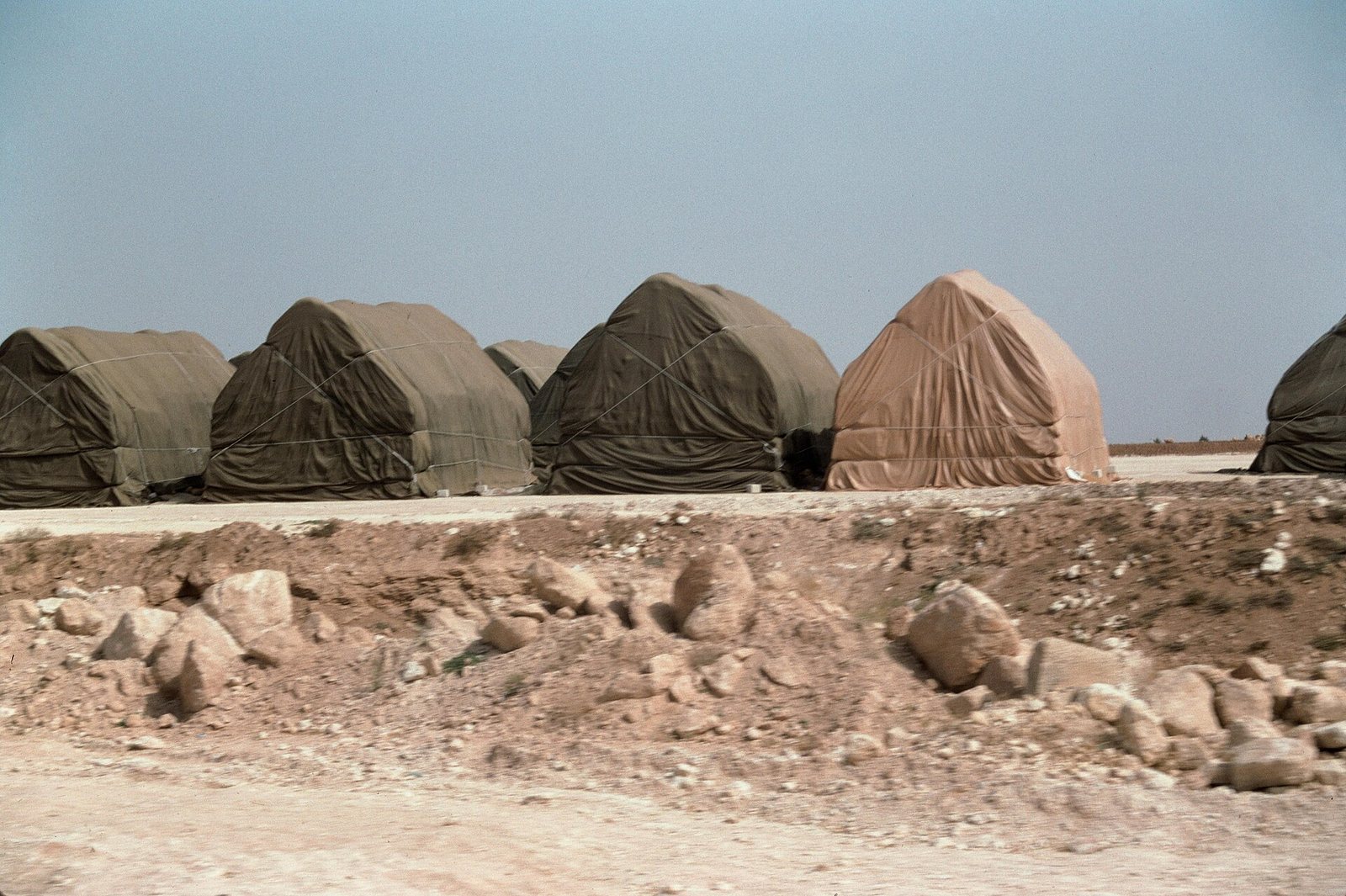
A Bronze Age Syrian kingdom famous for the discovery of a massive royal archive of cuneiform tablets documenting Eblaite, one of the earliest known Semitic languages.
Ebla (Tell Mardikh) is a Bronze Age city in Idlib Governorate, one of the earliest known kingdoms in Syria, which reached its first peak of prosperity around 2400–2300 BCE.
Ebla became world-famous after an Italian archaeological mission led by Paolo Matthiae discovered the royal palace archive in 1974–1975, containing more than fifteen thousand clay tablets and fragments written in Sumerian cuneiform script but recording the "Eblaite language," one of the earliest known Semitic languages, closely related to Akkadian. The archive is considered one of the most important discoveries from the third millennium BCE.
The tablets revealed administrative and economic records and diplomatic correspondence, including what is considered one of the earliest known international peace treaties, as well as literary texts and bilingual Sumerian-Eblaite word lists — showing that Ebla was a major political and economic power controlling extensive trade networks across northern Syria and Mesopotamia.
Ebla began as a small settlement in the Early Bronze Age (about 3500 BC), grew into a trading empire and then an expansionist power that imposed its hegemony over much of northern and eastern Syria. After its destruction a second Ebla was reborn under a new dynasty, followed by a third, in which Amorite tribes settled and which became a subject and ally of Yamhad (today's Aleppo) until the Hittite king Mursili I destroyed it about 1600 BC. It kept its prosperity through a vast trading network: artefacts from Sumer, Cyprus, Egypt and as far as Afghanistan were found in its palaces. It had its own language, Eblaite, a political organisation unlike the Sumerian model, women of special standing and a queen of great influence in state and religious affairs. The site has been excavated since 1964.
The first Eblaite kingdom was likely destroyed by the Akkadian Empire around 2300 or 2250 BCE, before a smaller second kingdom was later revived, which was itself destroyed around 1600 BCE. The site has been on UNESCO's Tentative List since 1999, though it has not yet been inscribed on the full World Heritage List.
Through the ages
Bronze Age: The first kingdom reached its peak around 2400-2300 BCE before its destruction by the Akkadian Empire
For the visitor
Location: 35.7980, 36.7980 · Open on the map
Photos
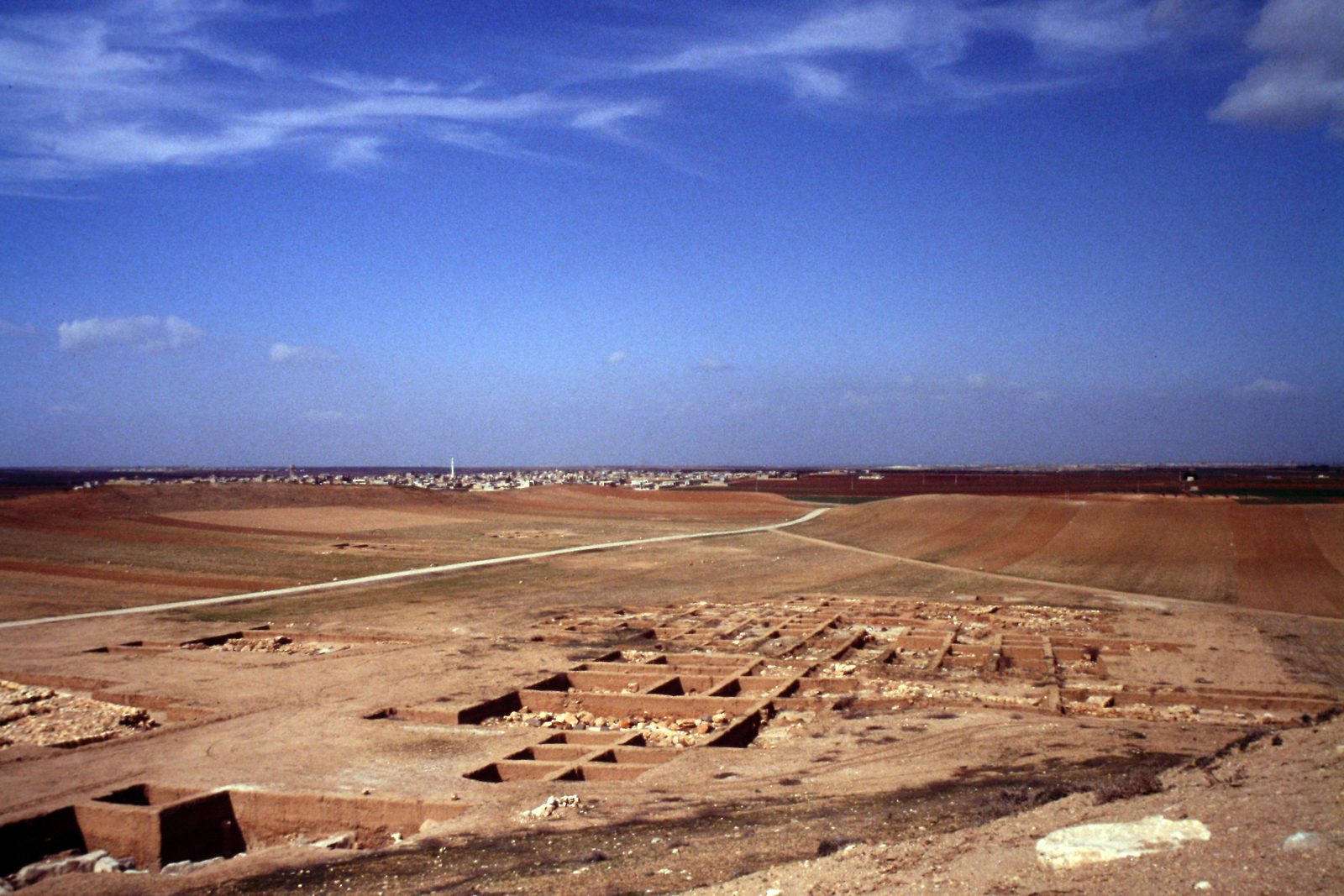
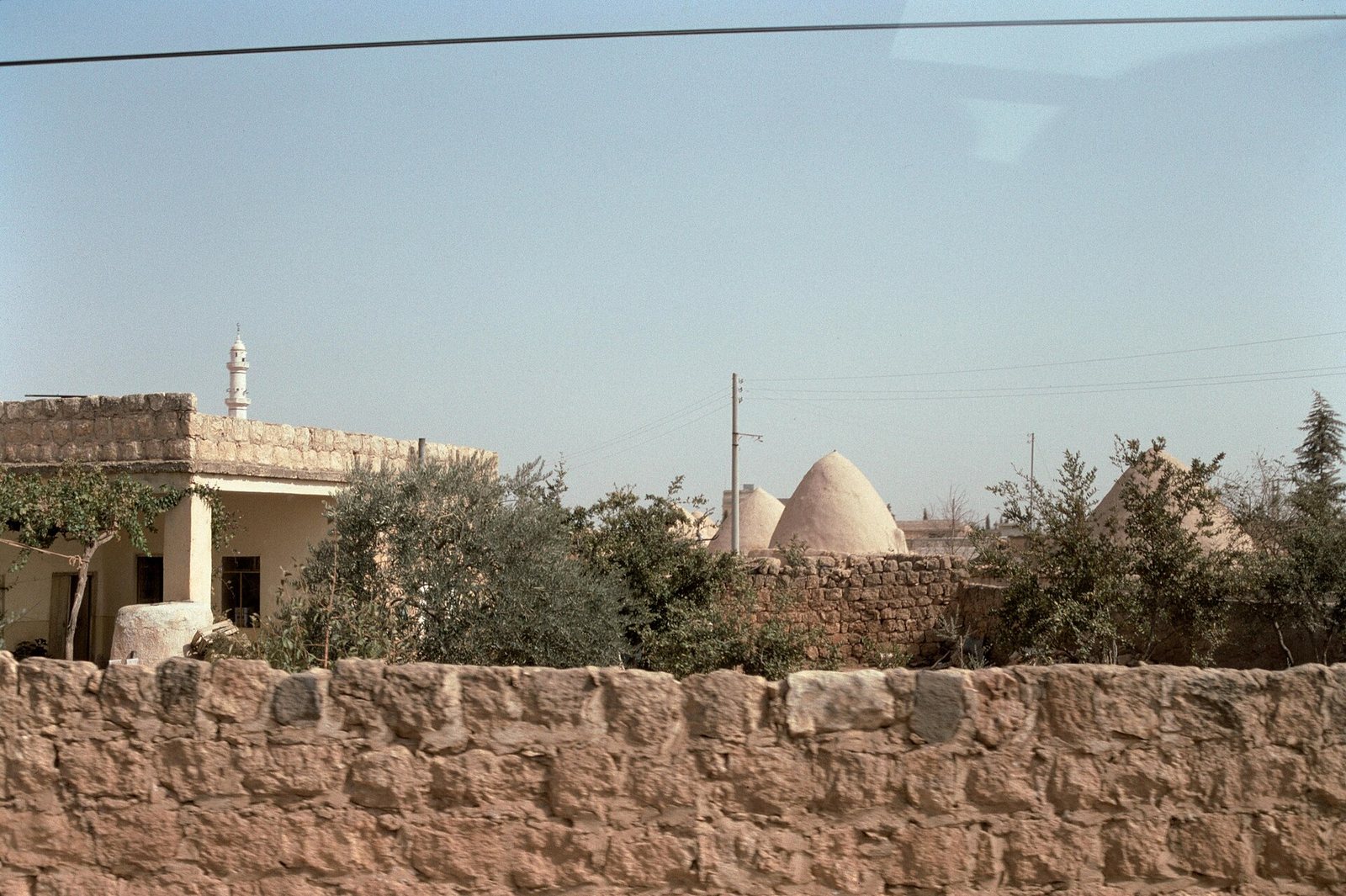
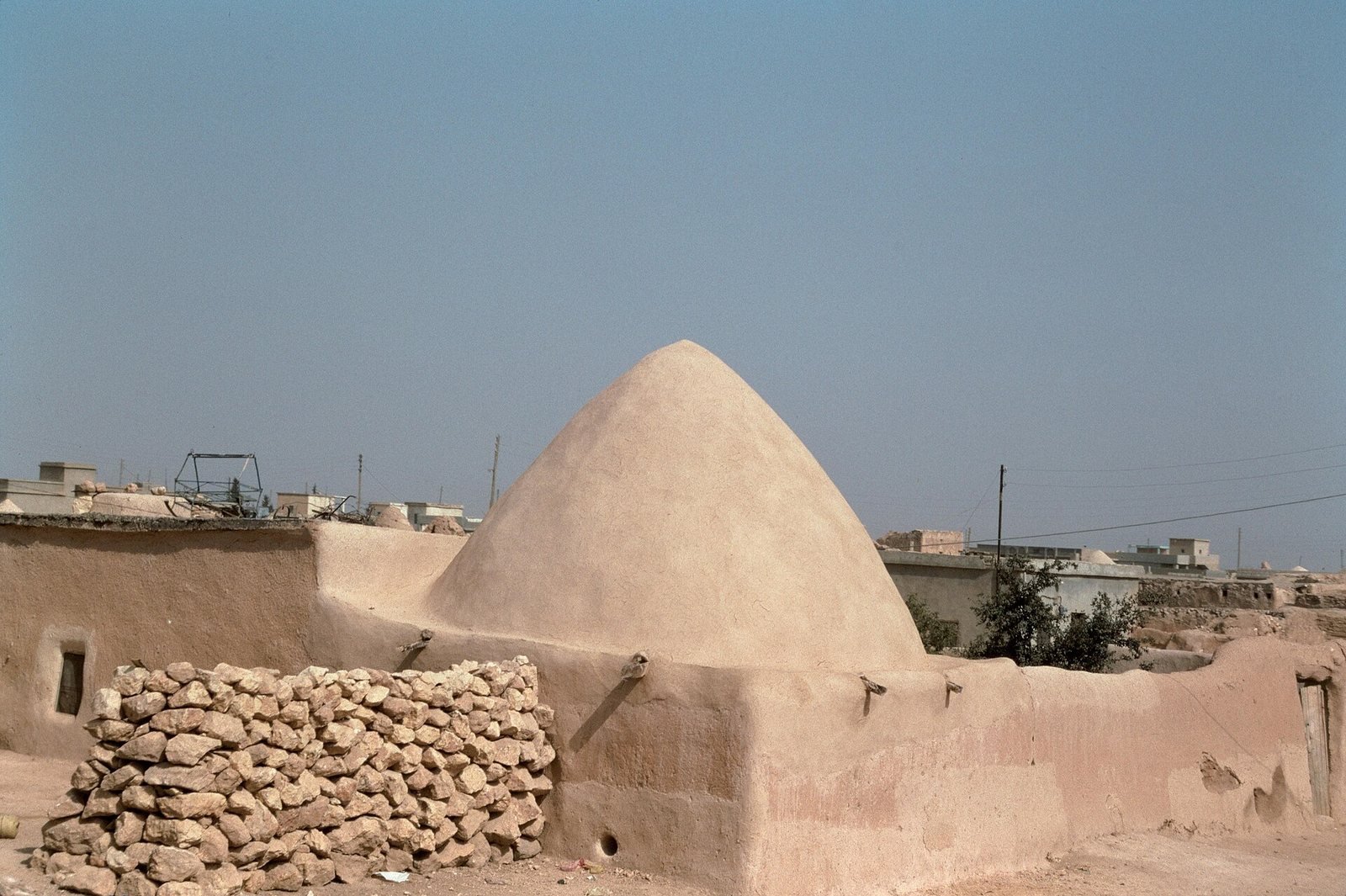
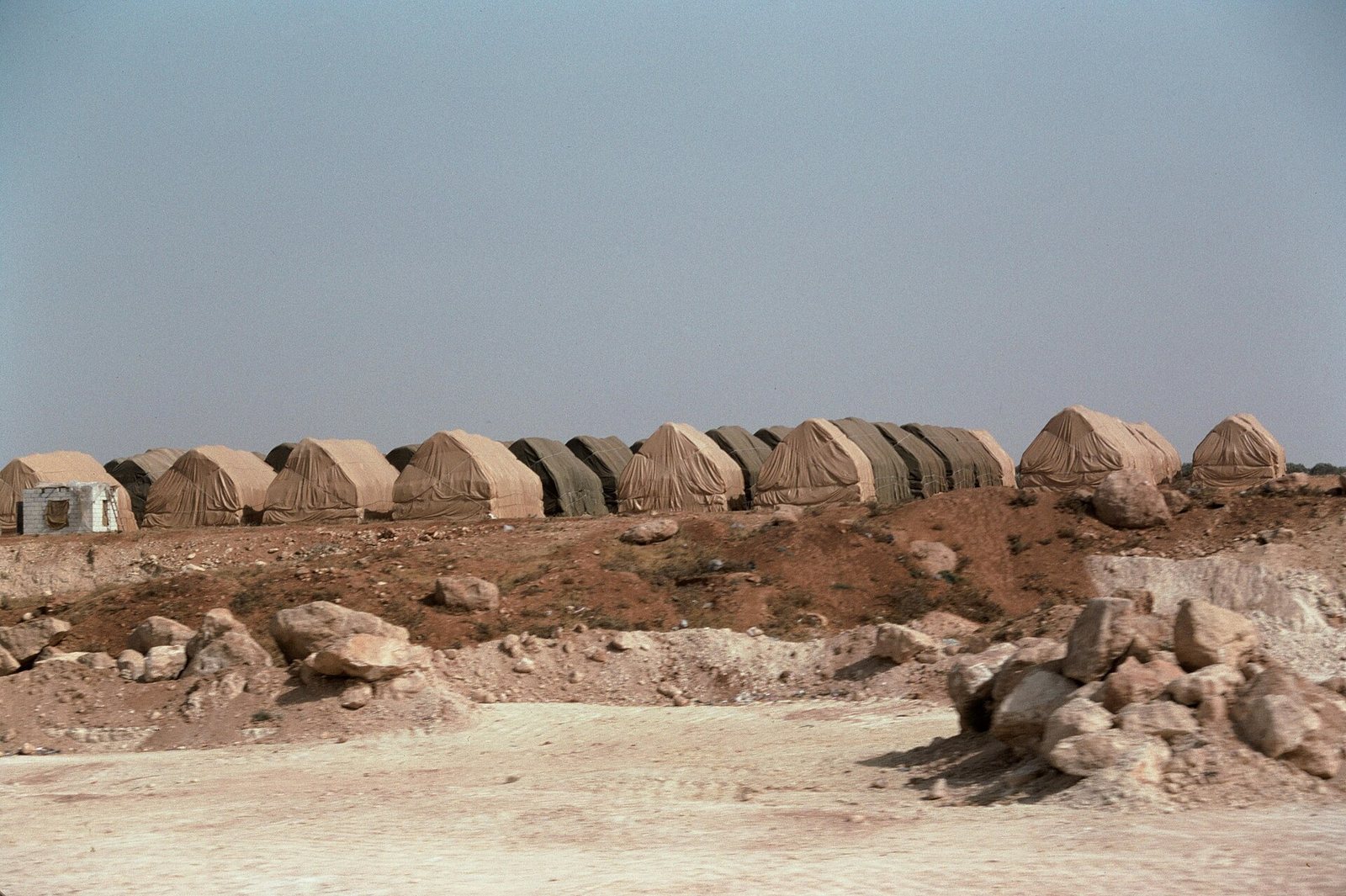
Photos: Frank Kidner — via Wikimedia Commons (CC BY-SA) · Marina Milella / DecArch — via Wikimedia Commons (CC BY-SA)
Syria Trails — An interactive geographic and heritage atlas of Syria: a map that walks down from the country to the district, landmarks with their story and era, curated trails and a passport for your visits.