Baghdad Gate, Raqqa
باب بغداد في الرقة
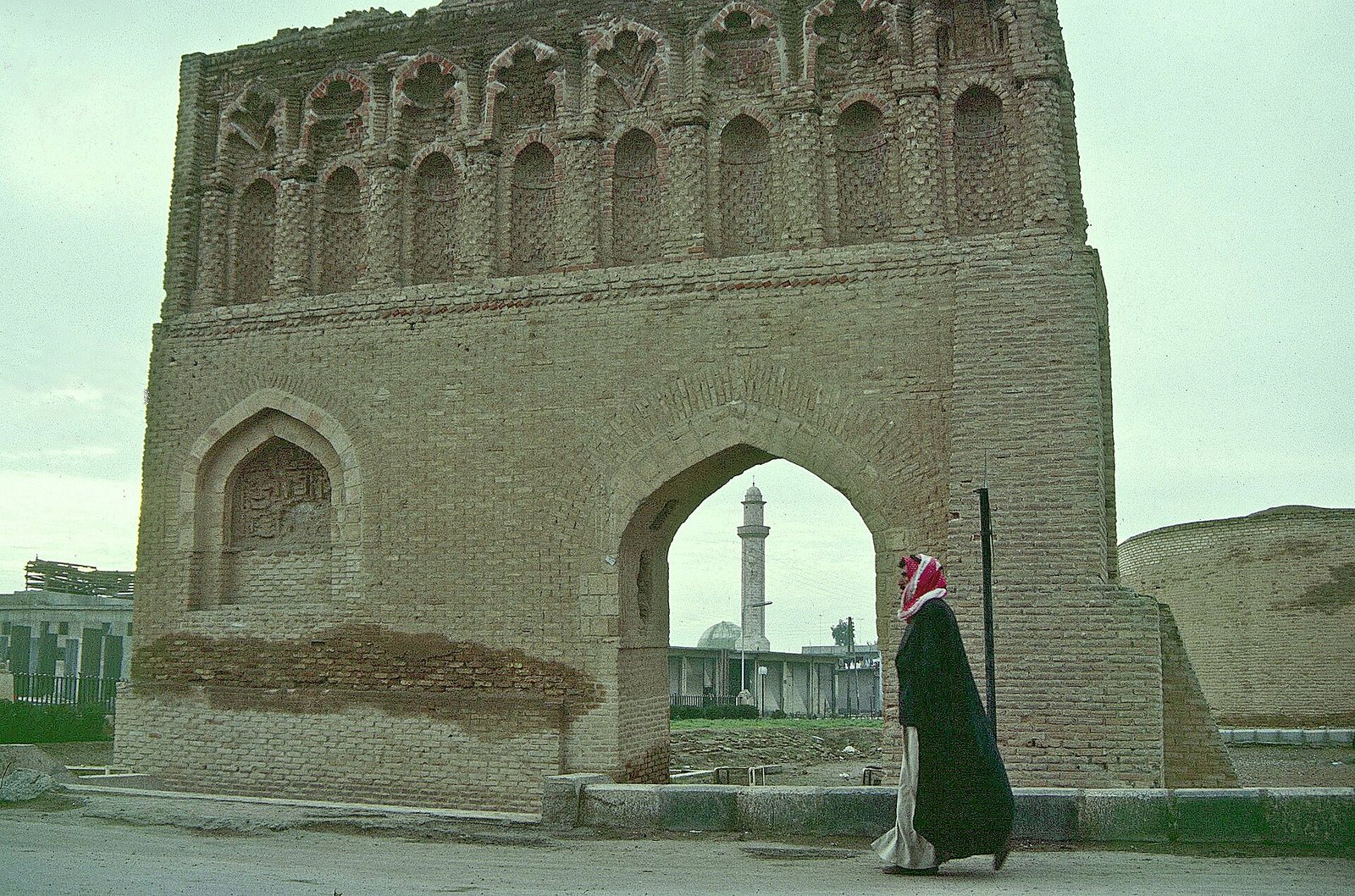
Decorated brick gate in the walls of the Abbasid city of al-Rafiqa founded by Caliph al-Mansur, later Harun al-Rashid's residence for a time.
In Raqqa's old walls stands Bab Baghdad, the brick gate that has become the city's symbol. It belongs to the walls of al-Rafiqa, the Abbasid city founded by Caliph al-Mansur in the 8th century on the Euphrates, planned like Baghdad.
Raqqa peaked when Harun al-Rashid made it his residence in the late 8th and early 9th centuries. Al-Rafiqa's horseshoe-shaped double wall had round towers and a moat. The fired-brick gate is decorated with rows of niches, arches and fine brickwork, one of the finest examples of Abbasid brick architecture, though its present form may reflect later renovations.
The caliph al-Mansur decided in 770–771 to build a new garrison city called al-Rafiqa about 200 metres west of Raqqa, as part of a general strengthening of the empire's fortifications, above all on the north-western frontier with the Byzantines. He sent his son and eventual successor al-Mahdi to supervise it, and workmen were brought from across Mesopotamia. Its congregational mosque was the first in the world built from scratch on a coherent, integrated plan, and influenced later mosque architecture.
It faced the road to Baghdad. Nearby are wall sections, the Great Mosque and its minaret, and Qasr al-Banat.
Note: photos may not reflect the site's current condition.
For the visitor
Location: 35.9447, 39.0167 · Open on the map
Photos
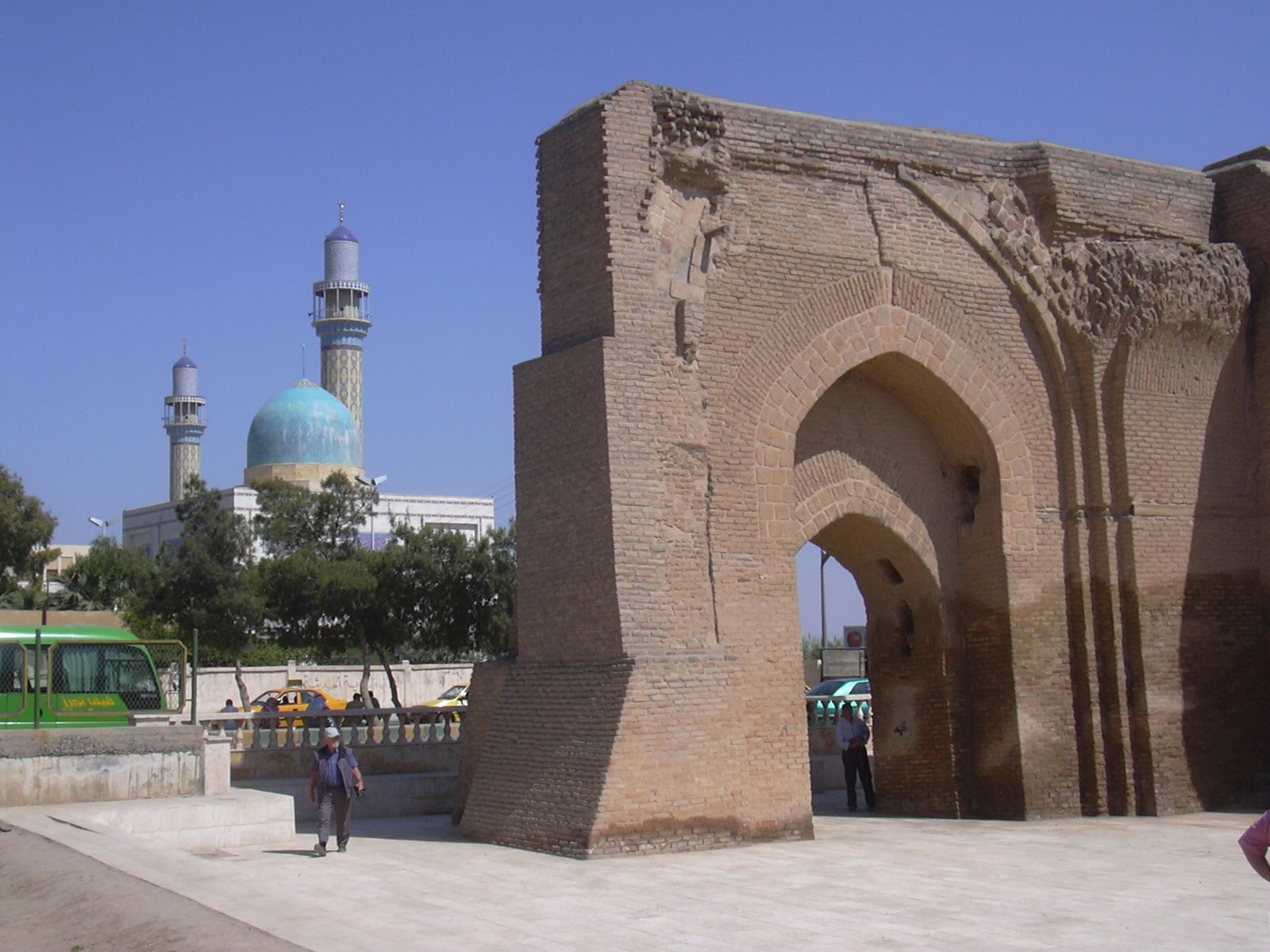
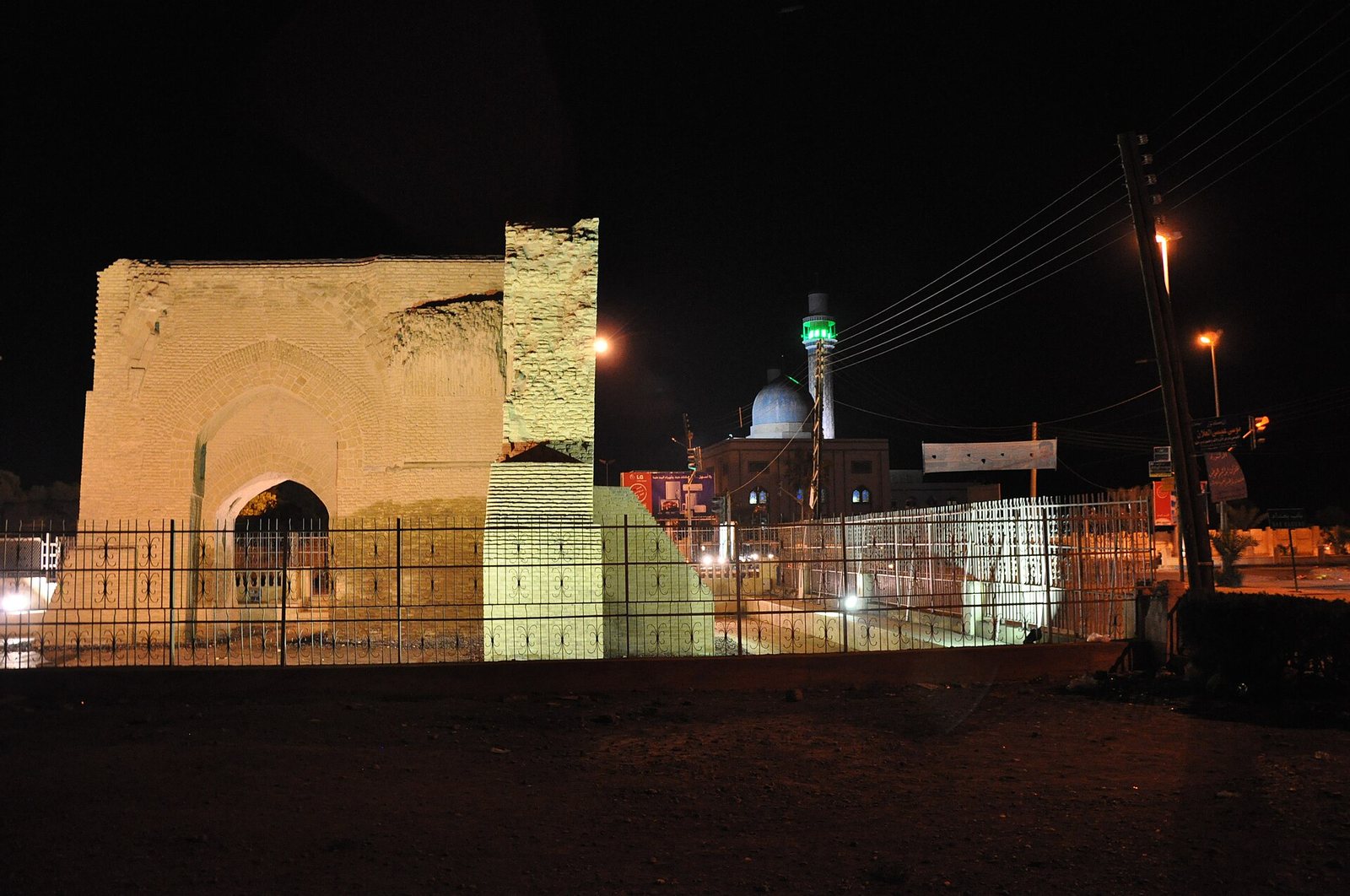
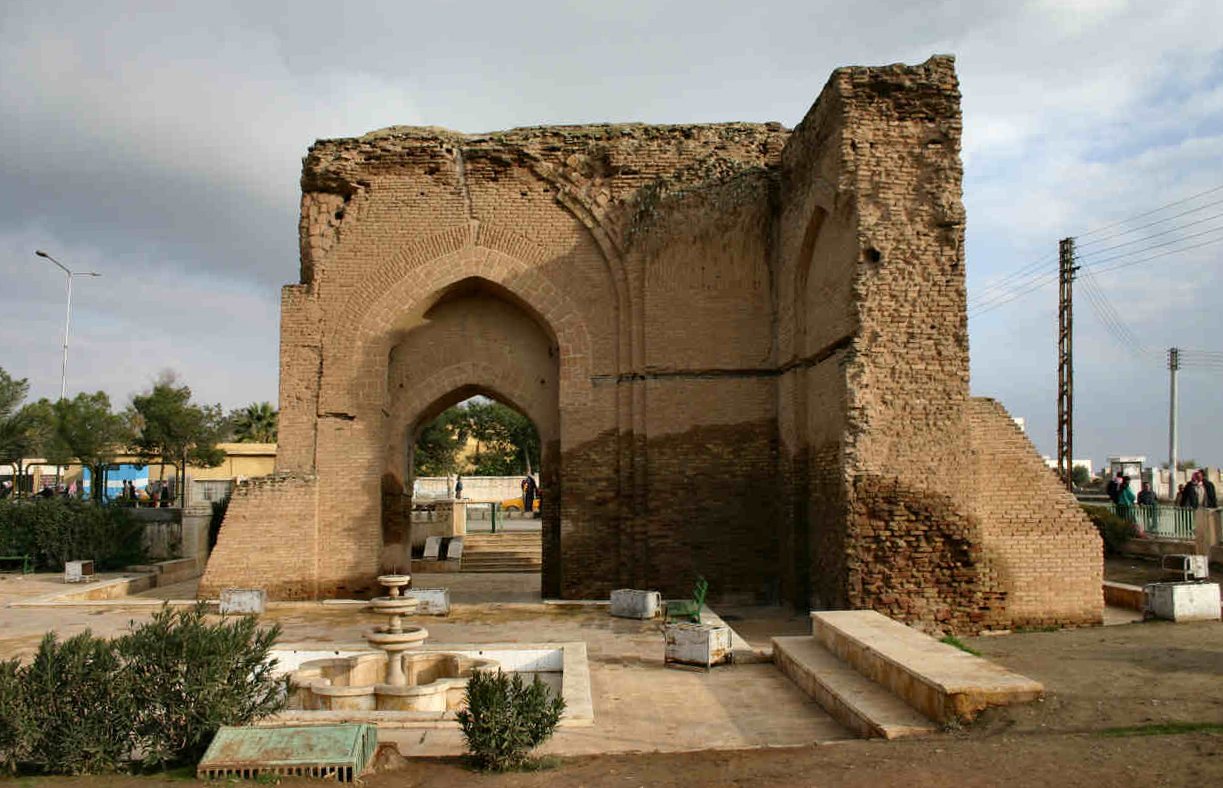
Photos: Ziegler175 — via Wikimedia Commons (CC BY-SA) · Herbert Frank from Wien (Vienna), AT — via Wikimedia Commons (CC BY) · Lazhar Neftien — via Wikimedia Commons (CC BY) · http://en.wikipedia.org/wiki/Image:ArRaqqahBadBaghdad.jpg — via Wikimedia Commons (CC BY-SA)
Syria Trails — An interactive geographic and heritage atlas of Syria: a map that walks down from the country to the district, landmarks with their story and era, curated trails and a passport for your visits.