Ancient City of Aleppo
مدينة حلب القديمة
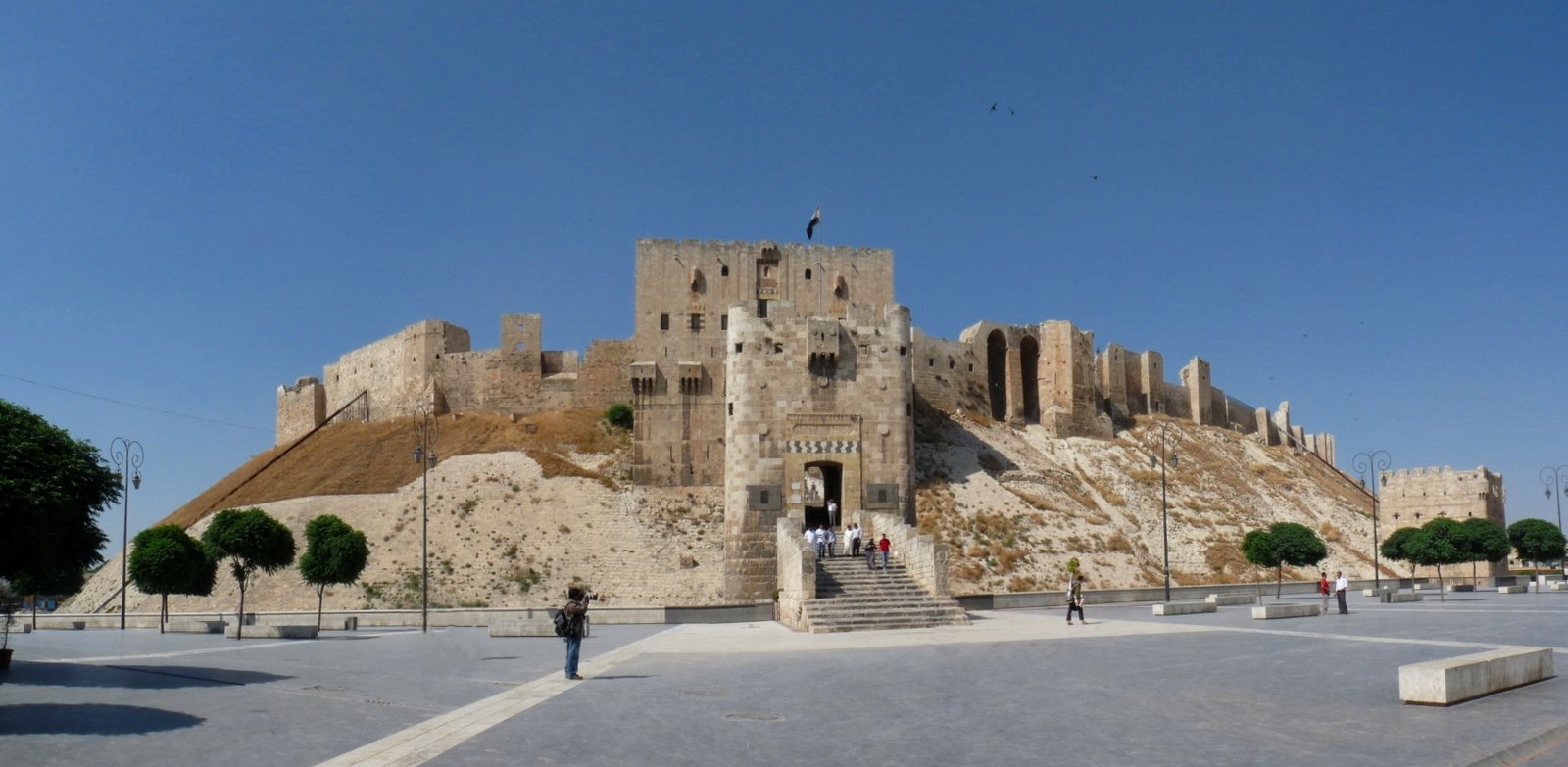
One of the oldest continuously inhabited cities, with its citadel, Great Mosque, covered souqs and khans; a UNESCO World Heritage site.
Old Aleppo is one of the world's oldest continuously inhabited cities, named in texts of the third millennium BC and ruled in turn by Amorites, Hittites and Arameans, Greeks, Romans and Byzantines, then successive Islamic dynasties up to the Ottomans. It was inscribed as a UNESCO World Heritage site in 1986.
The Citadel rises on its mound at the centre, surrounded by a dense web of lanes and walled quarters entered through historic gates such as Bab Antakya, Bab Qinnasrin and Bab al-Nasr. At its heart stand the Great Umayyad Mosque and a maze of covered souqs, among the longest traditional covered markets anywhere, punctuated by khans that served Silk Road caravans.
The city lies on the left bank of the Queiq River around a central mound crowned by the citadel, ringed by other hills. The walled city was enclosed by a wall about five kilometres around, last rebuilt by the Mamluks, with nine gates and a deep ditch. Constant invasions and political instability led to self-sufficient, cell-like quarters outside the walls, usually drawn along religious and ethnic lines, among them Al-Jdeideh, built by Christians in the early 15th century north of the city after the Mongol withdrawal. The old city and its quarters cover roughly 350 hectares.
Ayyubid and Mamluk madrasas, hospitals, baths and courtyard houses in quarters like al-Jdeideh make it an open-air museum of stone architecture.
Note: photos may not reflect the site's current condition.
For the visitor
Location: 36.1833, 37.1500 · Open on the map
Photos
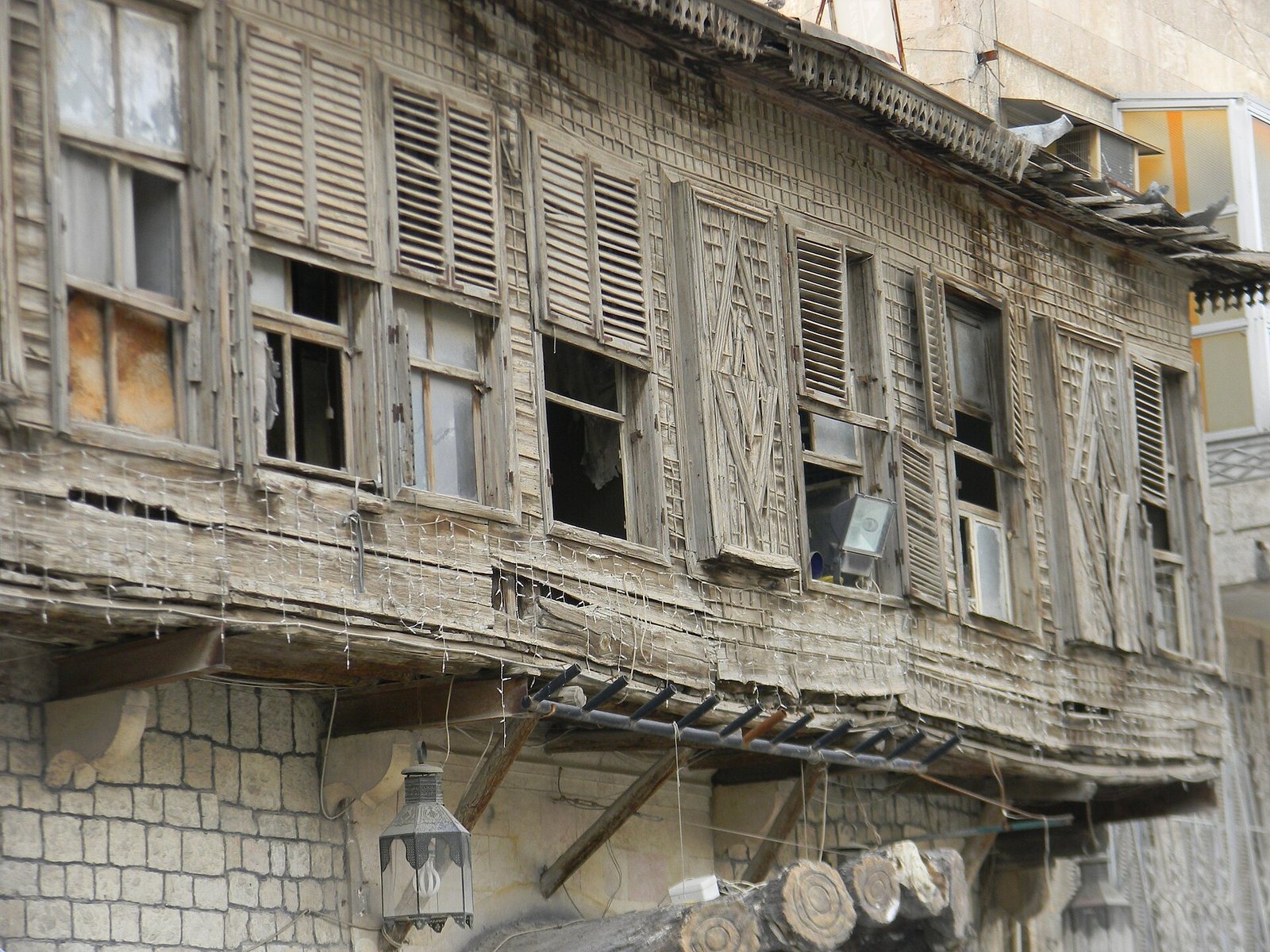
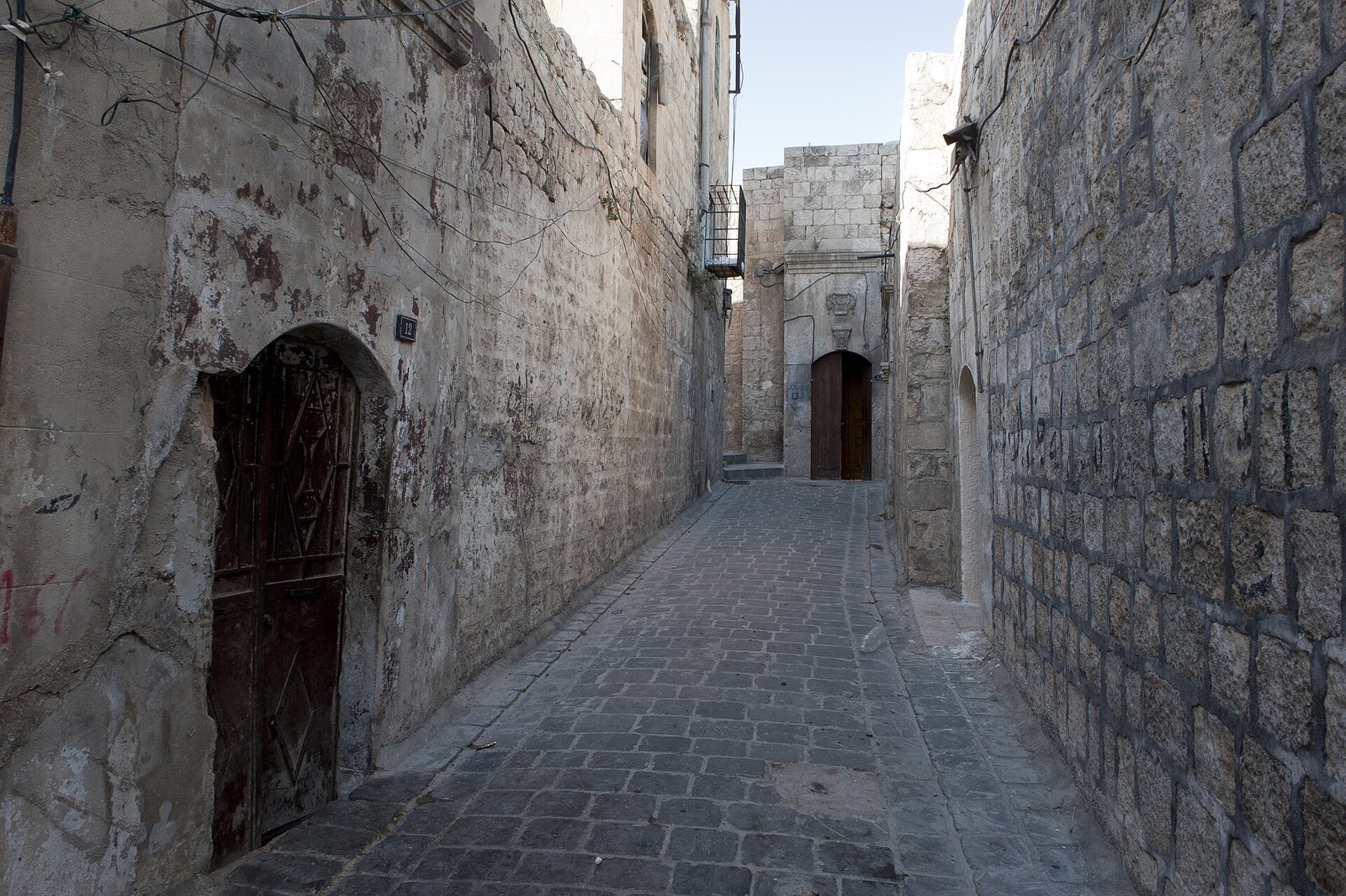
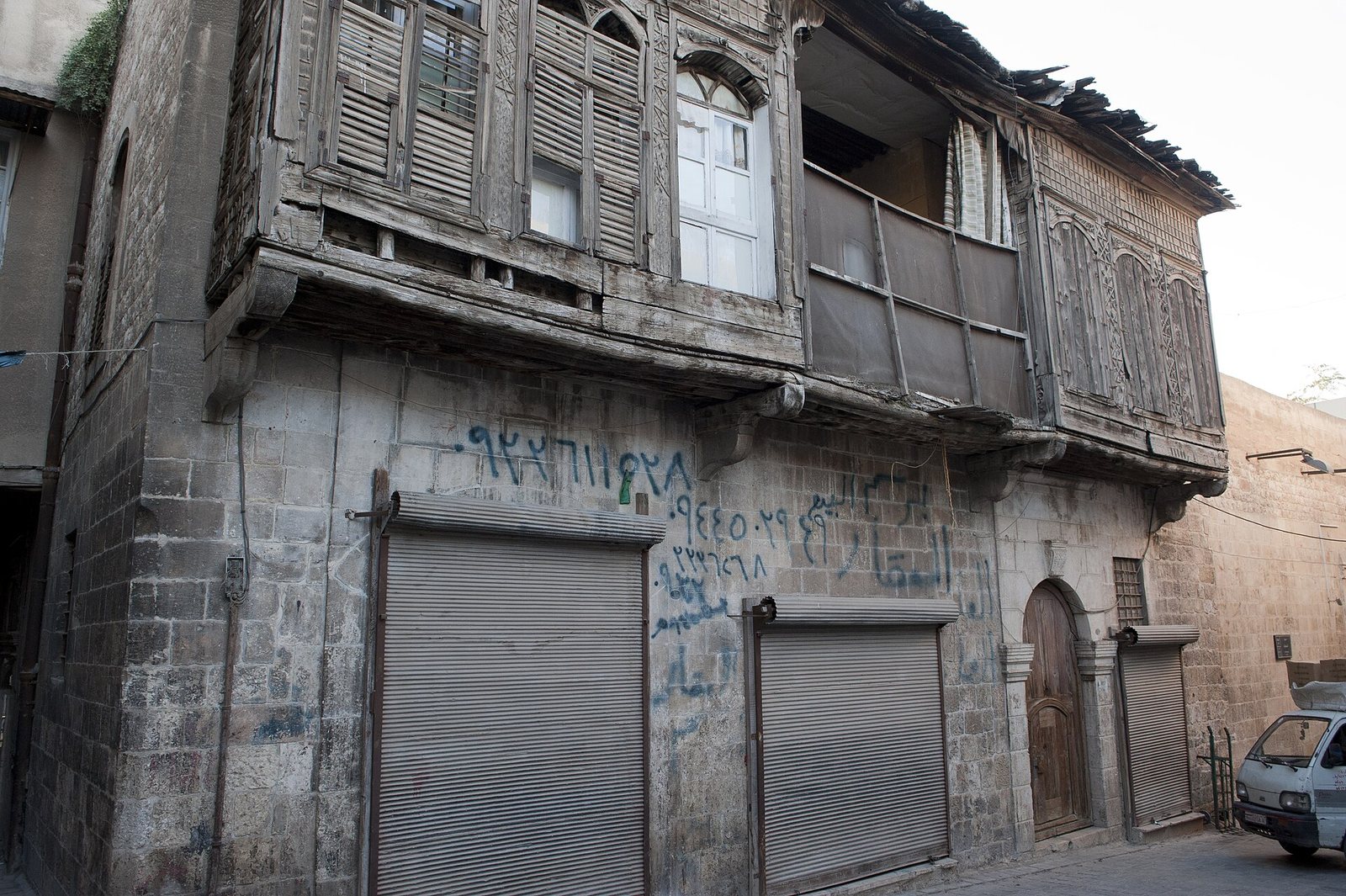
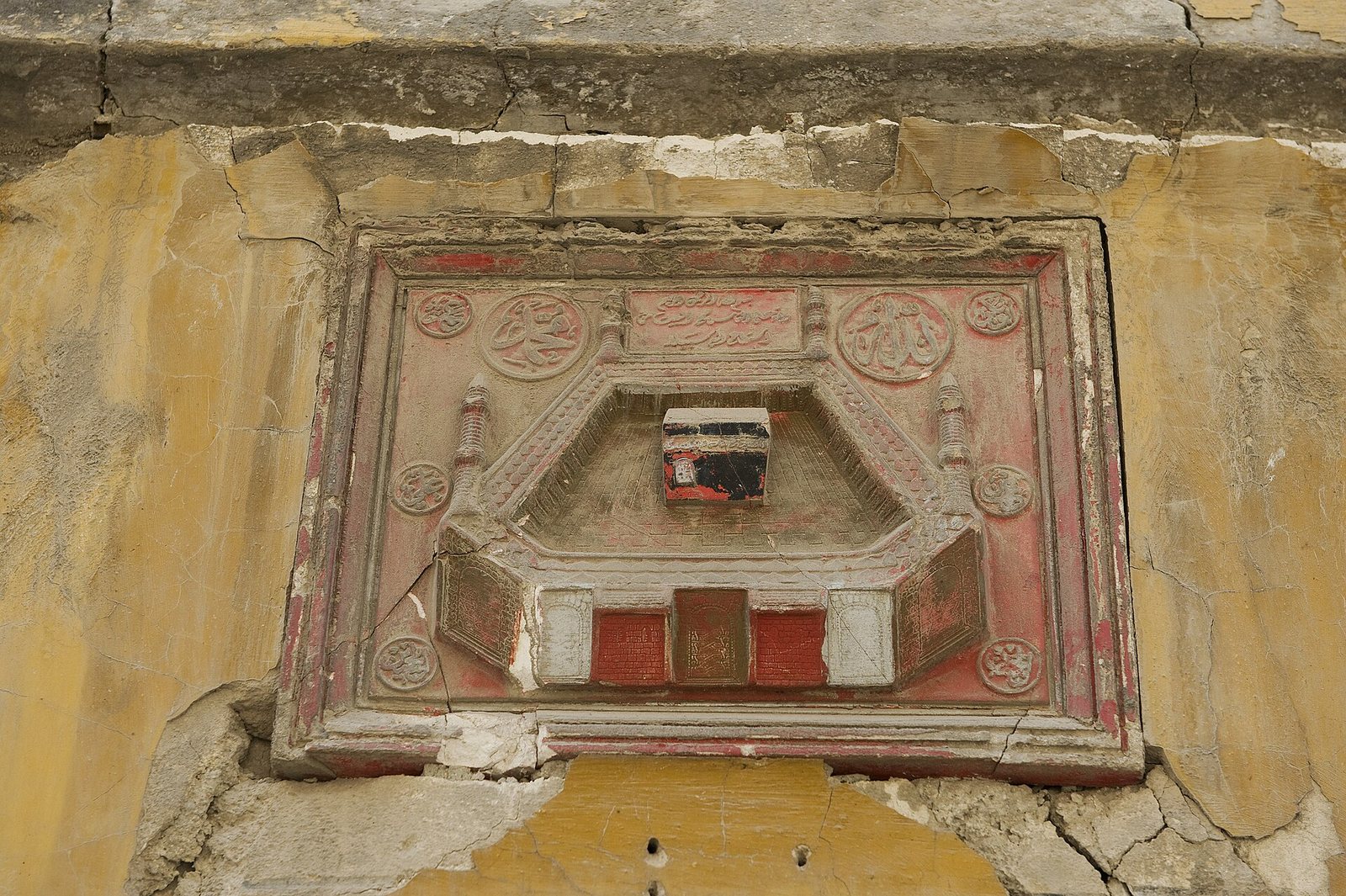
Photos: Memorino — via Wikimedia Commons (CC BY-SA) · Beshr Abdulhadi from Gaziantep, Turkey — via Wikimedia Commons (CC BY) · Dosseman — via Wikimedia Commons (CC BY-SA)
Syria Trails — An interactive geographic and heritage atlas of Syria: a map that walks down from the country to the district, landmarks with their story and era, curated trails and a passport for your visits.