Citadel of Aleppo
قلعة حلب

An Ayyubid-era fortified palace on a historic mound at the heart of Aleppo's Old City, in religious use since the Bronze Age long before it became one of the Levant's great citadels.
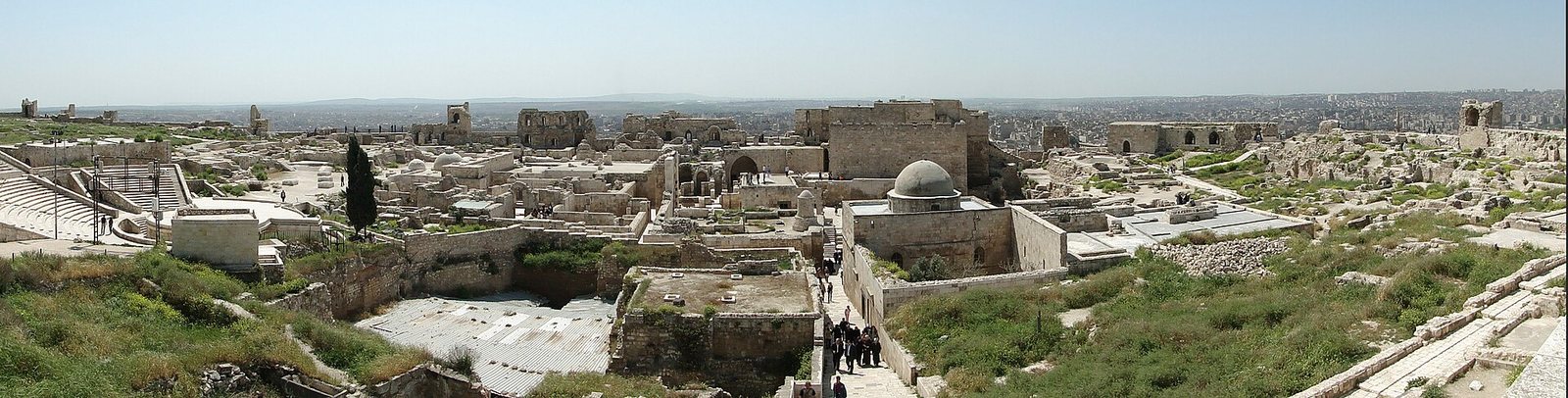
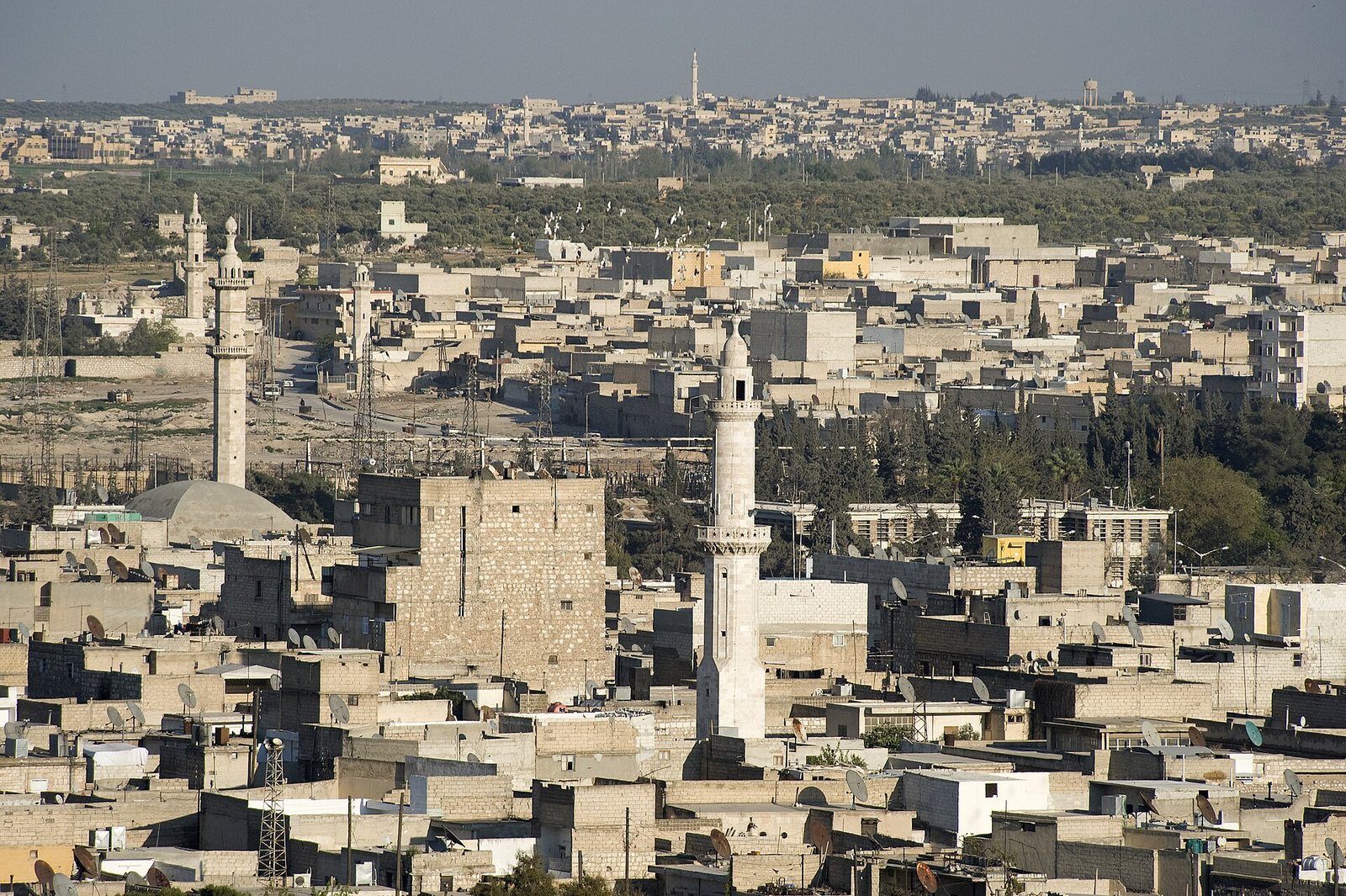
The Citadel of Aleppo is a fortified palace complex on a large mound at the heart of Aleppo's Old City. The mound has been in use since at least the third millennium BCE, though most of the structure visible today dates from a major Ayyubid rebuilding in the early 13th century.
In 1996, a joint German-Syrian archaeological team uncovered the remains of a temple on the mound, likely dating to the Bronze Age and dedicated to the storm god Hadad, along with Iron Age inscriptions from around the 10th century BCE — evidence that the site served a religious function for millennia before it became a military stronghold.
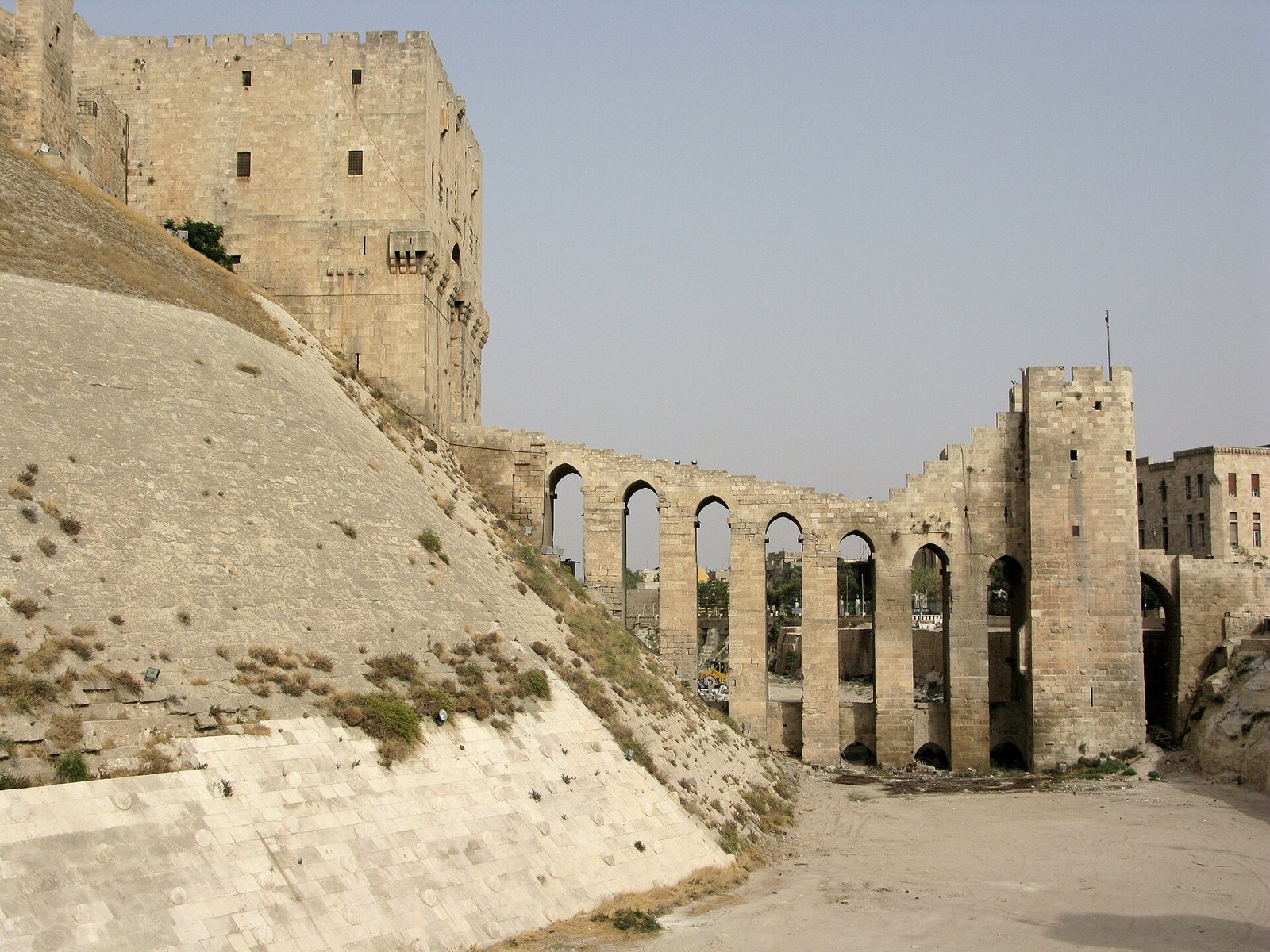
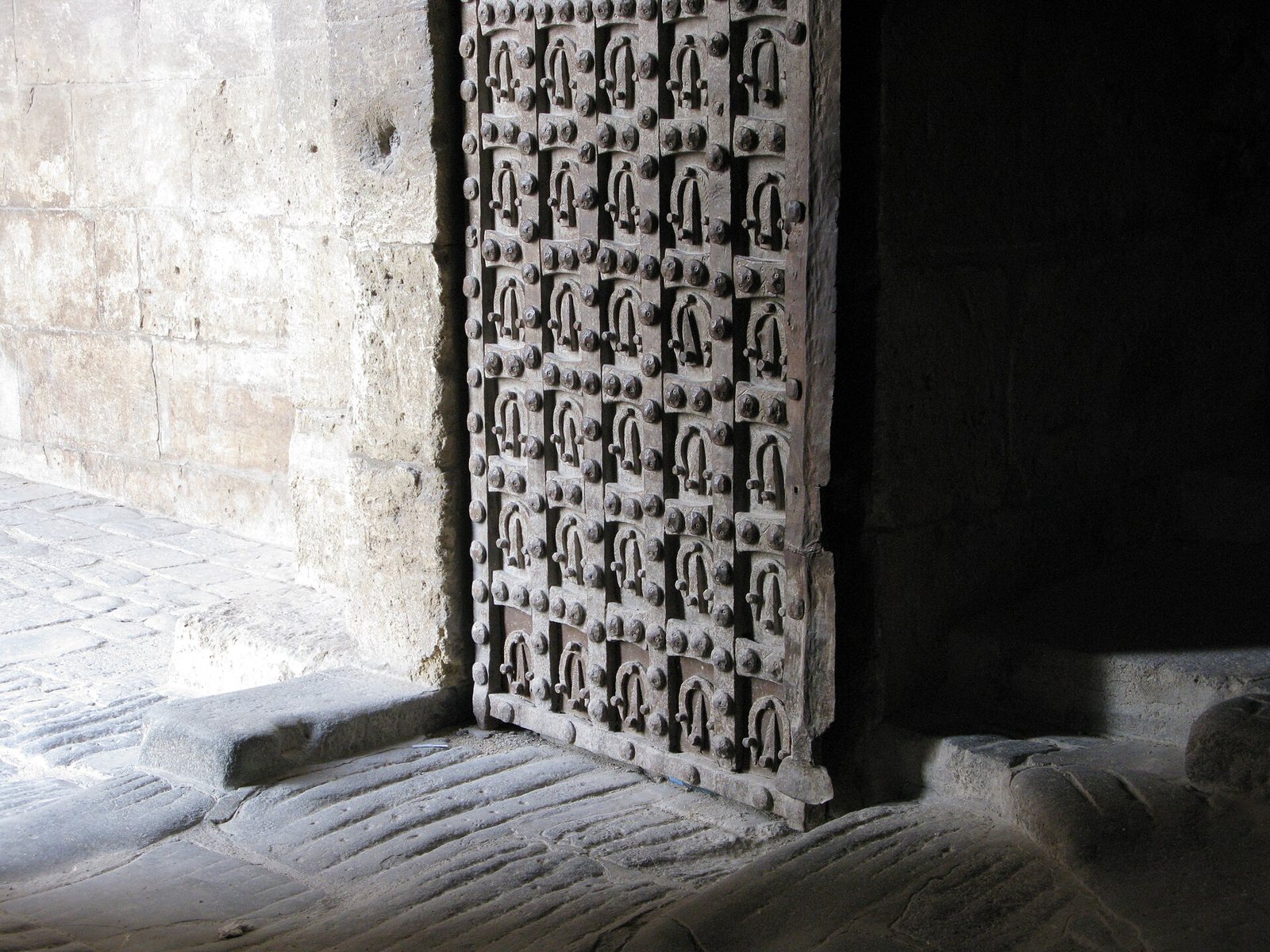
Between roughly 1209 and 1213, al-Malik al-Zahir Ghazi, a son of Saladin, rebuilt the citadel almost entirely, adding the sloped stone glacis around the mound, the raised stone entrance bridge, a fortified gate complex, and a palace, bathhouse, and mosque within the walls. These fortifications were damaged during the Mongol invasion of 1260 and again during Timur's siege in 1400, and were repaired both times under Mamluk rule. The Ottoman period brought further changes, including the use of parts of the citadel as a military barracks.
Aleppo's Old City, including the citadel, was inscribed as a UNESCO World Heritage Site in 1986 and added to the List of World Heritage in Danger in 2013. The citadel — particularly its historic gate complex — suffered damage during the recent conflict, and documentation and restoration work has followed.
Today the citadel houses a small museum, an Ayyubid throne hall with a Mamluk-era decorated ceiling, and an amphitheatre later used for cultural events.
Among the oldest discoveries beneath the citadel is the temple of the storm god: texts from Mari and Ebla name the Storm God of Aleppo as one of the great cult centres of the ancient Near East, and the Syrian-German mission revealed temple walls and basalt reliefs of the storm god, composite beings, mythical animals and an Iron Age king. The temple was used and rebuilt over a long span from the Bronze Age into the Iron Age, and its best-known reliefs date to the early first millennium BC, when Aleppo belonged to the Syro-Hittite kingdoms. The Throne Hall rises above the entrance complex and was used for receiving delegations and state ceremonies.
Through the ages
Bronze Age: A temple likely dating to the Bronze Age, dedicated to the storm god Hadad, was found beneath the citadel
Ayyubid: Al-Malik al-Zahir Ghazi rebuilt most of the present citadel between 1209 and 1213 CE
Mamluk: The citadel was repaired under Mamluk rule after damage from the Mongol invasion and Timur's siege
For the visitor
Location: 36.1997, 37.1636 · Open on the map
Photos
Photos: Bernard Gagnon — via Wikimedia Commons (CC BY-SA) · Dosseman — via Wikimedia Commons (CC BY-SA) · Vyacheslav Argenberg — via Wikimedia Commons (CC BY)
Syria Trails — An interactive geographic and heritage atlas of Syria: a map that walks down from the country to the district, landmarks with their story and era, curated trails and a passport for your visits.