Al-Zahiriyya Madrasa (Baybars Mausoleum)
المدرسة الظاهرية
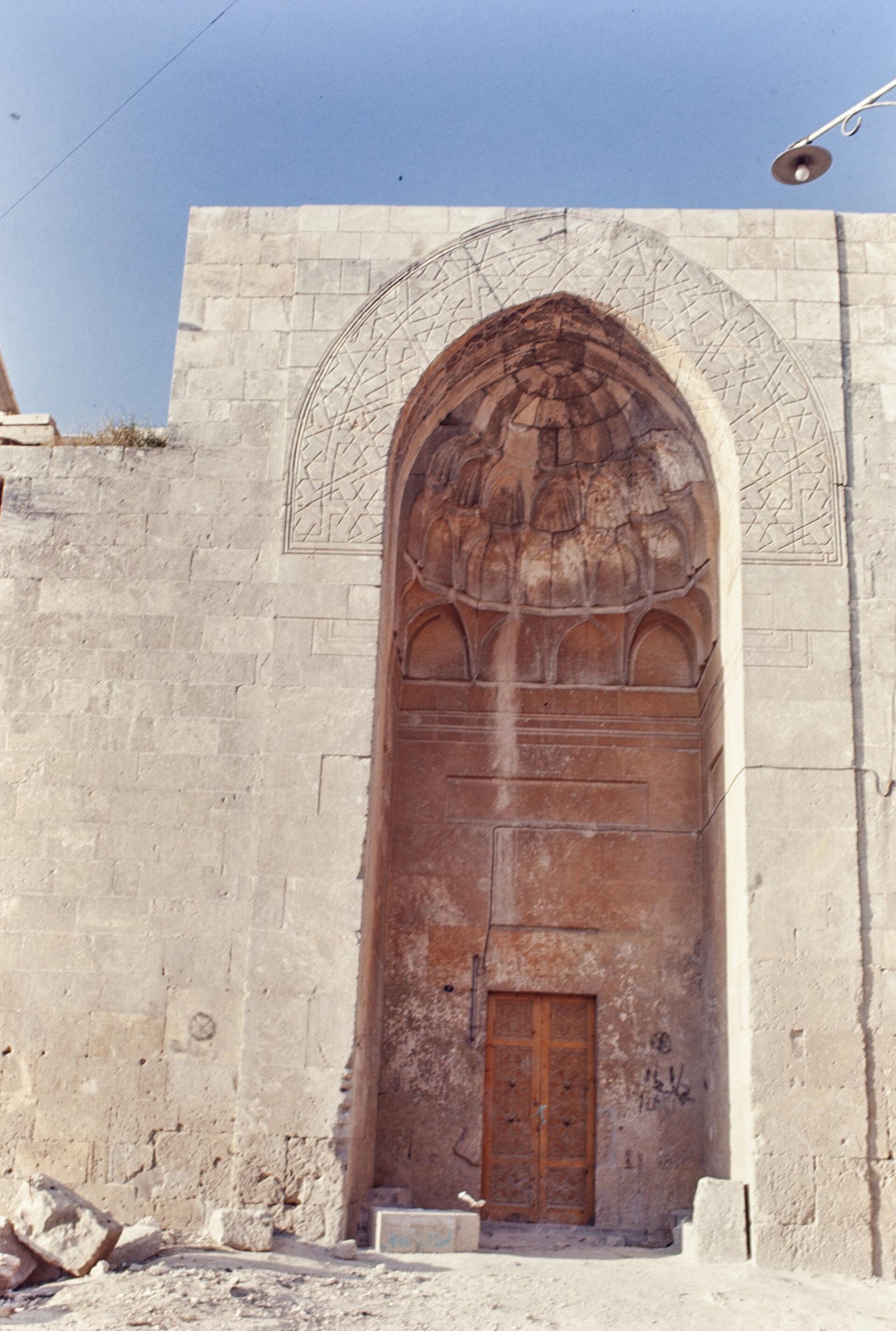
A 13th-century Mamluk madrasa and mausoleum of Sultan al-Zahir Baybars, now home to one of the most important collections of ancient Arabic manuscripts.
Al-Zahiriyya Madrasa was built near the Umayyad Mosque in the late 13th century to house the mausoleum of Mamluk Sultan al-Zahir Baybars, one of the most prominent Mamluk rulers, known for resisting the Mongol invasion and the Crusader campaigns in the Levant and Egypt.
The madrasa was established in 1277 and named after the Mamluk sultan Baybars al-Zahir (r. 1260–1277), who is buried there. Baybars was a political and military leader of major importance: he helped establish the new mamluk-based regime in Cairo that ruled Egypt and Syria for centuries (1250–1517), played a central role in repelling the Mongols at Ain Jalut in 1260, and campaigned effectively against the remaining Crusader states, taking Antioch and Krak des Chevaliers and paving the way for the end of the Crusader presence. He died unexpectedly in July 1277 in his palace, al-Qasr al-Ablaq, in Damascus after drinking a poisoned cup intended for someone else.
The mausoleum is distinguished by its lavish interior decoration, with golden mosaics covering its upper walls in fine floral and geometric patterns in the classic Mamluk style, and a decorated dome rising over the burial chamber, making it one of the finest examples of Mamluk funerary architecture preserved in Damascus.
The building later came to house "Dar al-Kutub al-Zahiriyya," one of the oldest and most important collections of Arabic and Islamic manuscripts in the world, holding thousands of rare manuscripts in fields such as jurisprudence, medicine, astronomy, and literature, making it a key destination for researchers and orientalists interested in Arabic and Islamic written heritage.
For the visitor
Location: 33.5122, 36.3062 · Open on the map
Photos: Maison méditerranéenne des Sciences de l'homme / National Center for Scientific Research / Aix-Marseille University — via Wikimedia Commons (CC BY)
Syria Trails — An interactive geographic and heritage atlas of Syria: a map that walks down from the country to the district, landmarks with their story and era, curated trails and a passport for your visits.